Deborah's 100-Year History Timeline
In its first 100 years of unparalleled care to residents of all twenty-one New Jersey counties, Deborah has healed 2.3 million patients from every state in the US and 87 countries throughout the world.
Deborah® Timeline
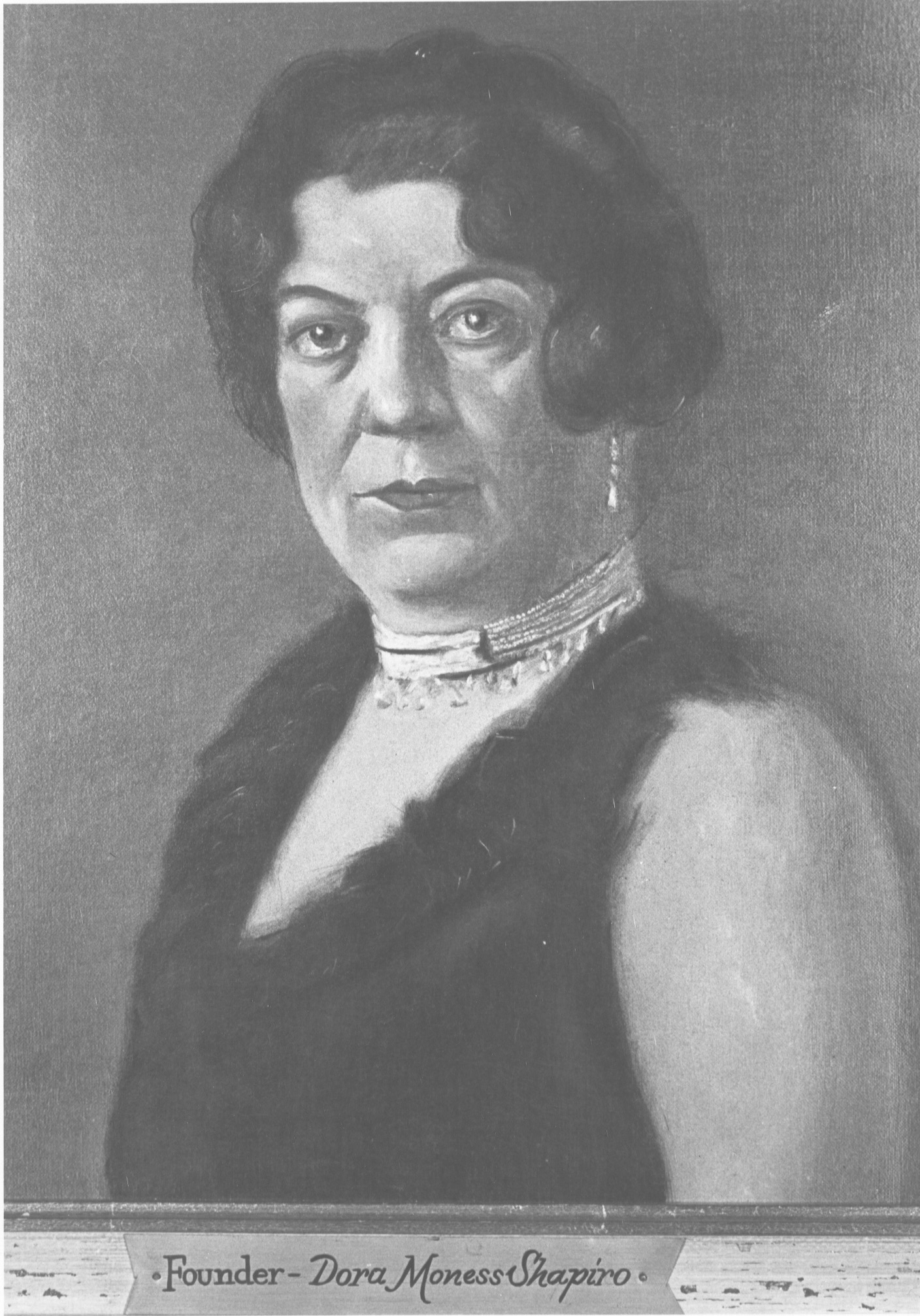
Founder Dora Moness Shapiro first established the hospital as a tuberculosis sanatorium. Back then, the only relief for tuberculosis was rest and fresh air. Determined to make a difference, Shapiro searched for a location outside of New York City that could accommodate the sick and impoverished. Nestled in the heart of Pine Barrens, Shapiro took ownership of an airy cottage well within traveling distance and soon had her first patients.
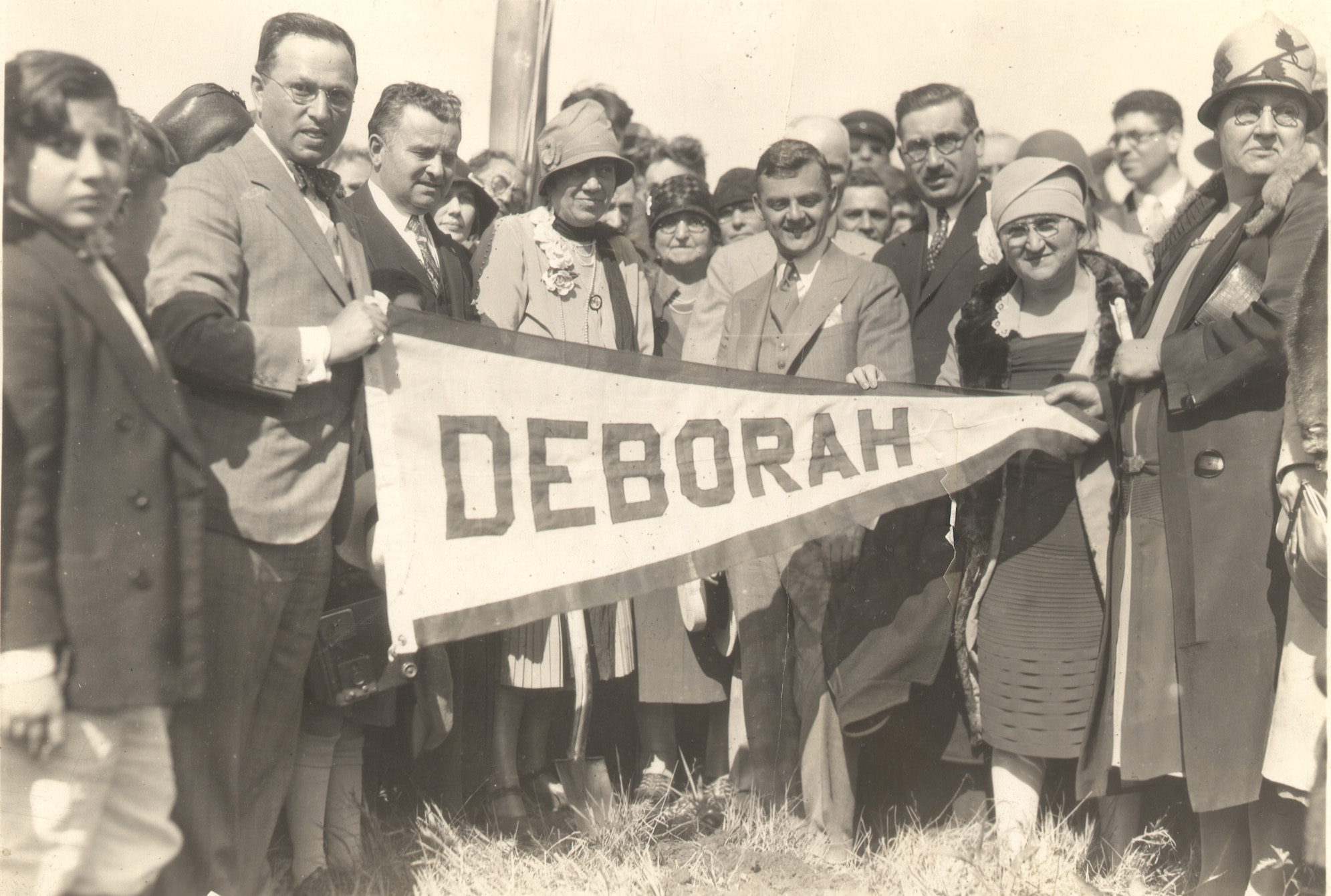
Hundreds gathered to incorporate the Deborah Jewish Consumptive Relief Society.
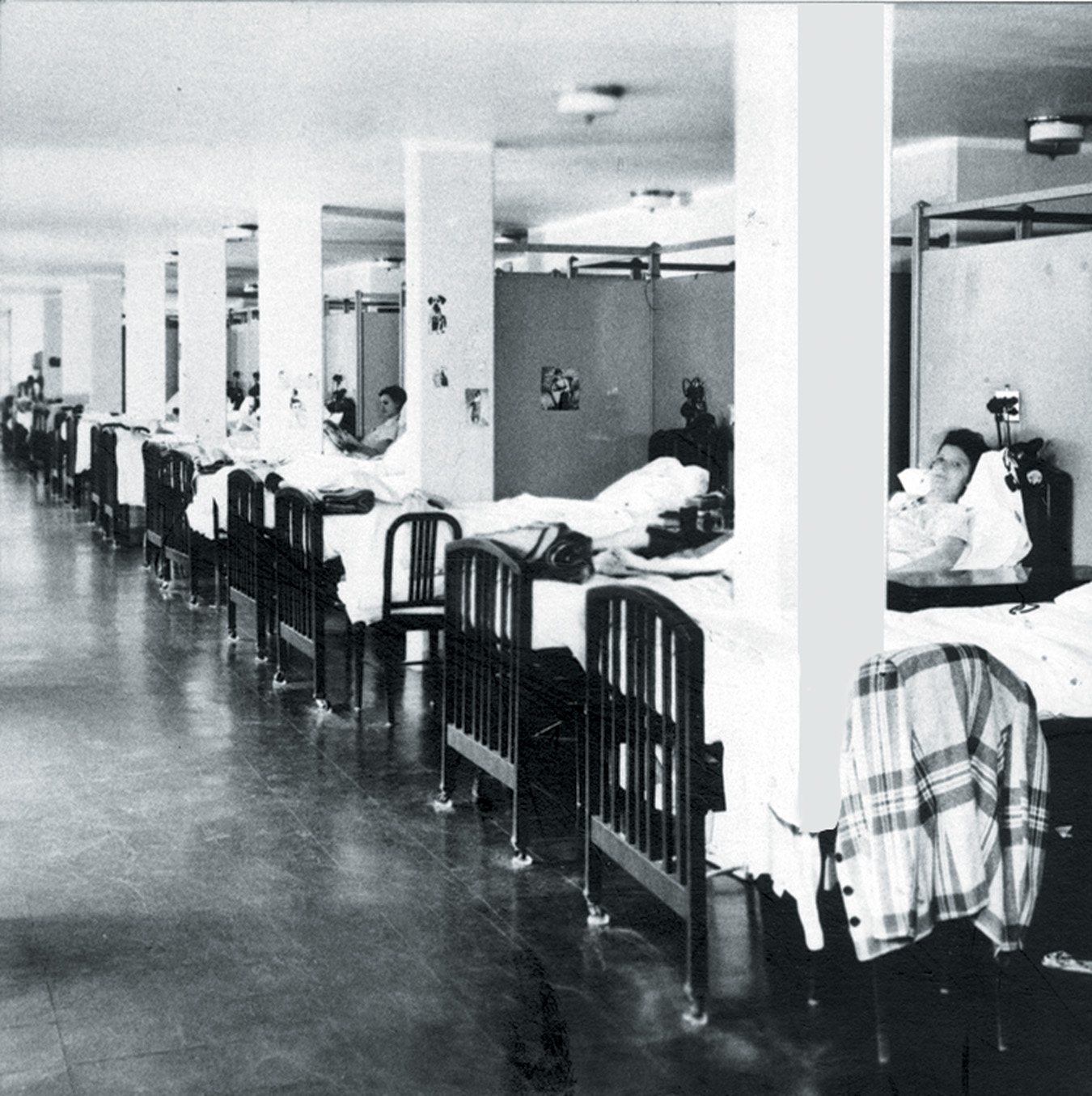
Housed in the newly-built Main Building, the Women’s Ward was the lap of luxury compared to the open-air “sleeping porches” and old cottages.
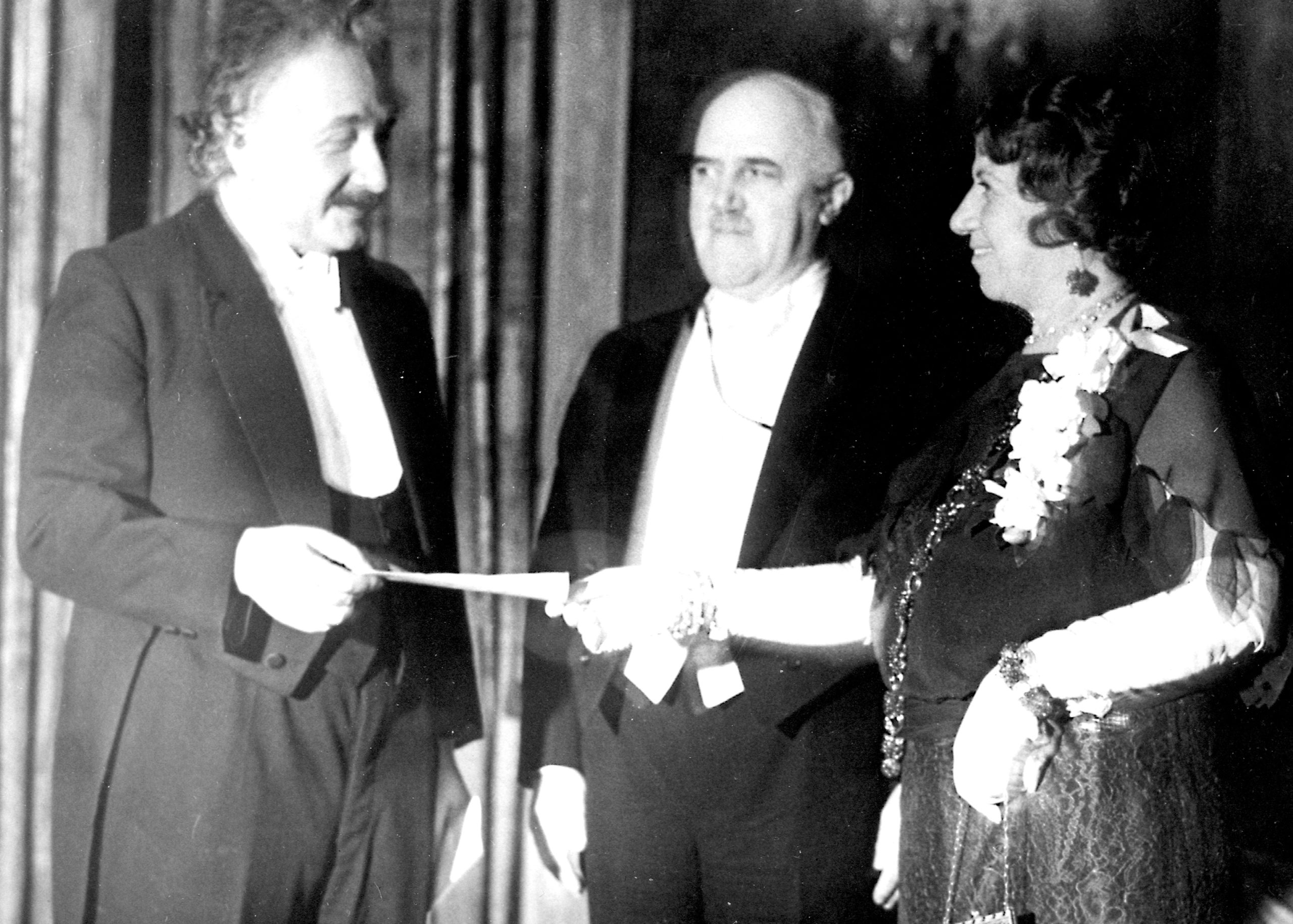
Deborah has benefited from the support and friendship of many luminaries, including German-born physicist, Albert Einstein.
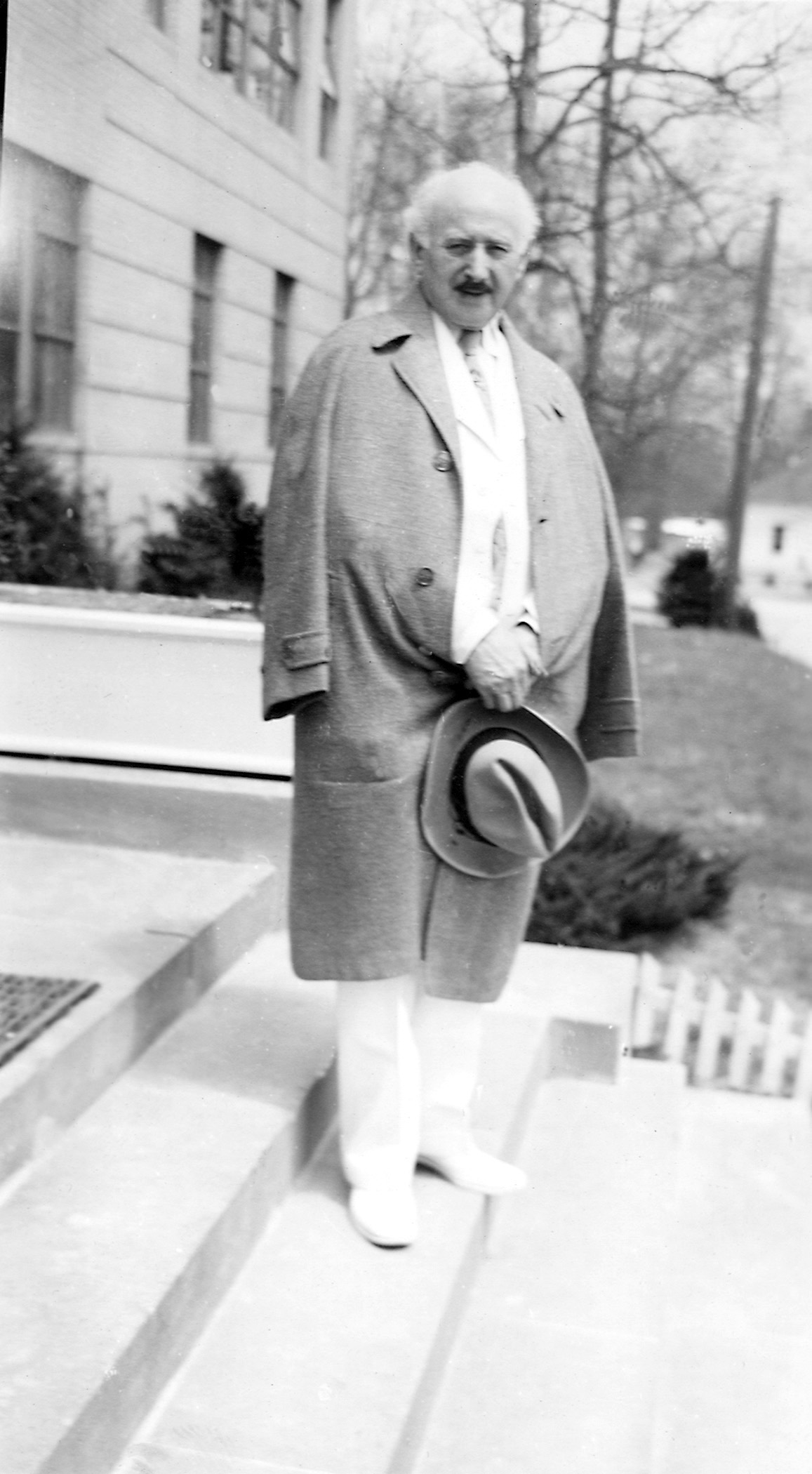
Dr. Henry Barenblatt, a respected tuberculosis specialist, gave up his practice in Philadelphia, PA to become Deborah’s first resident physician.
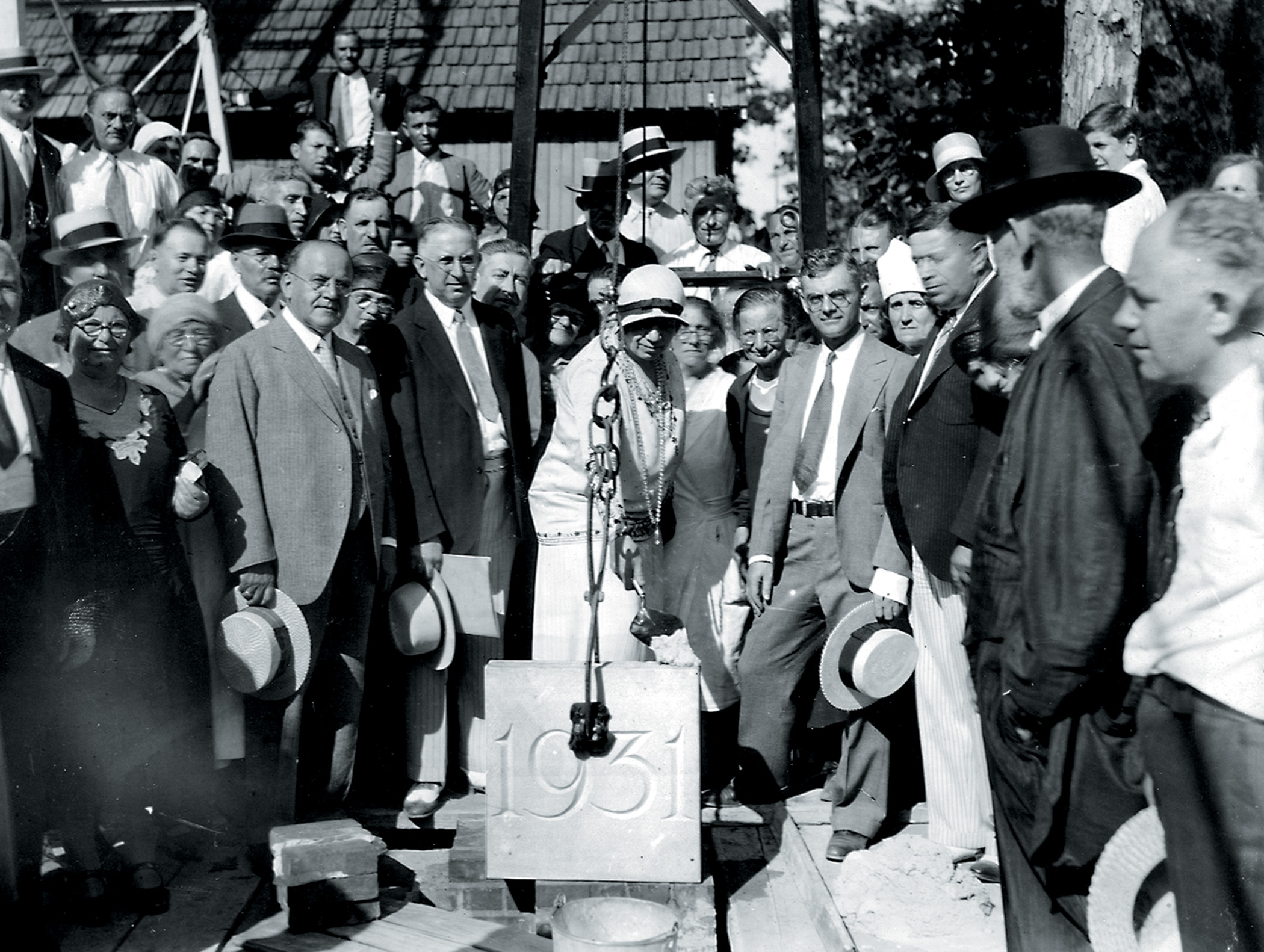
In 1931, Deborah founder, Dora Moness Shapiro laid the cornerstone for a new Main Building, which would replace the wooden cottages of the original campus.
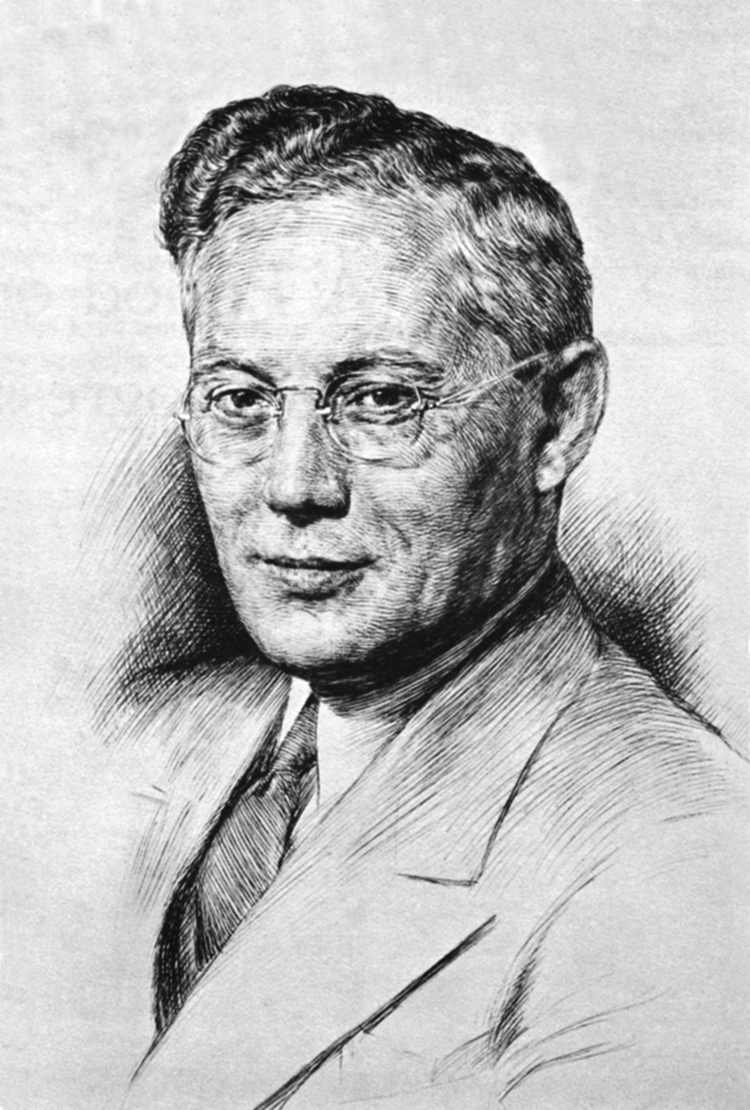
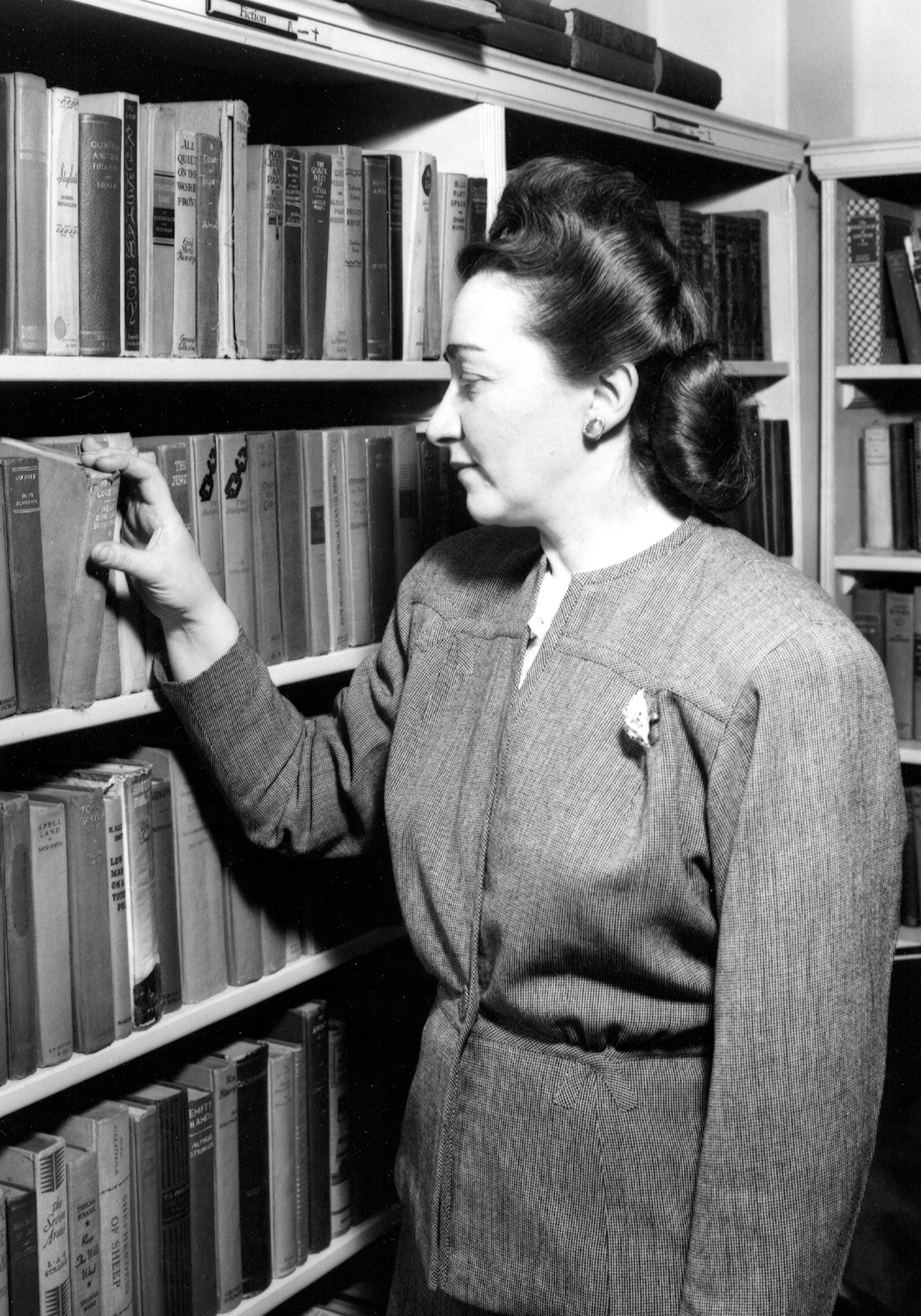
Clara Falk Franks came to Deborah as a patient in 1934, and remained after she was cured to become a legend in the hospital’s history. For nearly 50 years, Franks raised funds and awareness for Deborah by organizing legions of volunteers into becoming fundraising chapters, and winning support from countless others.
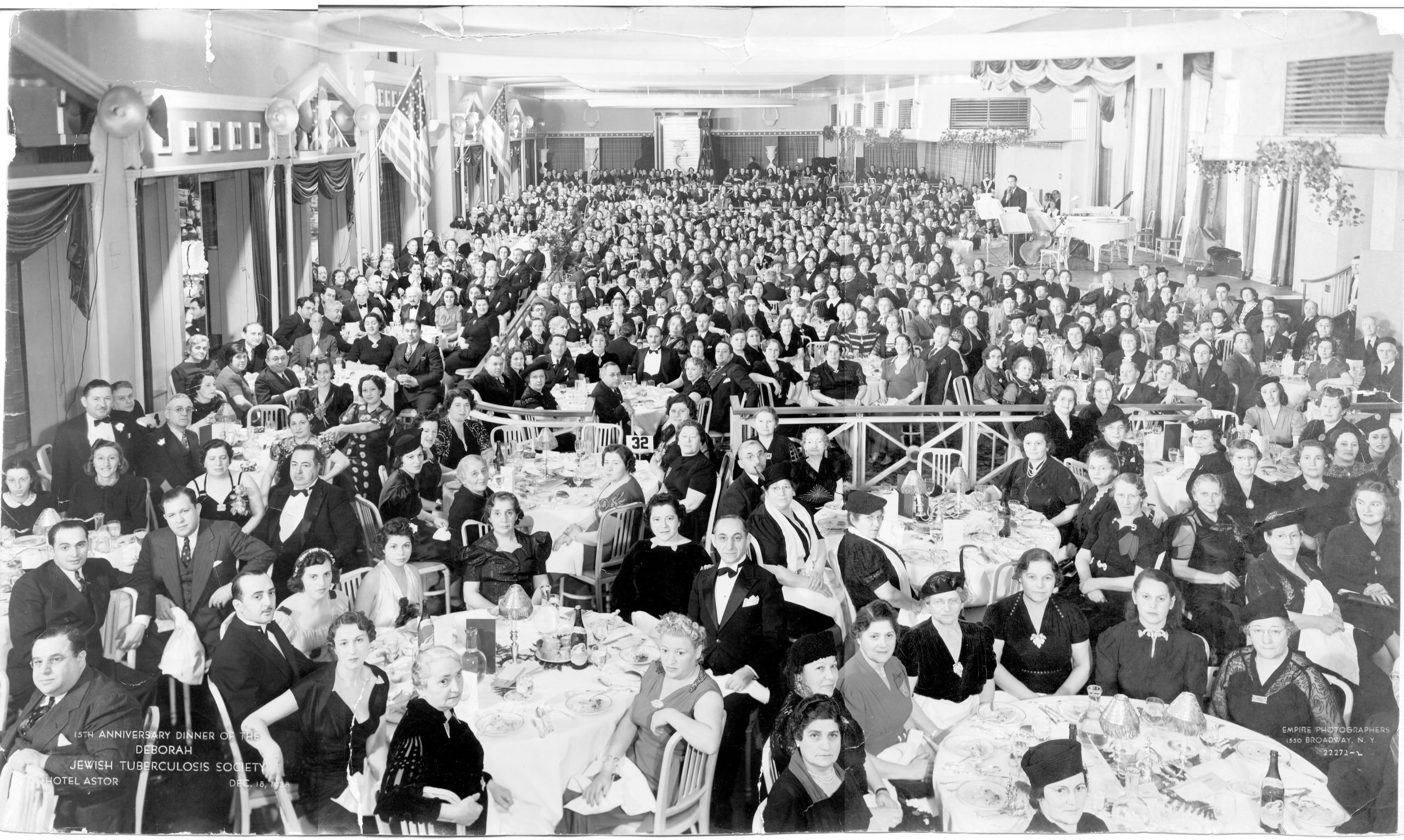
Fundraising function to aid Deborah’s medical mission inspires a huge dinner in New York City.
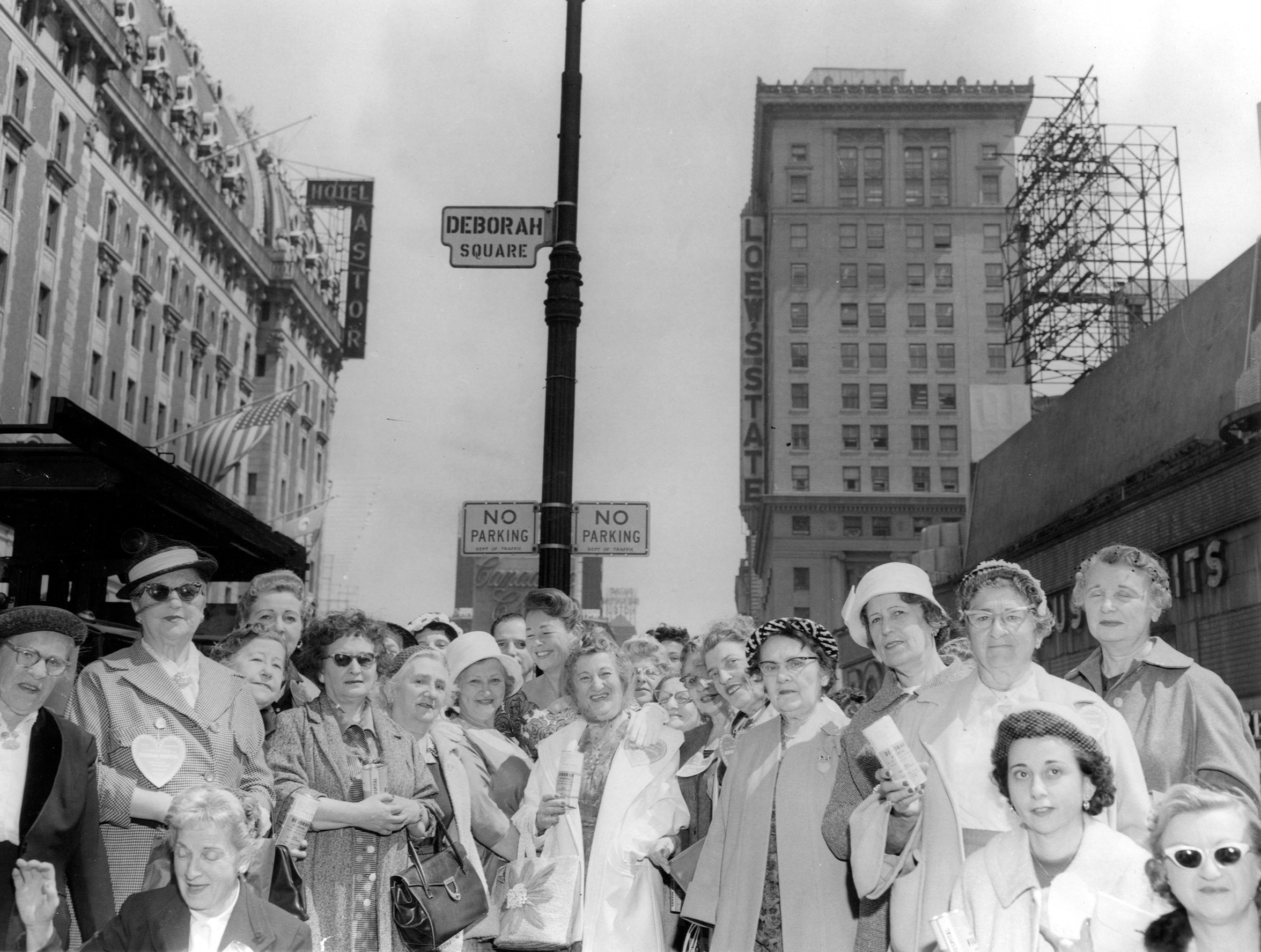
Volunteers continued to answer the call to raise funds as Deborah thrived.
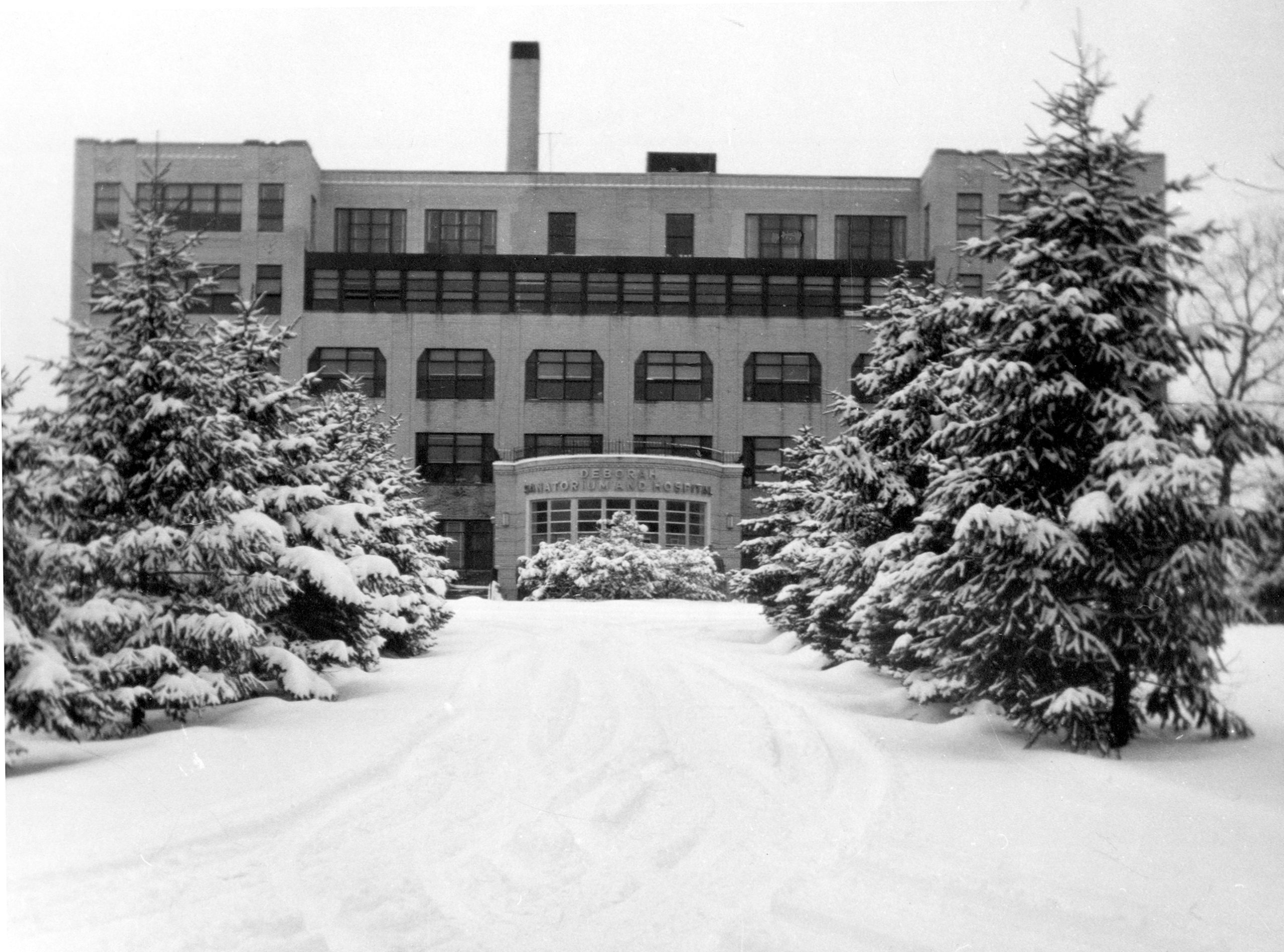
The new Main Building construction began in the 1930s and was fully completed and occupied by 1945. Throughout the 1940s, Deborah’s facilities and services continued to grow to meet the ever changing needs of patients.
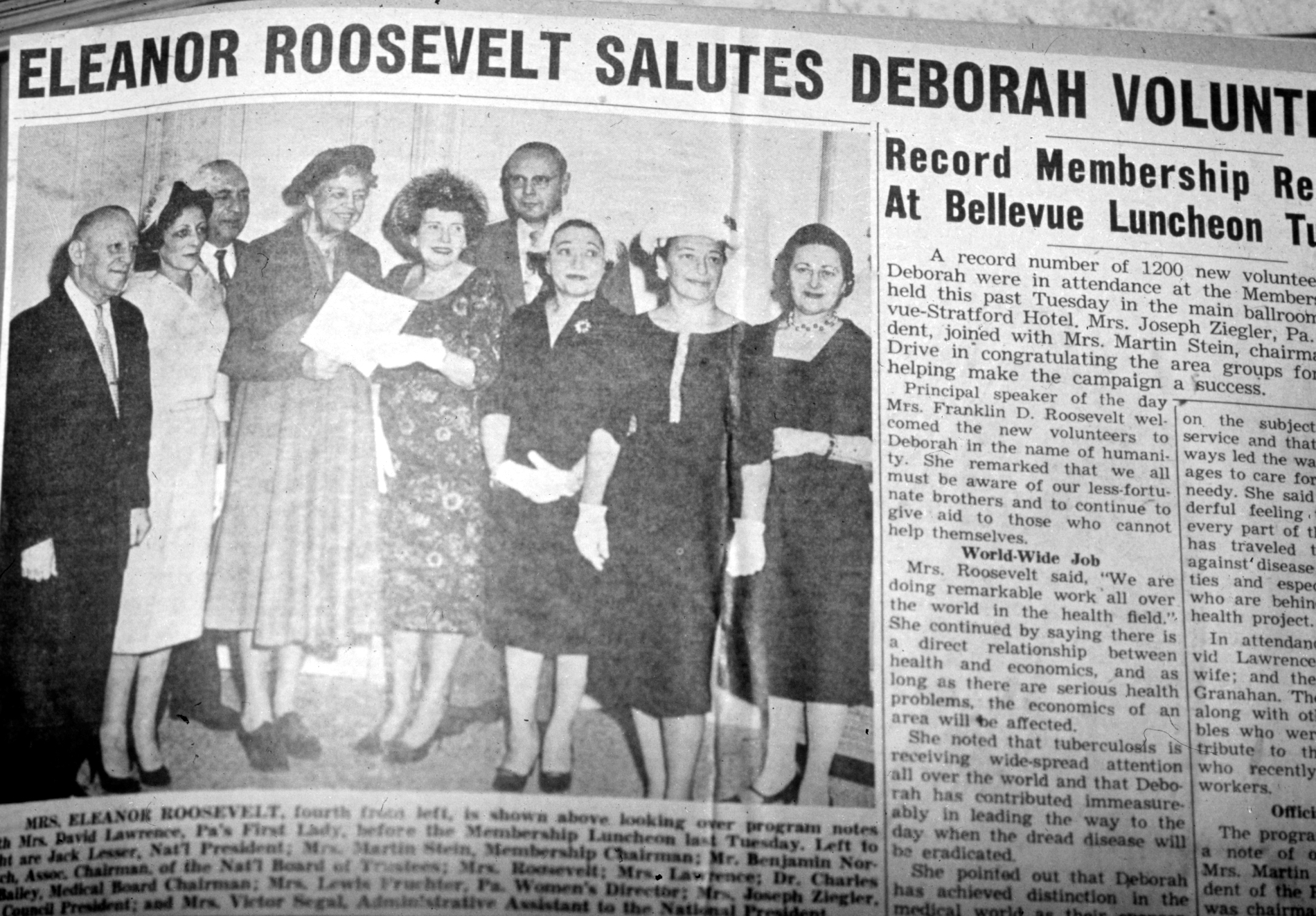
Deborah and its mission continued to receive recognition and support of the famous and influential people of the day, such as First Lady Eleanor Roosevelt.
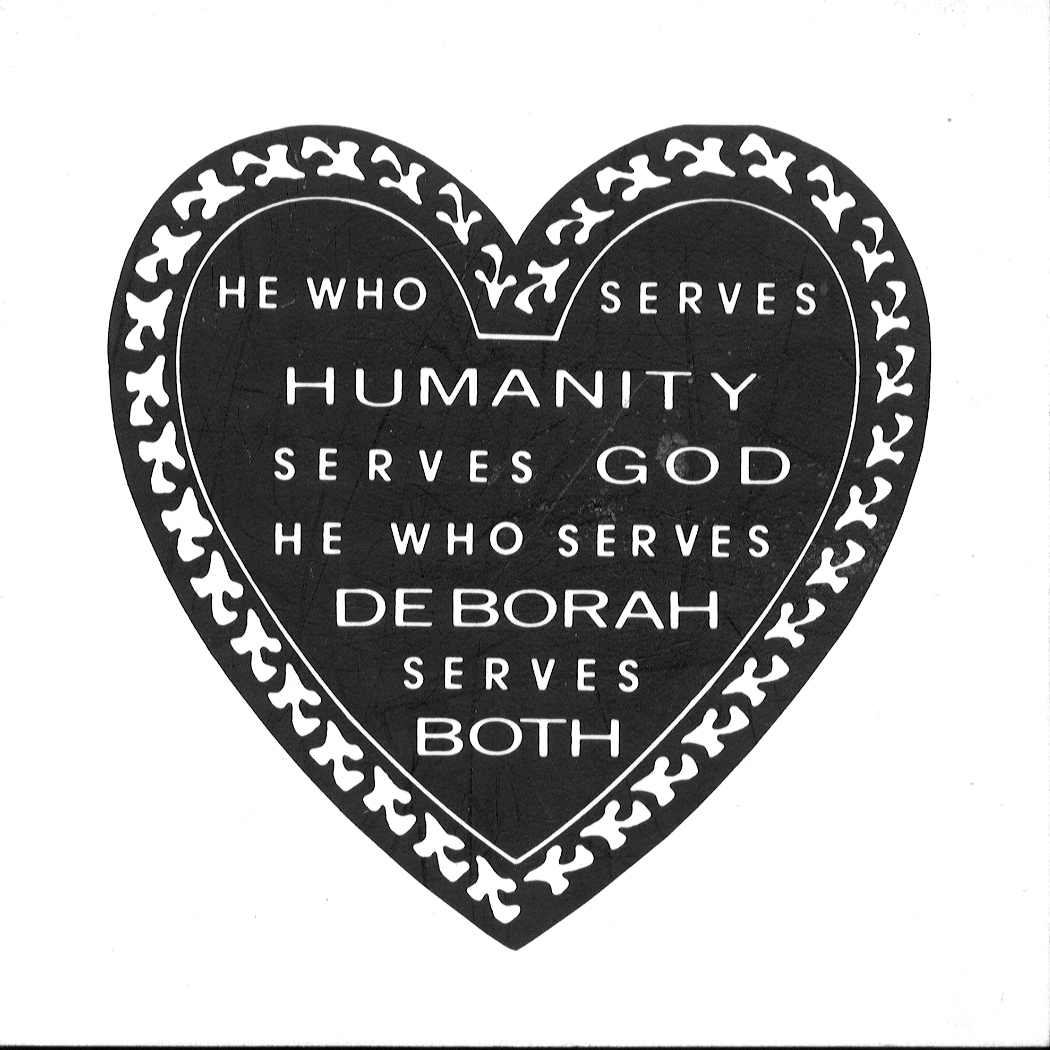
He who serves humanity serves God, he who serves Deborah serves both. This phrase became the credo for the volunteer chapters of the day.
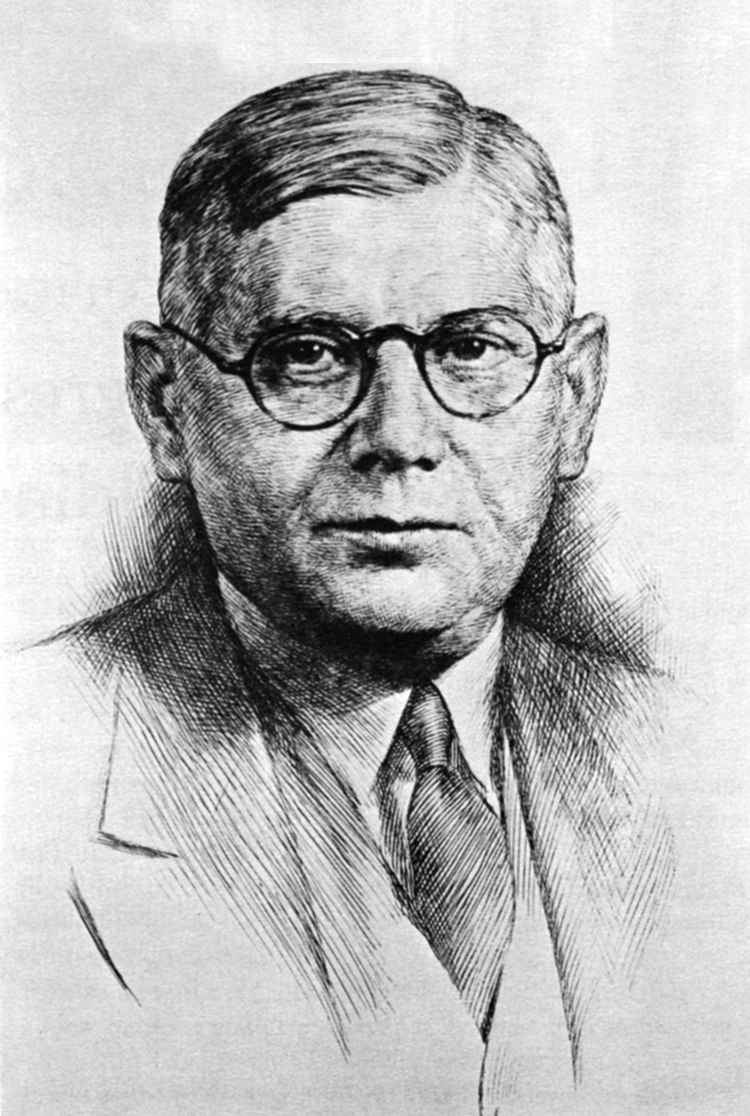
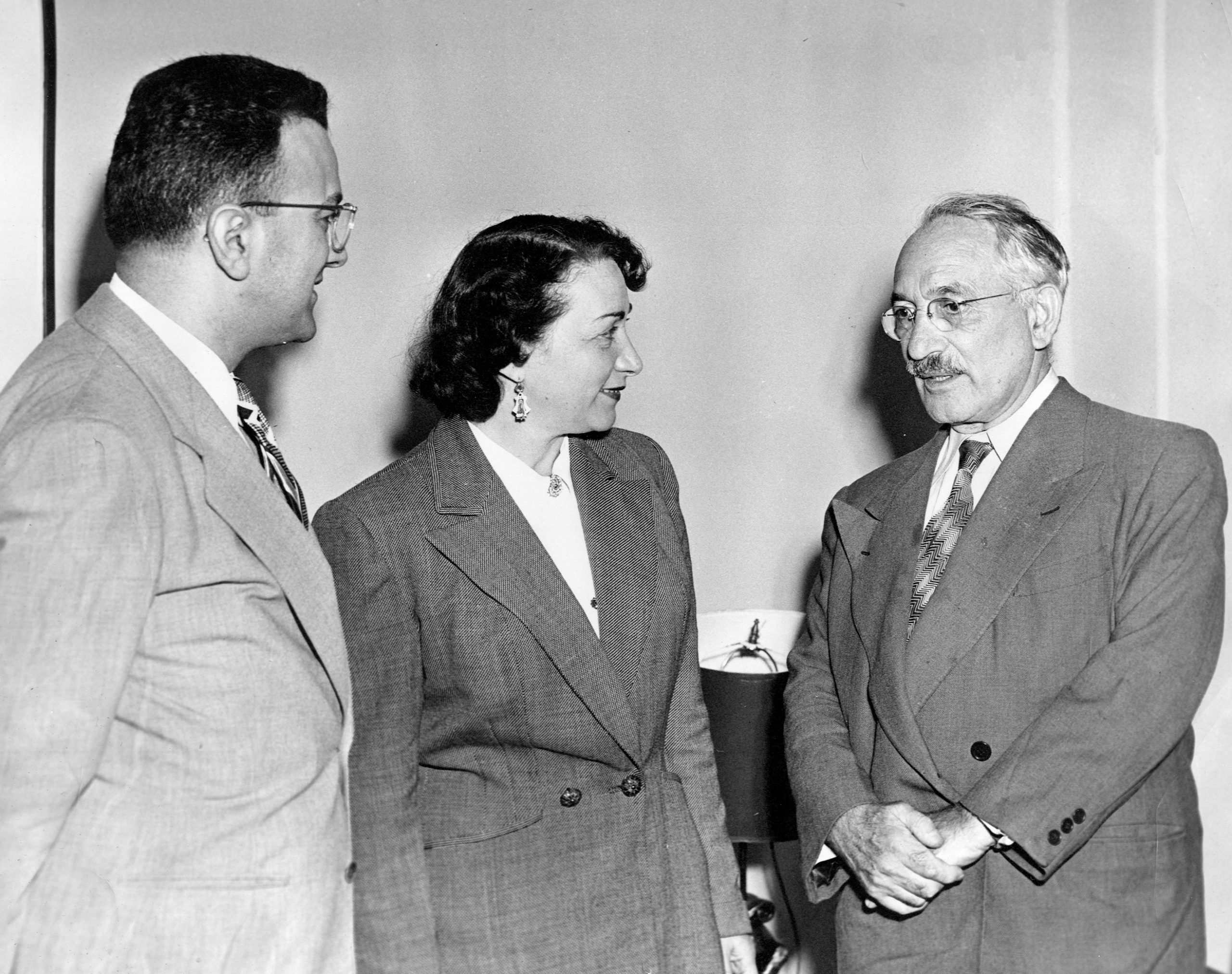
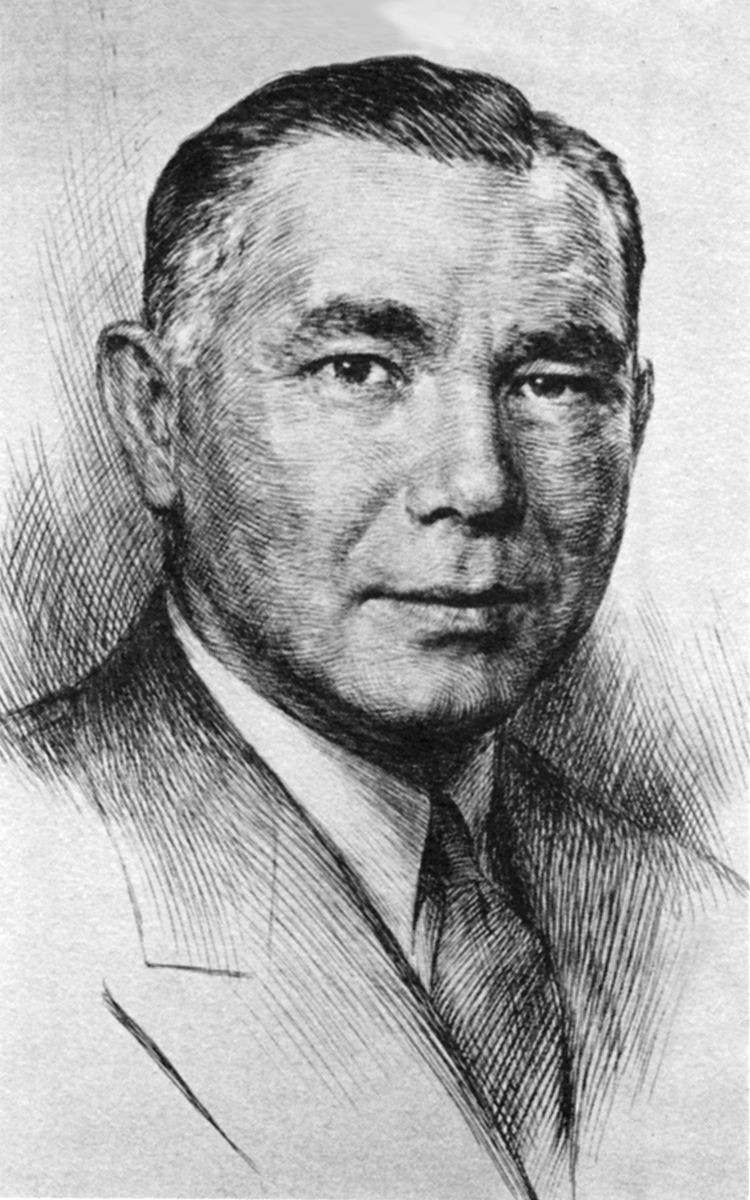
Selman Abraham Waksman, inventor, biochemist and microbiologist whose research into the decomposition of organisms that live in soil enabled the discovery of streptomycin and several other antibiotics, is pictured with Dr. Daniel Rednor, Medical Superintendent, and Clara Franks, Assistant to the President.
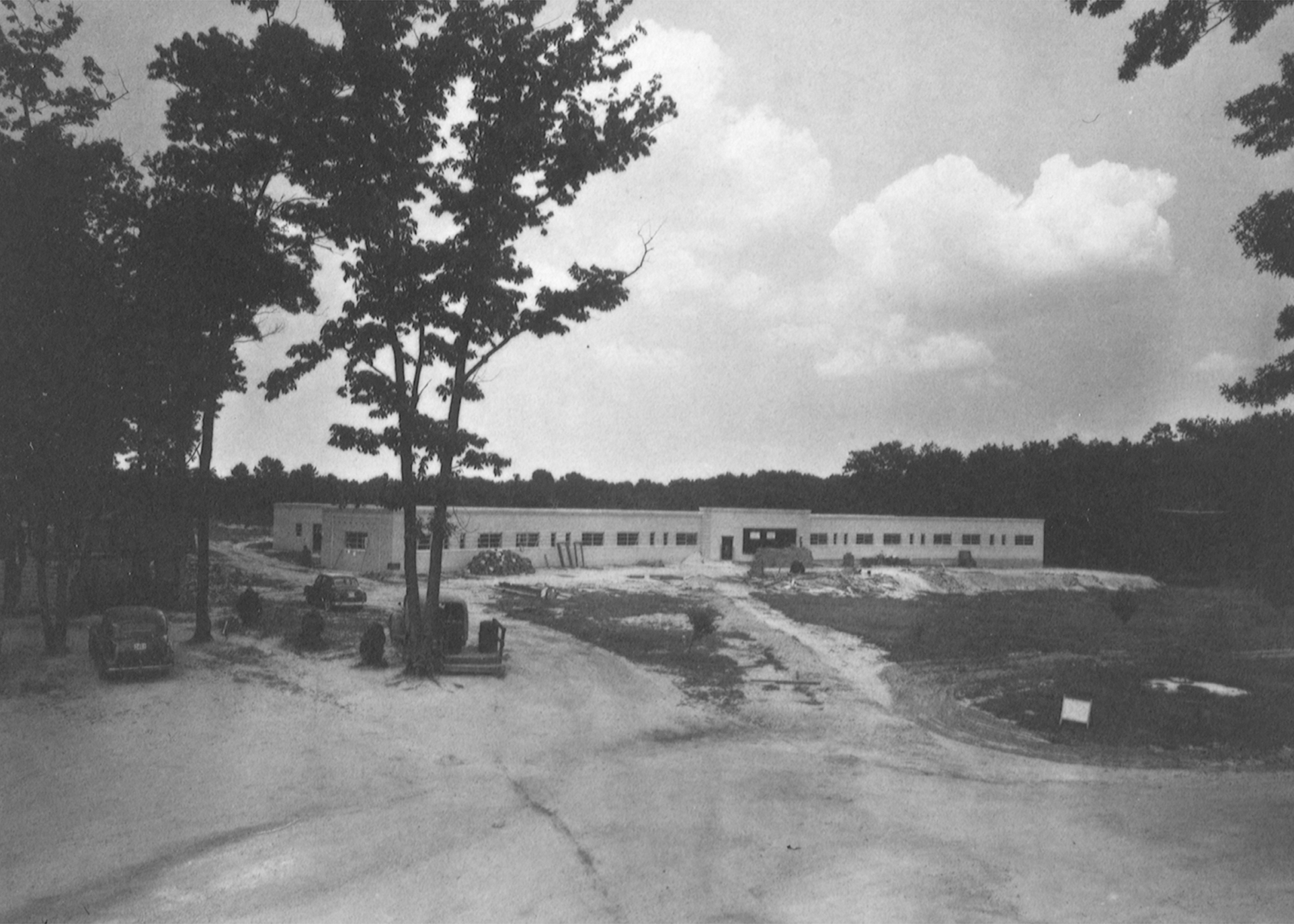
In 1949, the Elichman Pavilion was erected to house the most serious, chronic TB cases. Elichman Pavilion would later be used to house Deborah’s first recovering heart patients.
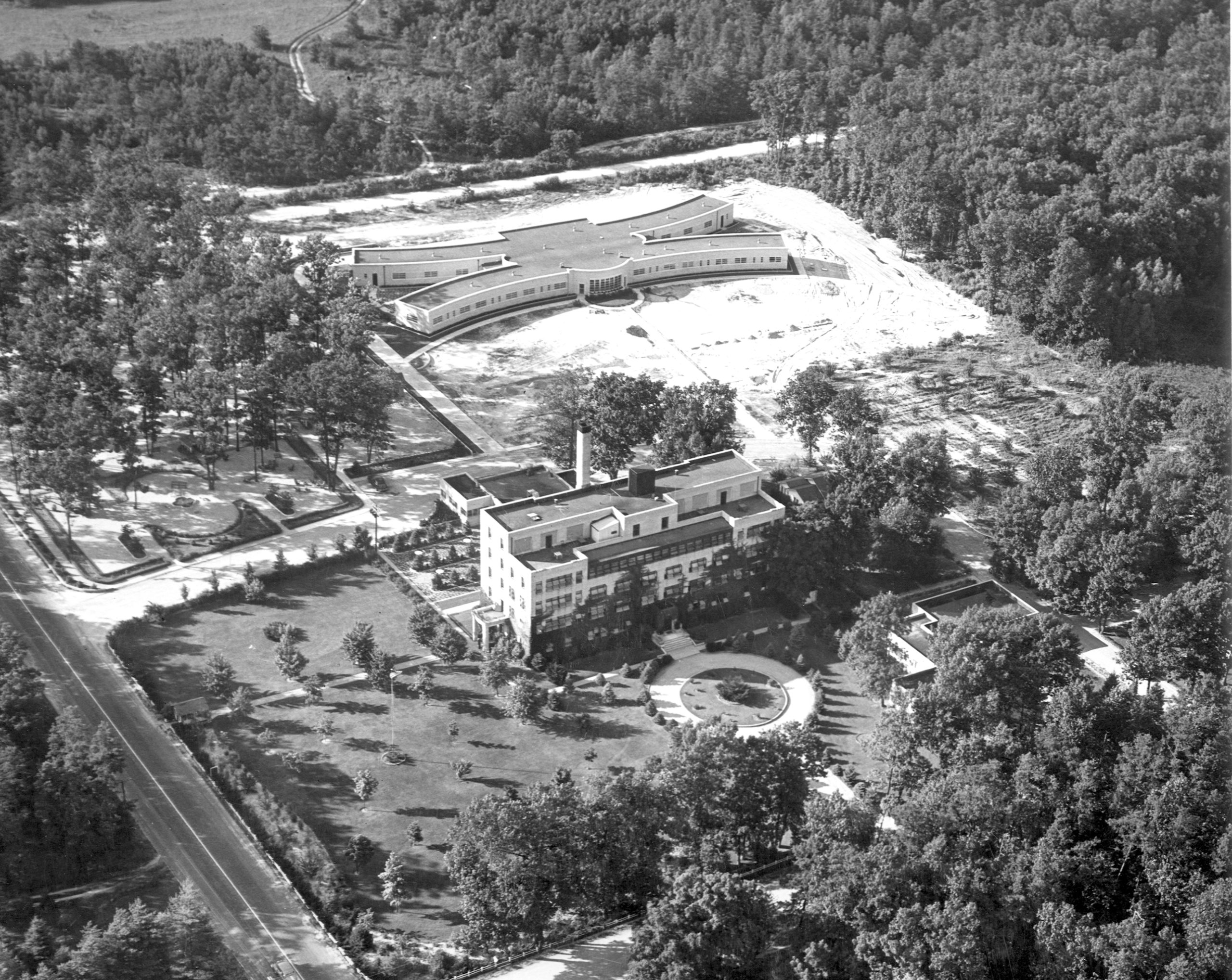
By 1952, Deborah starts to transition from a tuberculosis sanatorium and begins to determine the future direction of the hospital.
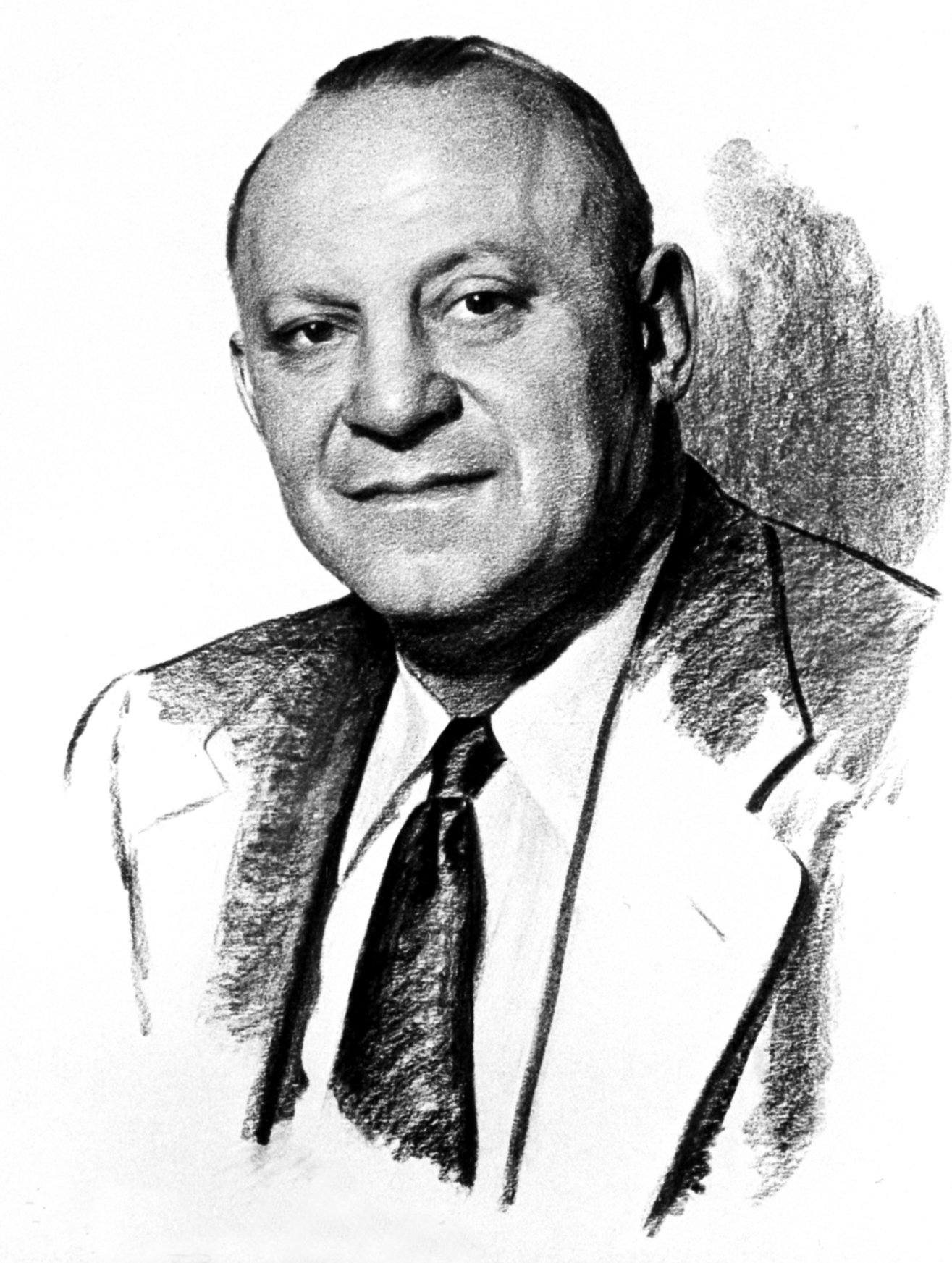
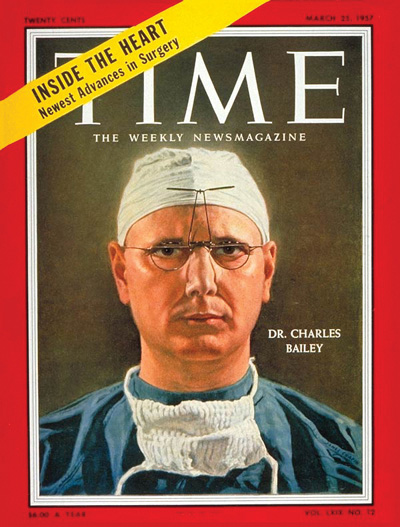
Charles Bailey, M.D., directed cardiovascular surgery at Deborah and his methods were the focus of a 1957 Time magazine article. The first U.S. physician to repair a hole in the wall between the two sides of the heart, Dr. Bailey was born in Wanamassa, N.J., and educated at Rutgers University, Hahnemann Medical College, and the University of Pennsylvania.
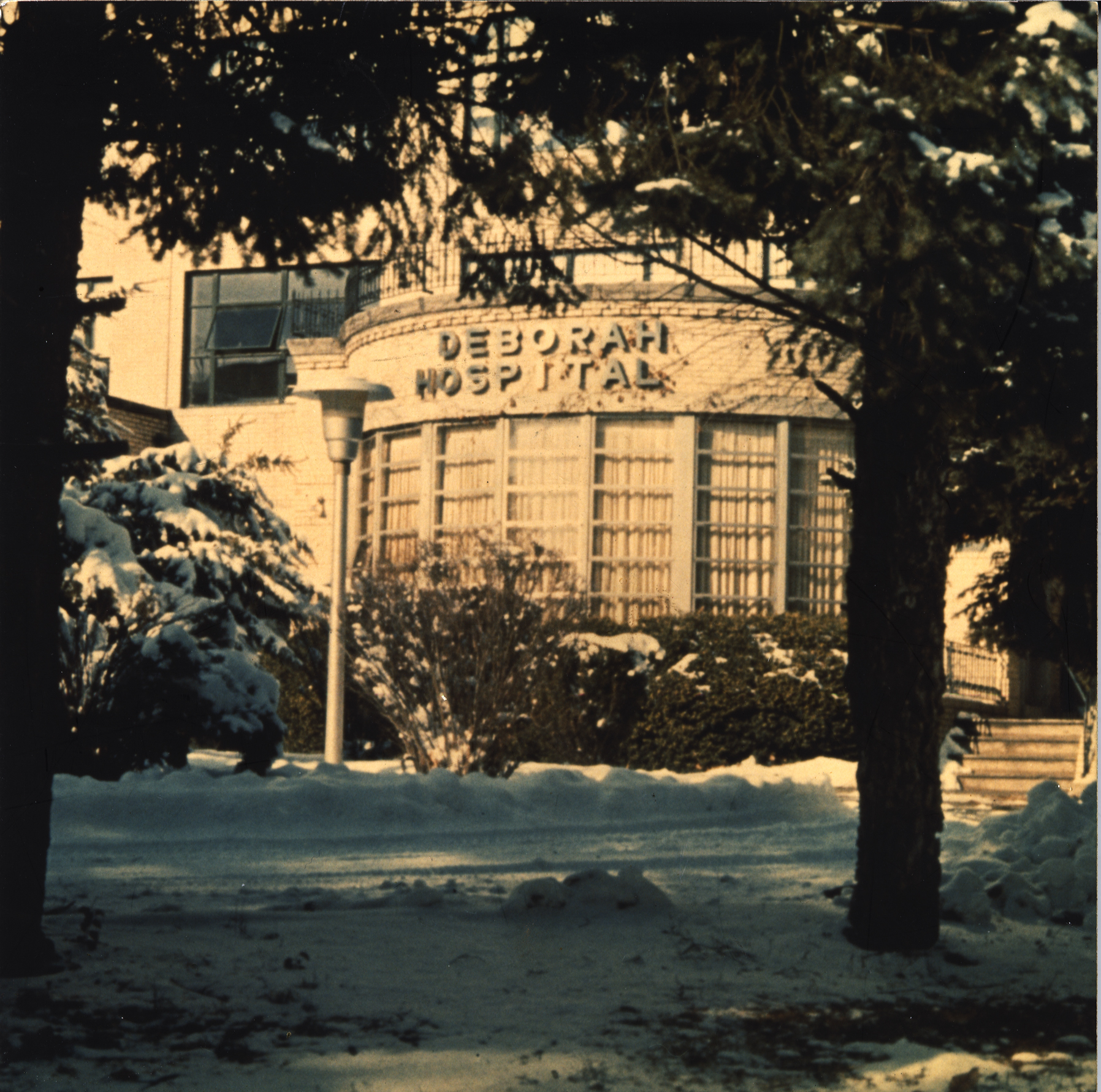
In 1957, the name Deborah Hospital emerges to convey the expanded medical mission.
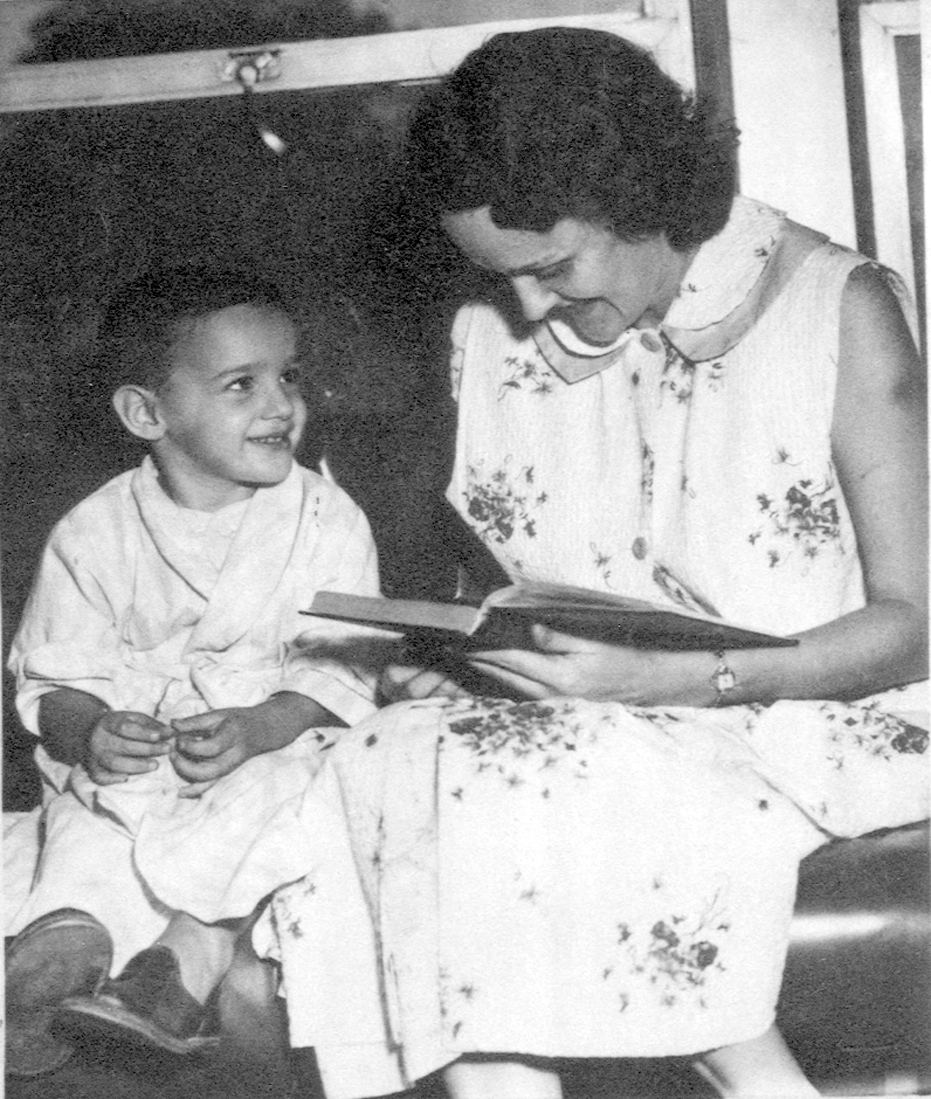
On July 28, 1958, Dr. Charles Bailey performed Deborah’s first heart surgeries on three-year old Bill DiMartino and Dora Hansen.
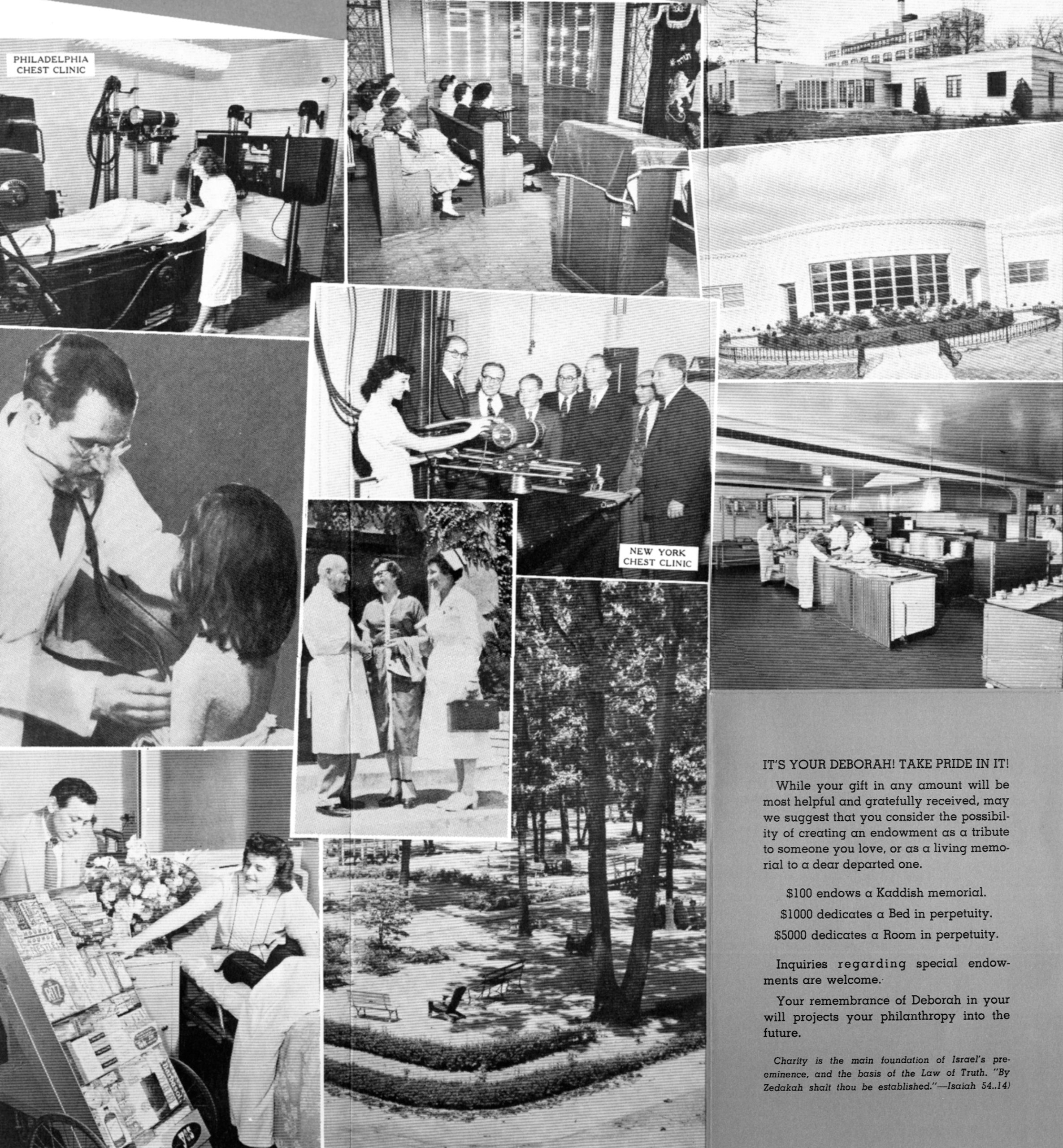
$100 donation endows a Kaddish memorial, $1,000 dedicates a bed and $5,000 dedicates a room in perpetuity. These suggested donations were quite generous in the 1950s when the average yearly cost of living was $3,700.
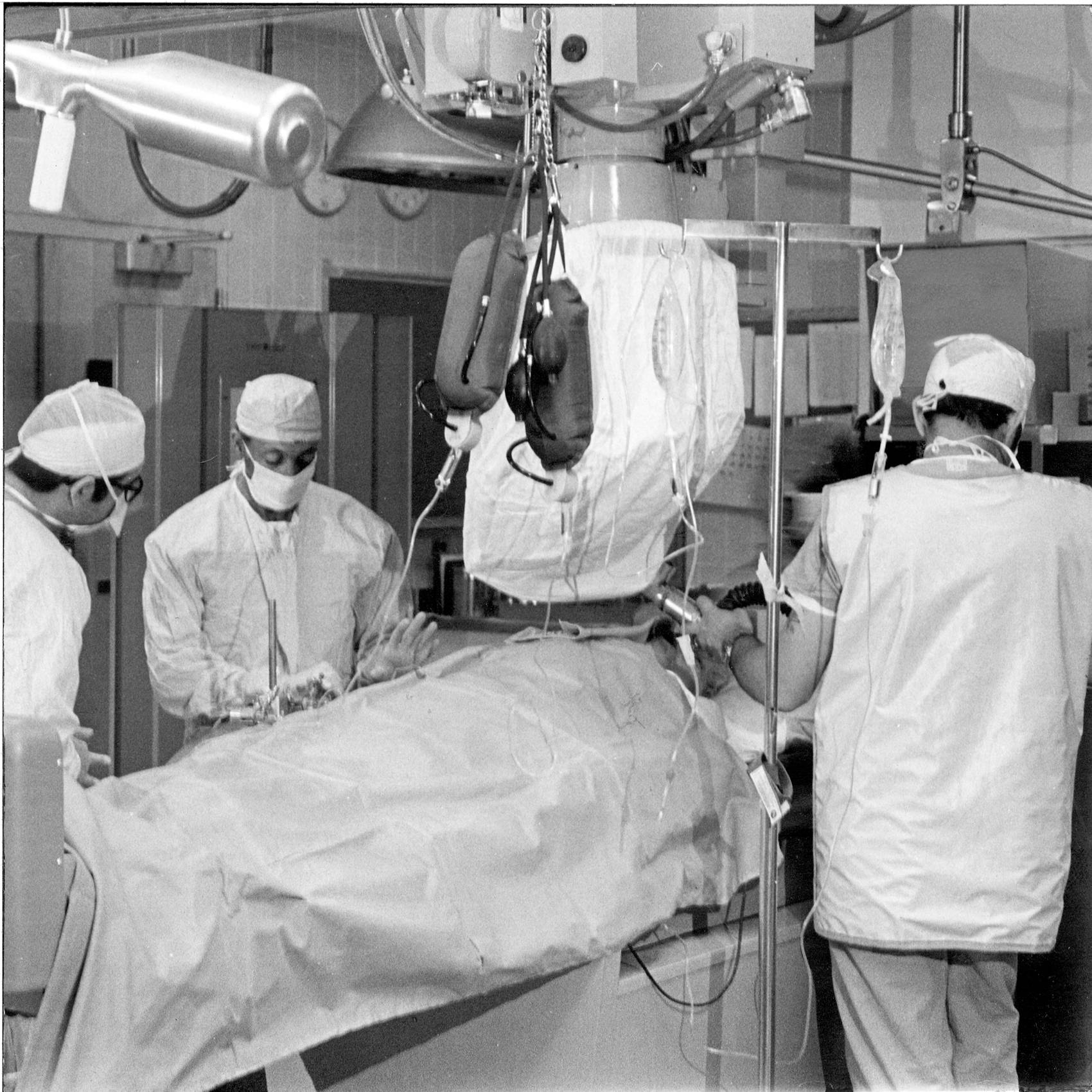
Deborah’s first cardiac catheterization was performed by Vladir Maranhao, M.D., in July 1959.
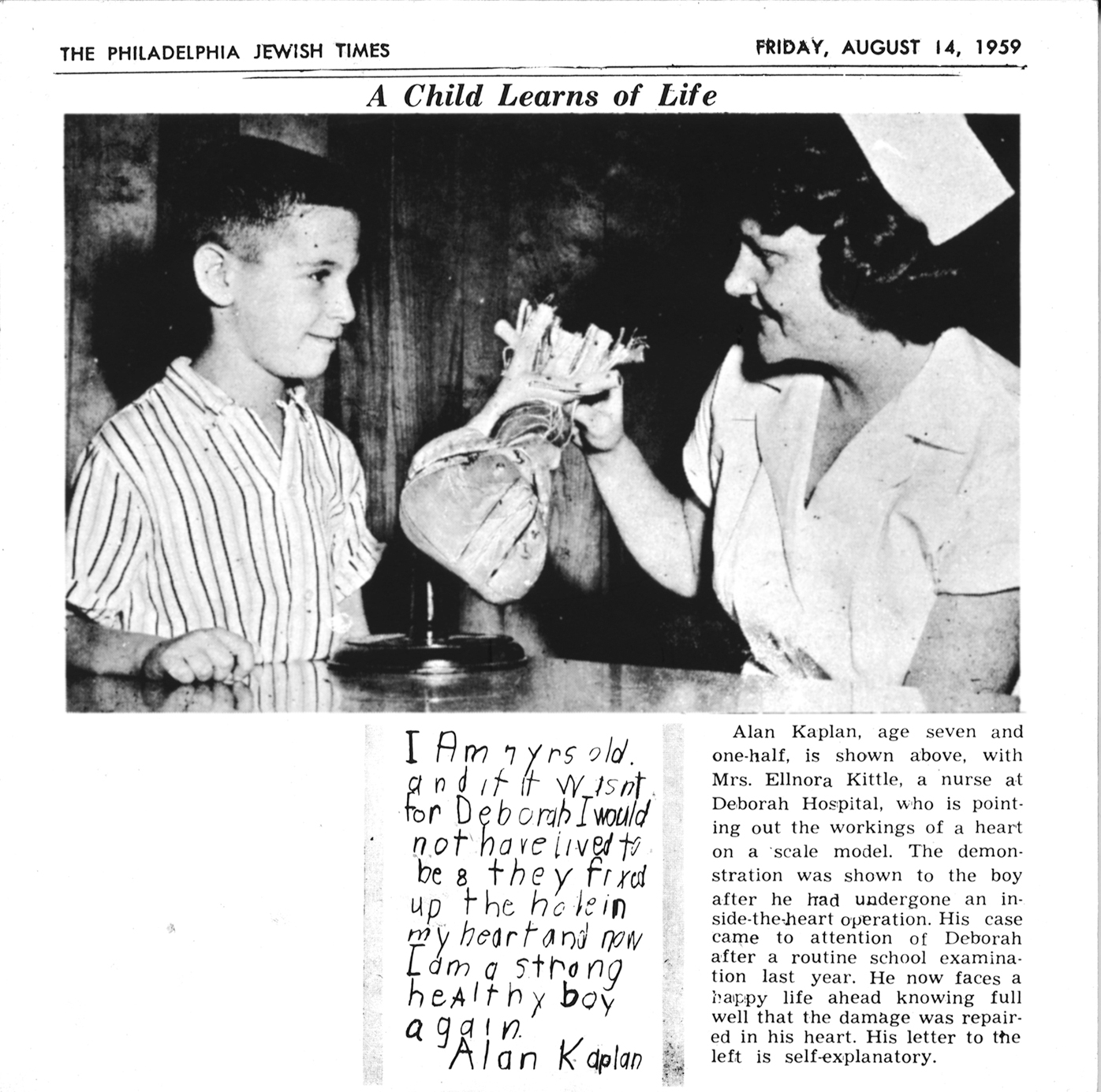
7-year-old thanks Deborah and replies, “I am a strong healthy boy again.”
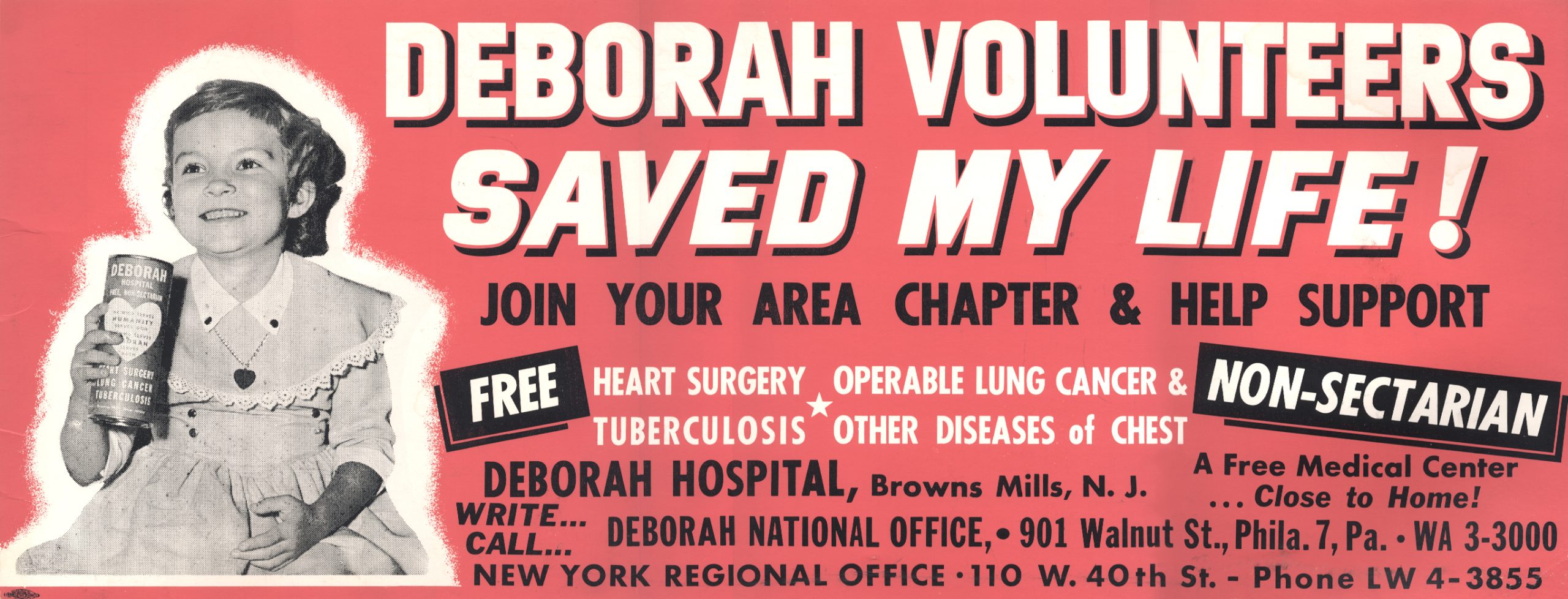
Canister drives by the area chapters gained support for the hospital by featuring children whose lives were saved by Deborah.
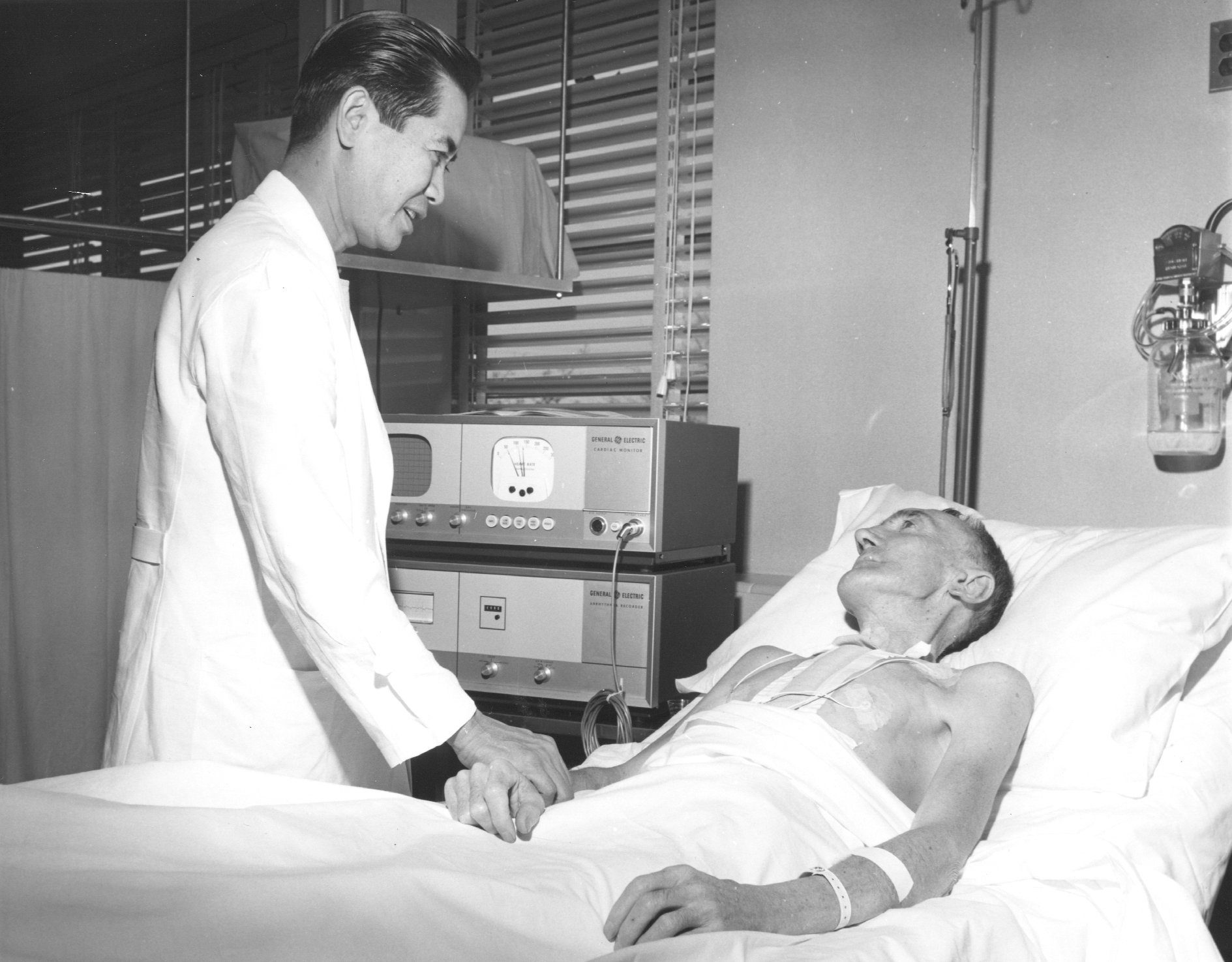
Physician and patient at the bedside with the latest in technology available in the 1960 era.
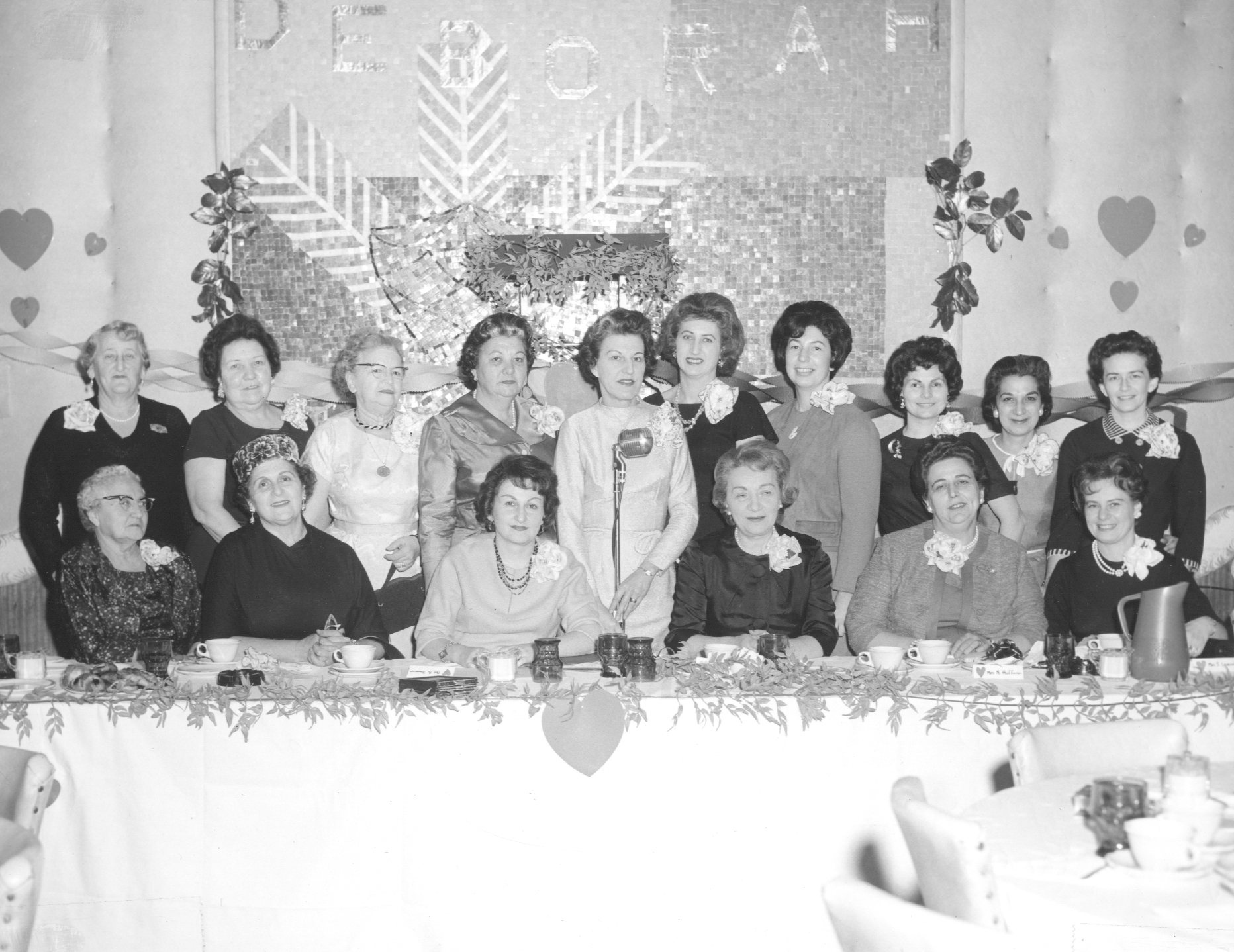
Members gather for the installation of officers of Deborah’s Lakewood (NJ) Chapter. Deborah’s many chapters and supporters unite people from all backgrounds and interests. Deborah Chapters and affiliates continue to work diligently to make Deborah Heart and Lung Center a better place.
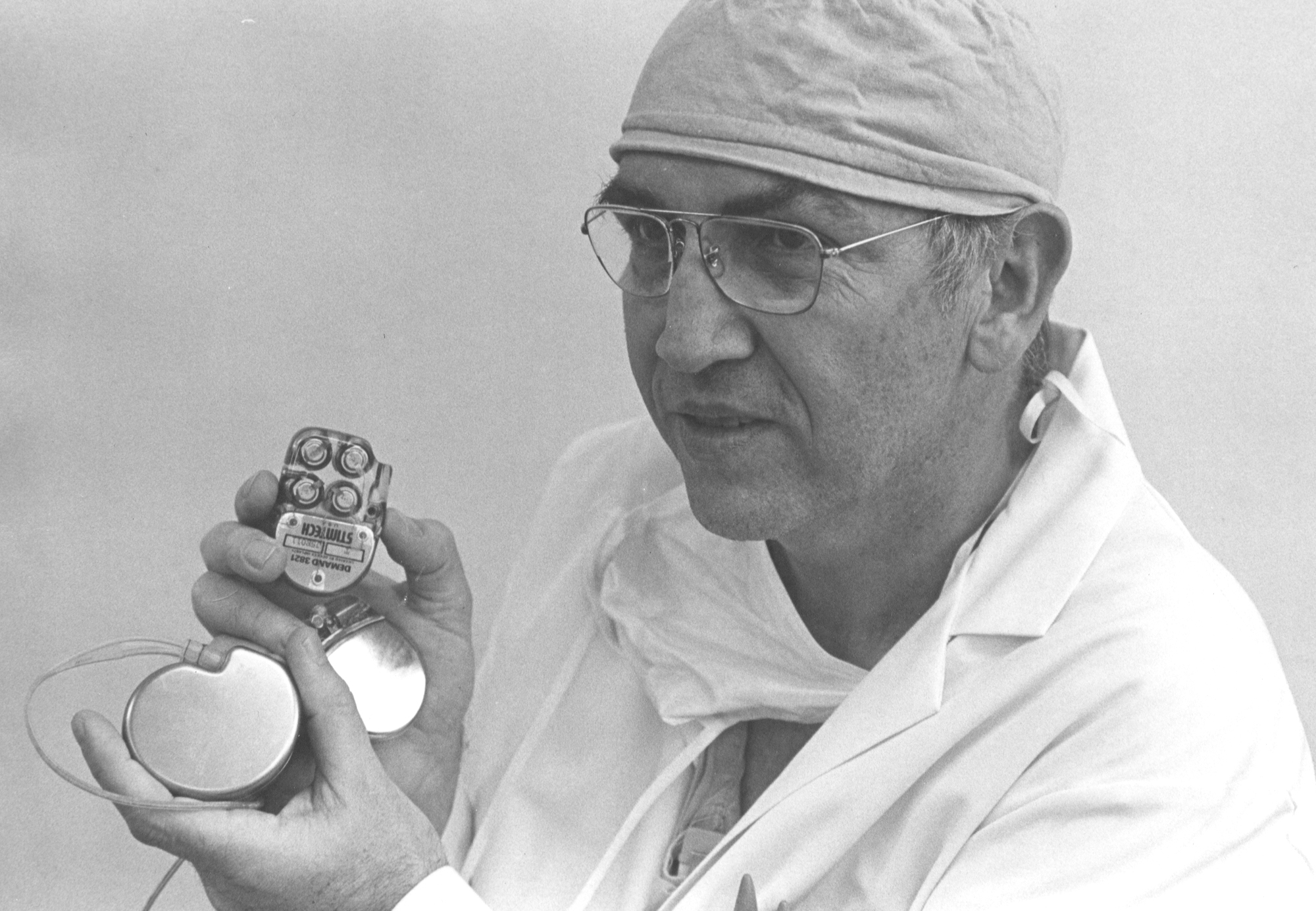
Dryden Morse, MD, pioneering cardiologist who helped found the North American Society of Pacing and Electrophysiology (NASPE) later renamed the Heart Rhythm Society, is seen implanting the first pacemaker at Deborah in 1961.
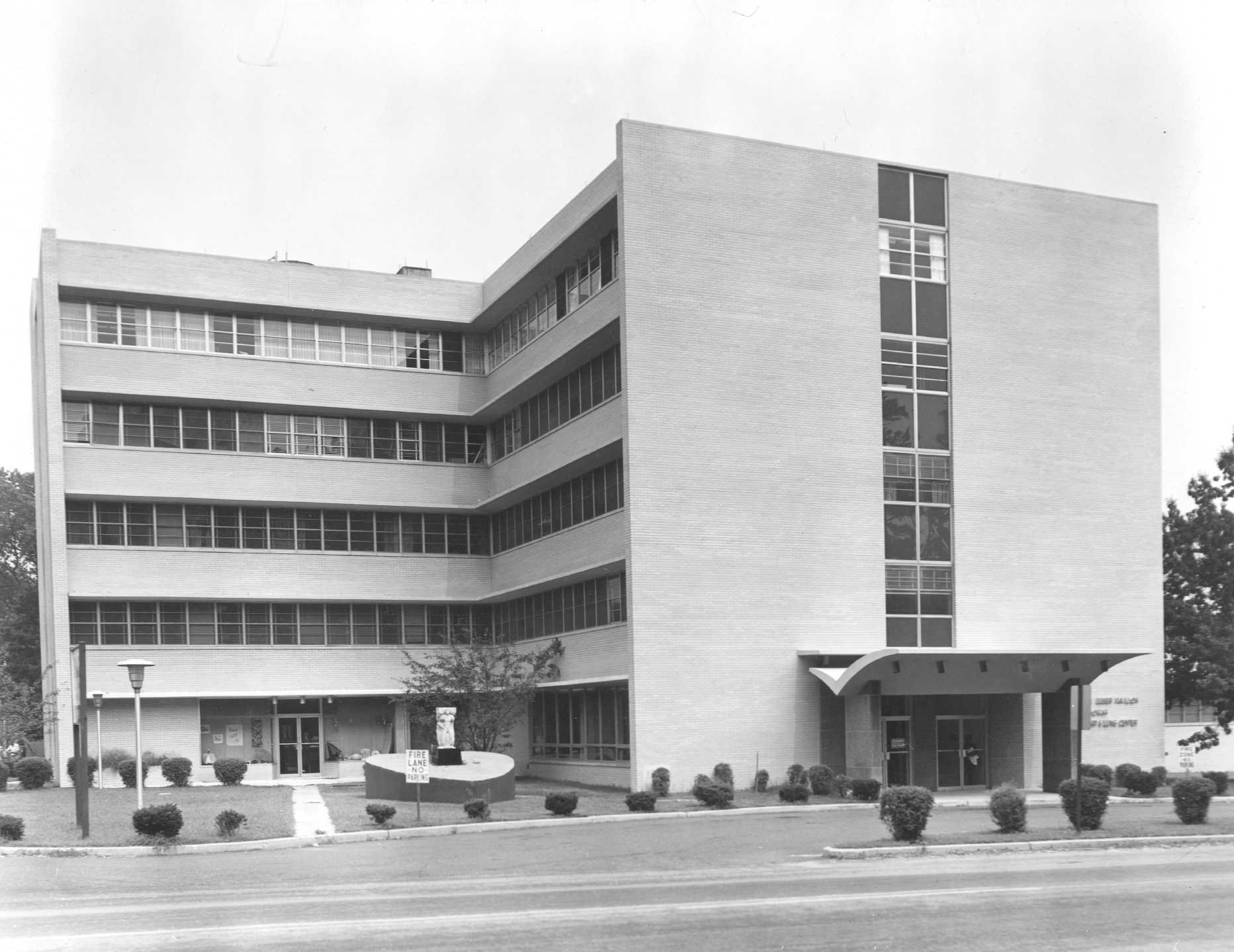
In 1965, the Lesser Building, named for former Deborah President Jack Lesser, was added to the Main Building, significantly expanding patient care areas. Lesser was named president of the hospital in 1956 after serving as a member of the hospital board for nearly 30 years. During Lesser’s administration the hospital grew from a sanatorium to a treatment and research center for heart and lung diseases.
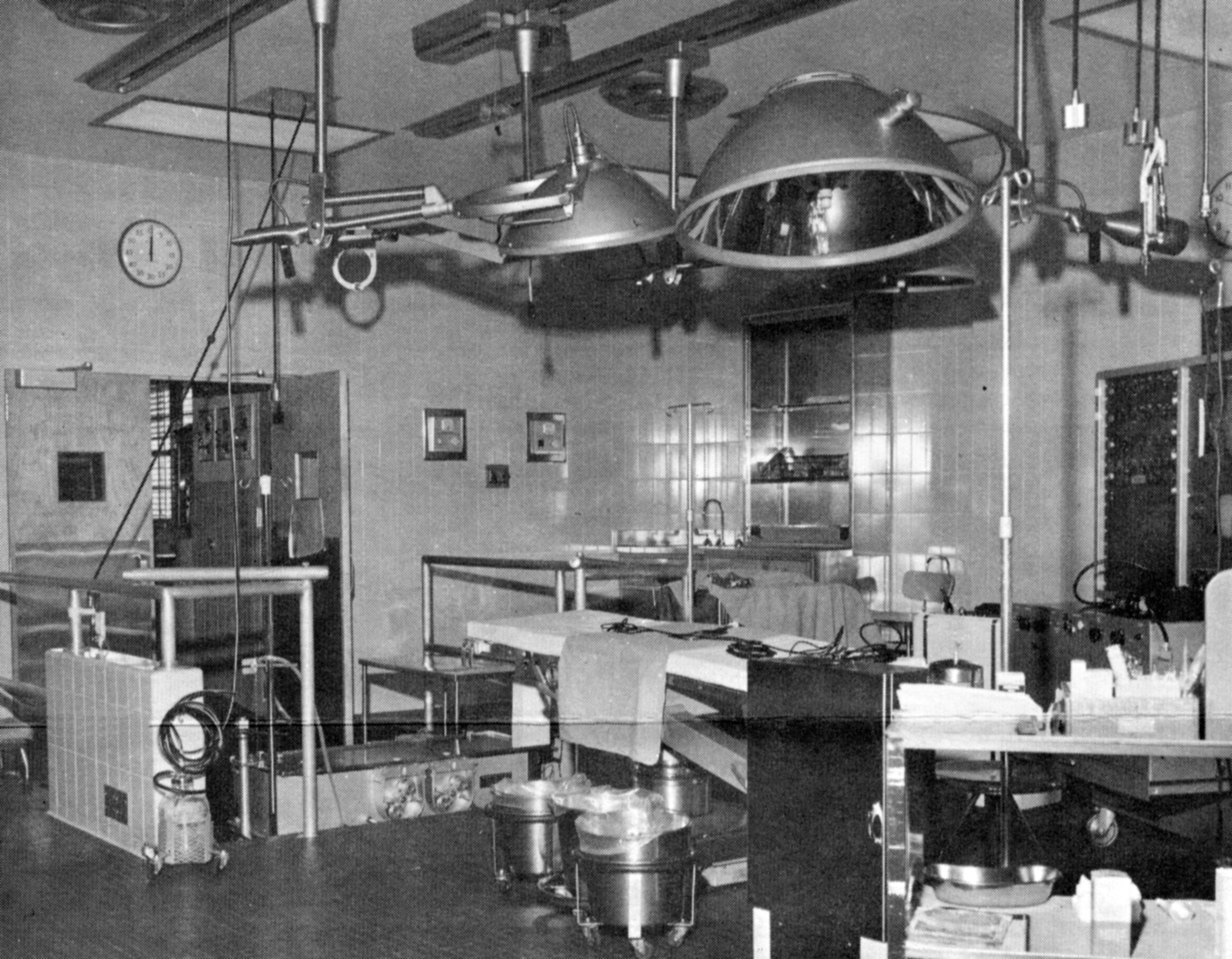
In 1968 and 1969 new operating suites, cardiac catheterization laboratories and other diagnostic units were added. Cardiac catheterization allows doctors to see how well blood vessels supply blood to the heart. Doctors use contrast dye that they inject into blood vessel through a catheter to create X-ray videos of valves, coronary arteries, and heart chambers.
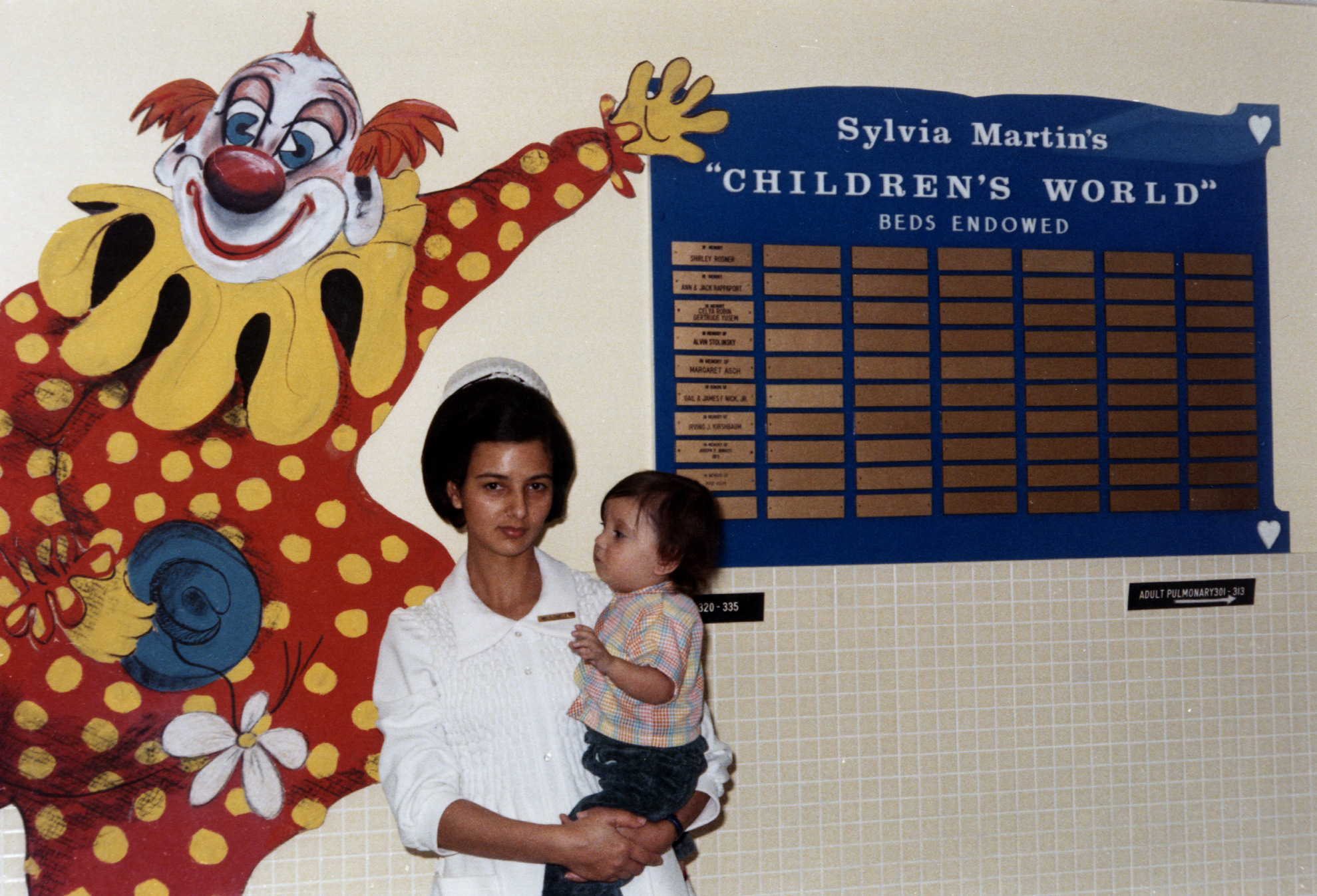
In 1970, Deborah’s Pediatric Unit was named the Sylvia Martin Children’s World to provide excellent care specifically for the youngest patients. Deborah later became known for treating children around the world with cardiac issues.
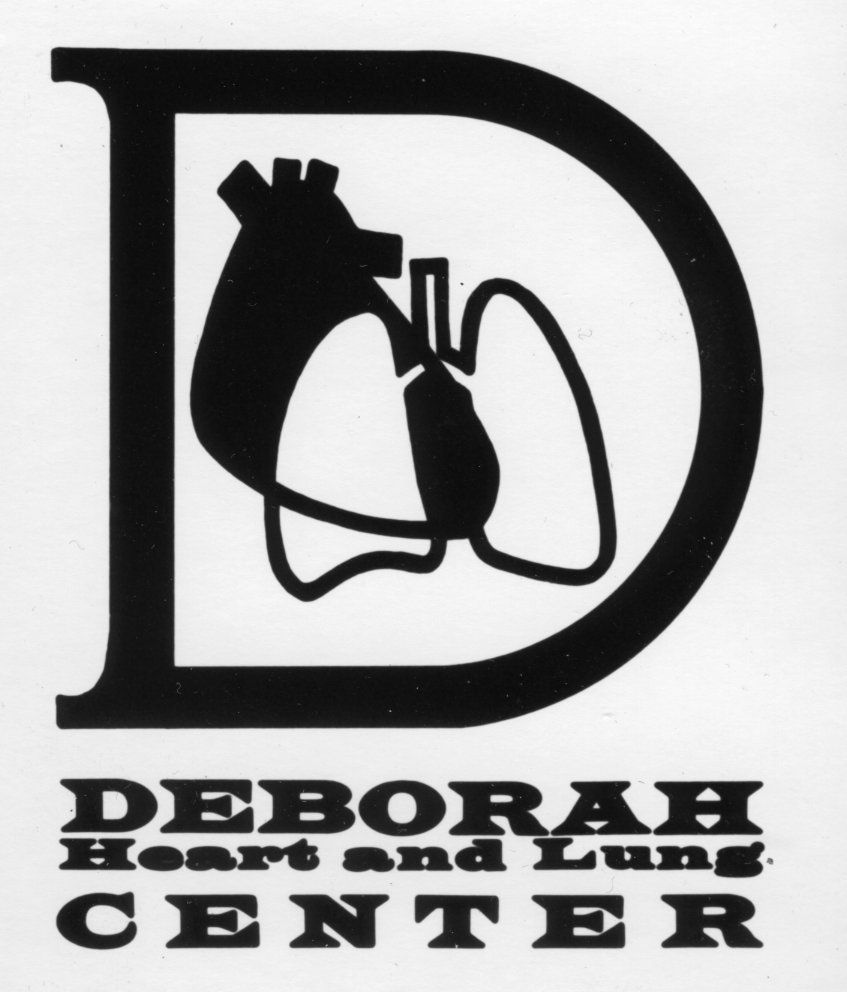
The hospital’s 1970s logo was created by taking elements of sketches from a number of local artists. The type-face at the time was thought to be modern and in line with the new name and forward advances being made at the hospital in that decade.

The Children of the World® program began treating pediatric patients with congenital heart defects and other severe medical problems that could not receive advanced heart and lung care in their home countries. Children from more than 80 countries came to Browns Mills for treatment and received care at no cost.
 Incorporated in 1974, Deborah Hospital Foundation is the fundraising entity for Deborah Heart and Lung Center. The Foundation relies annually on the generous support of individuals, corporations, foundations and membership organizations to support the life-saving care provided by the Deborah Heart and Lung Center.
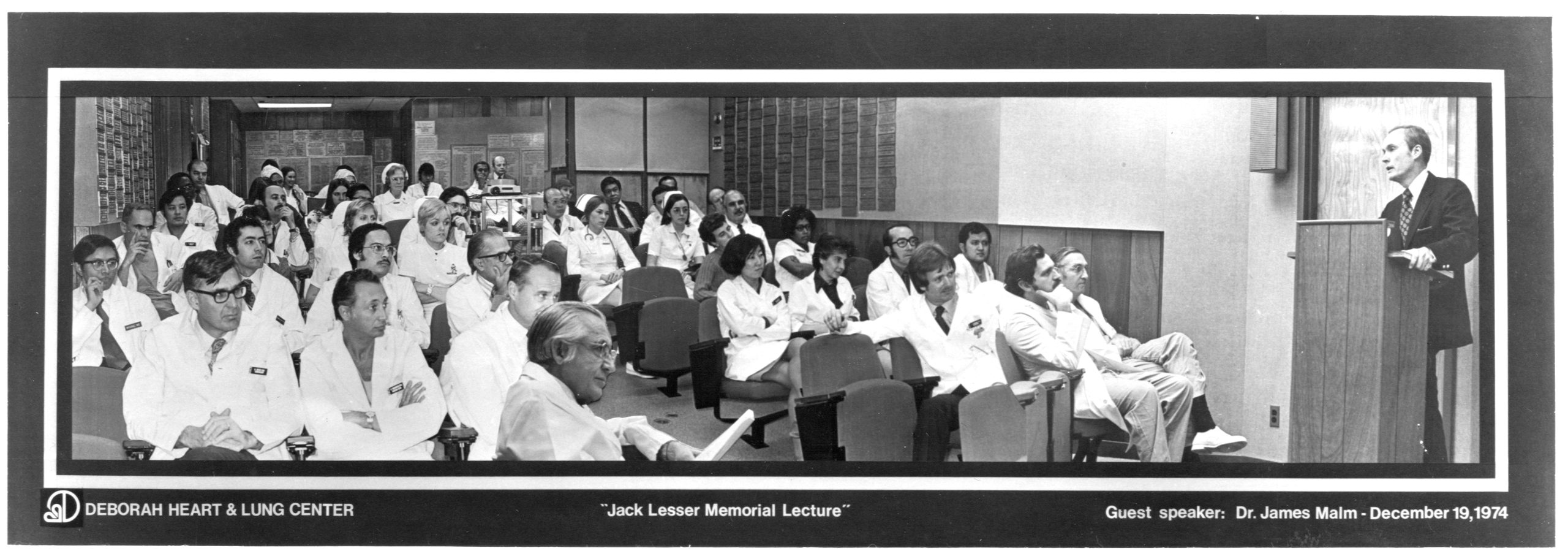
Guest Lecturer and renowned cardiac surgeon, James Malm speaks at the Jack Lesser Memorial Lecture. Deborah Heart and Lung Center frequently hosted world-class continuing education symposia, guest lectures and grand rounds for its medical staff.
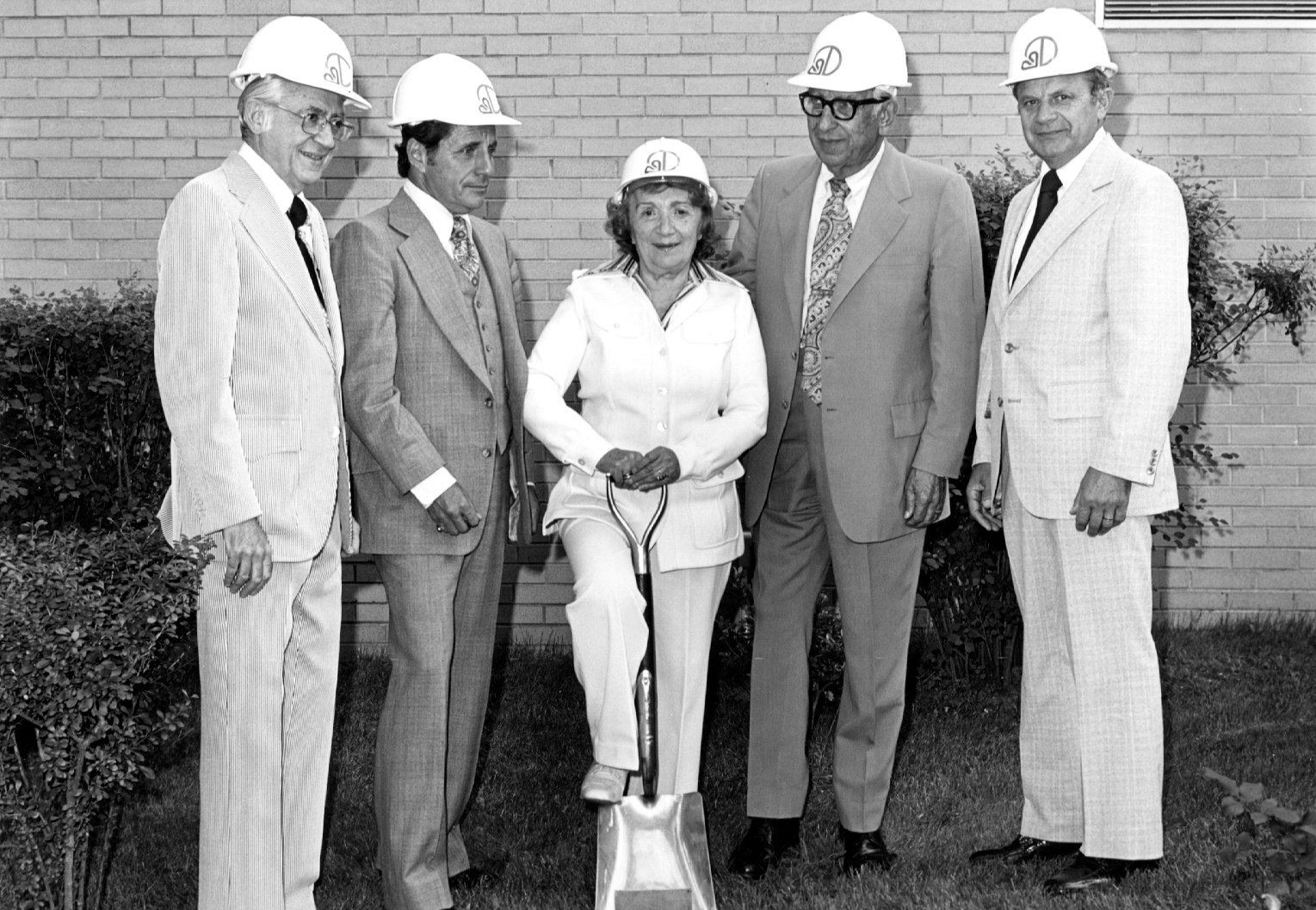
Deborah officials broke ground in 1977 on a $14 million expansion project which would double the size of what by then was known as Deborah Heart and Lung Center.
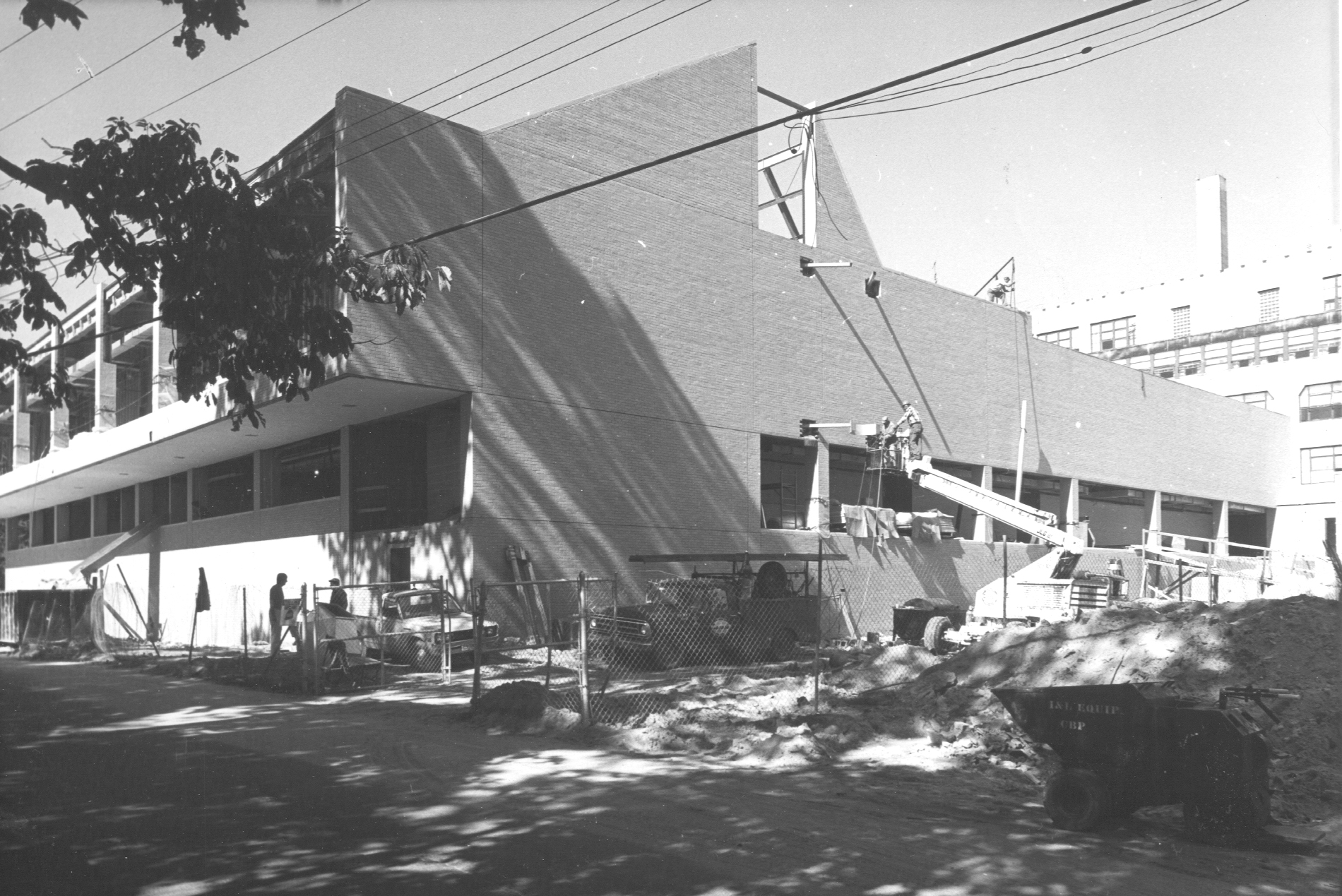
At the end of the 70s, Deborah would undergo major expansion, building the North and South Wing of the hospital leading into the new decade.
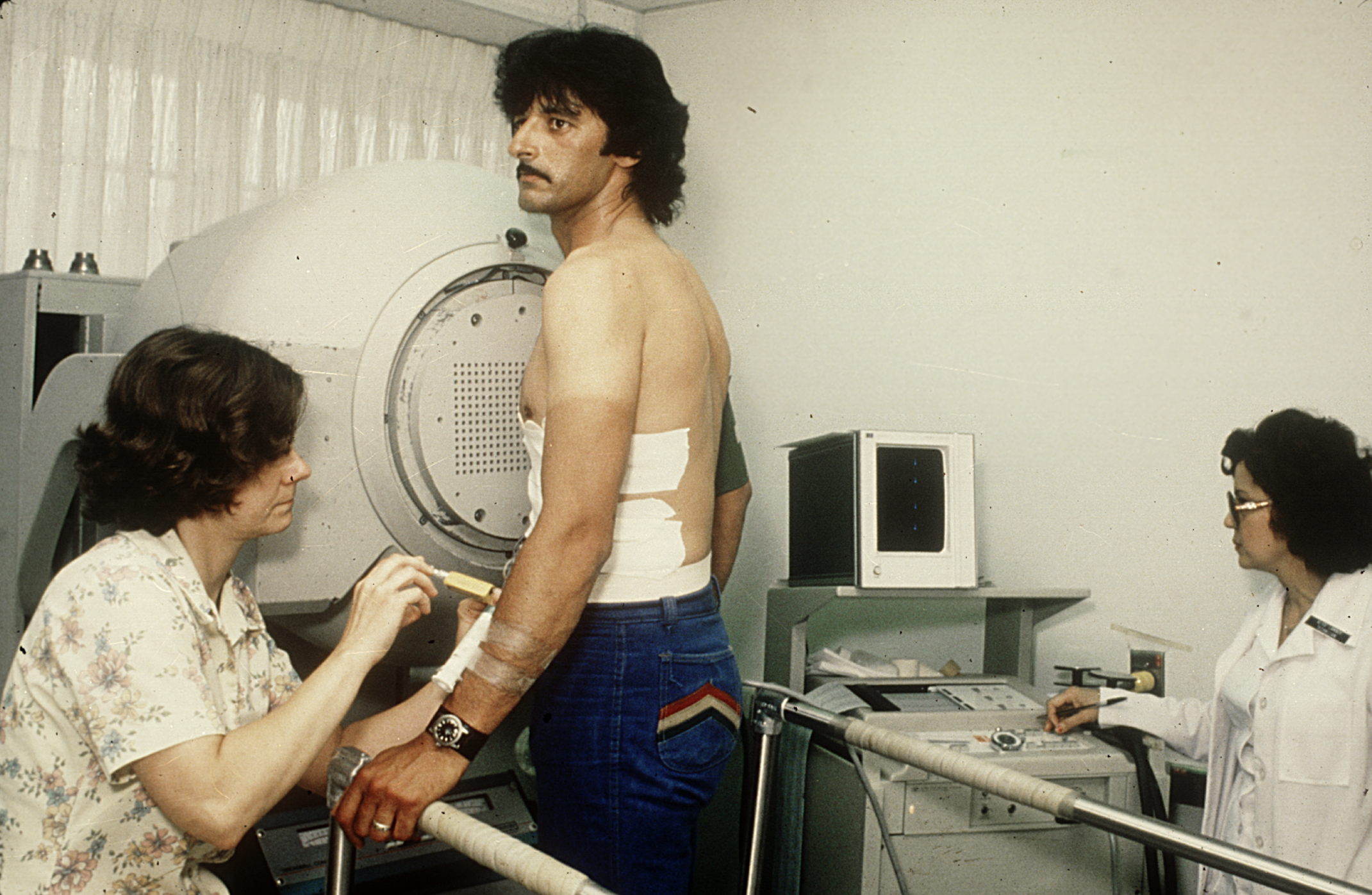
On July 13, 1977, Deborah performed its first nuclear stress test. A nuclear stress test uses a small amount of radioactive material (tracer) and an imaging machine to create pictures showing the blood flow to the heart. The test measures blood flow while at rest and during activity, showing areas with poor blood flow or damage in the heart. Today, it is one of the most commonly used tests to diagnose and treat cardiovascular conditions.
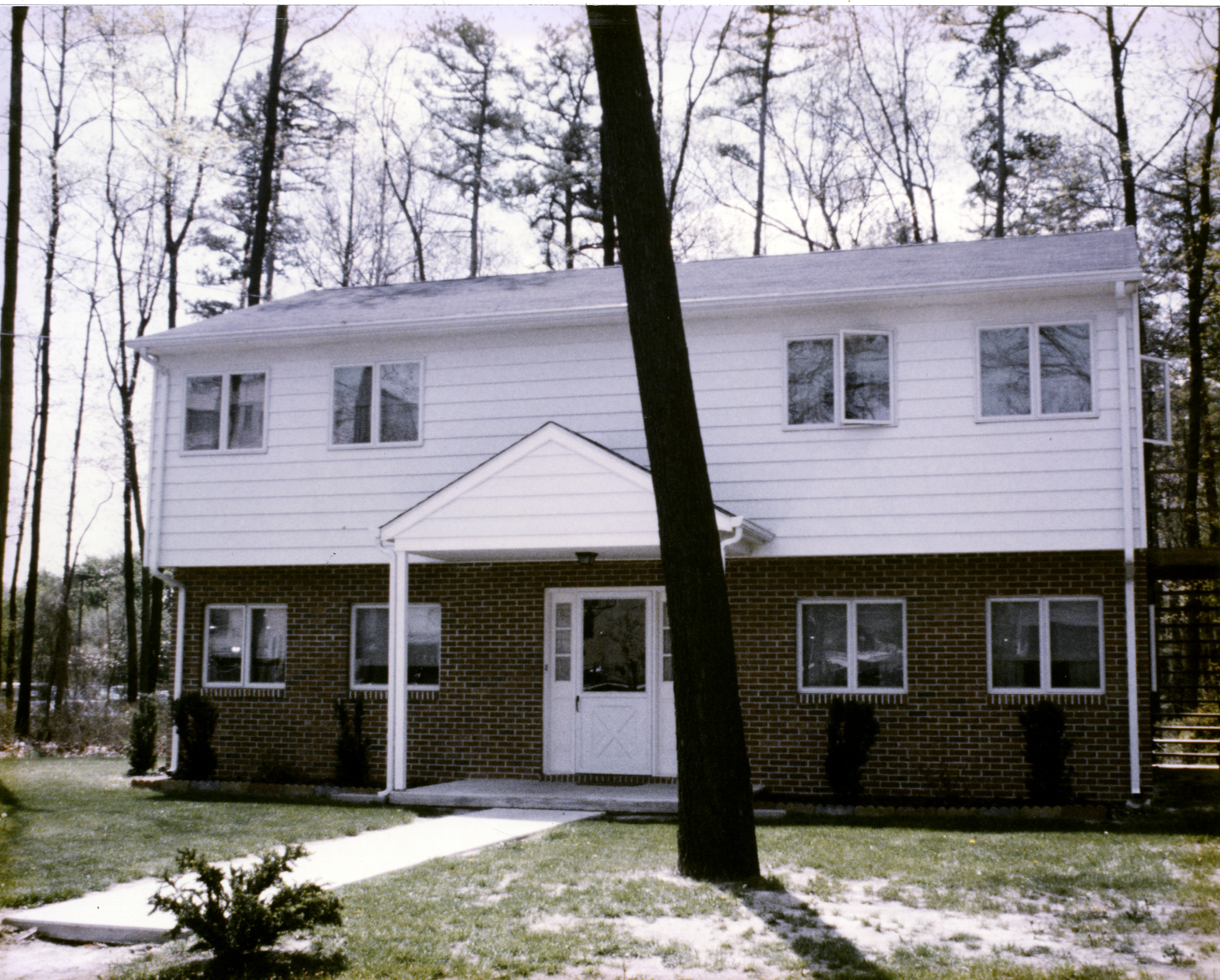
Pediatric heart care has always been a part of the Deborah mission from very early on. In 1979 the Augusta Gollin Mother’s Cottage was completed to provide on-campus housing for the mothers of pediatric patients. Today, the building still stands and provides respite for first responders.
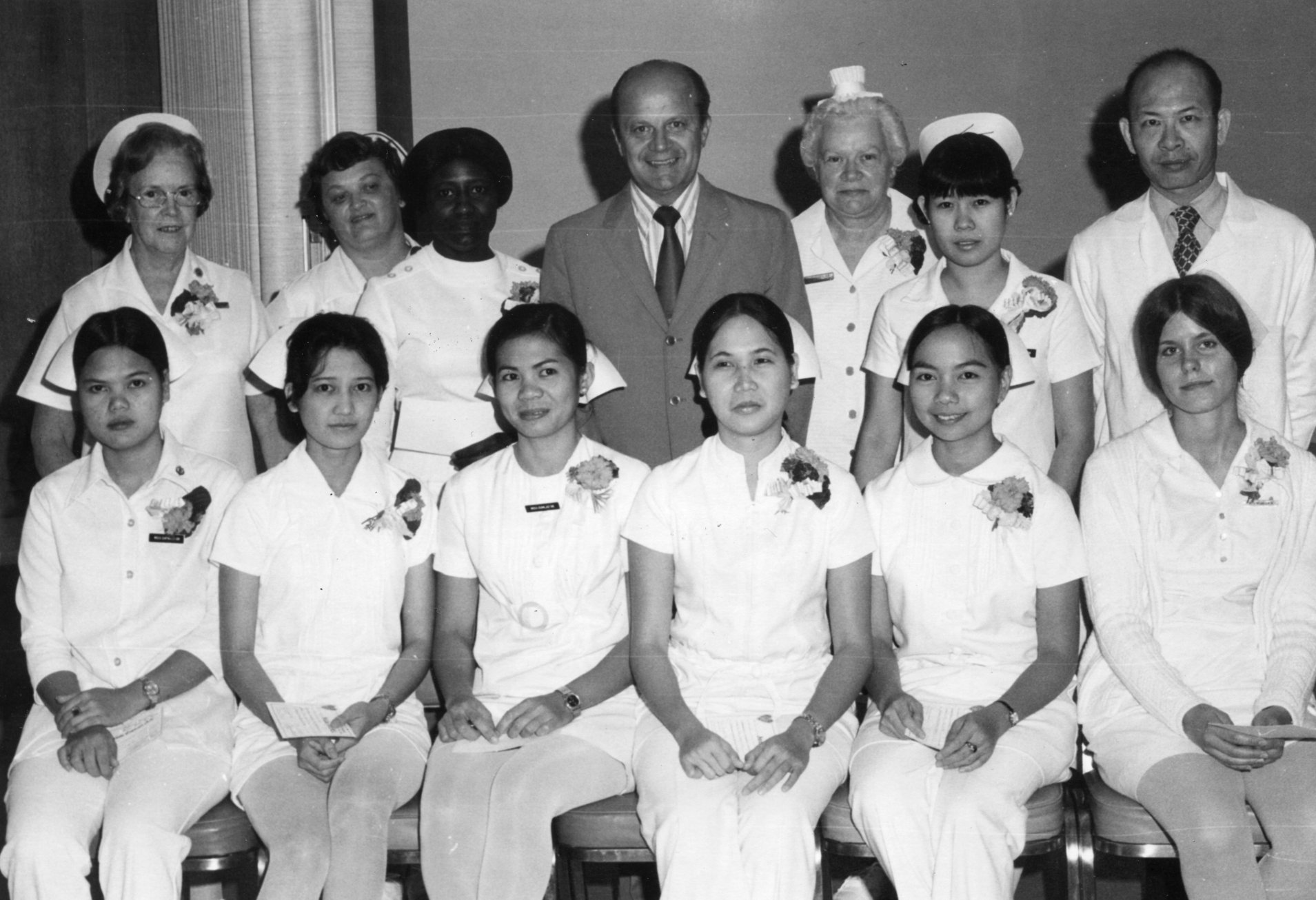
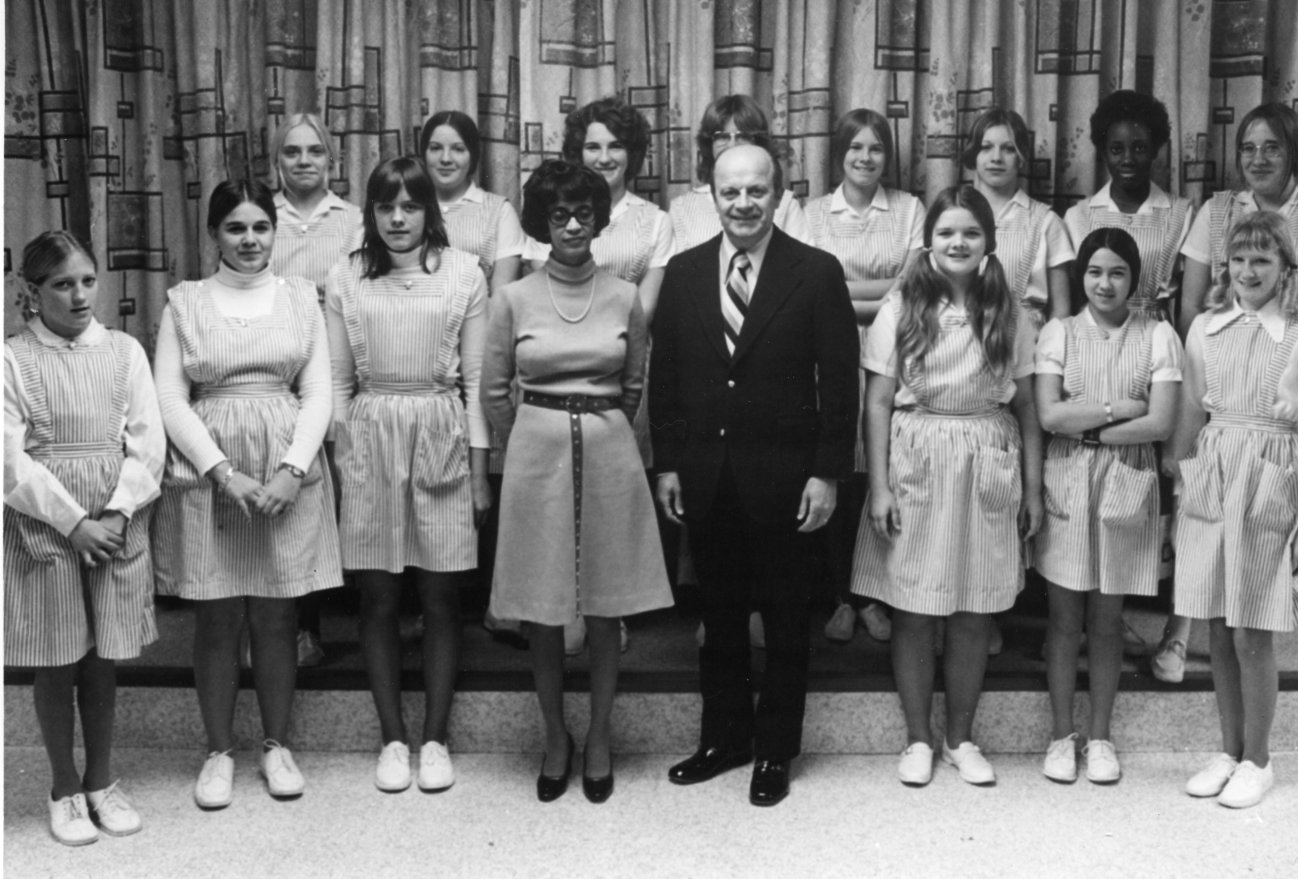
Nurses celebrate the completion of EKG training with a class photo with hospital administration and certificate. White nursing uniforms were the standard for nurses until the 80s, soon to be replaced by colorful scrubs.
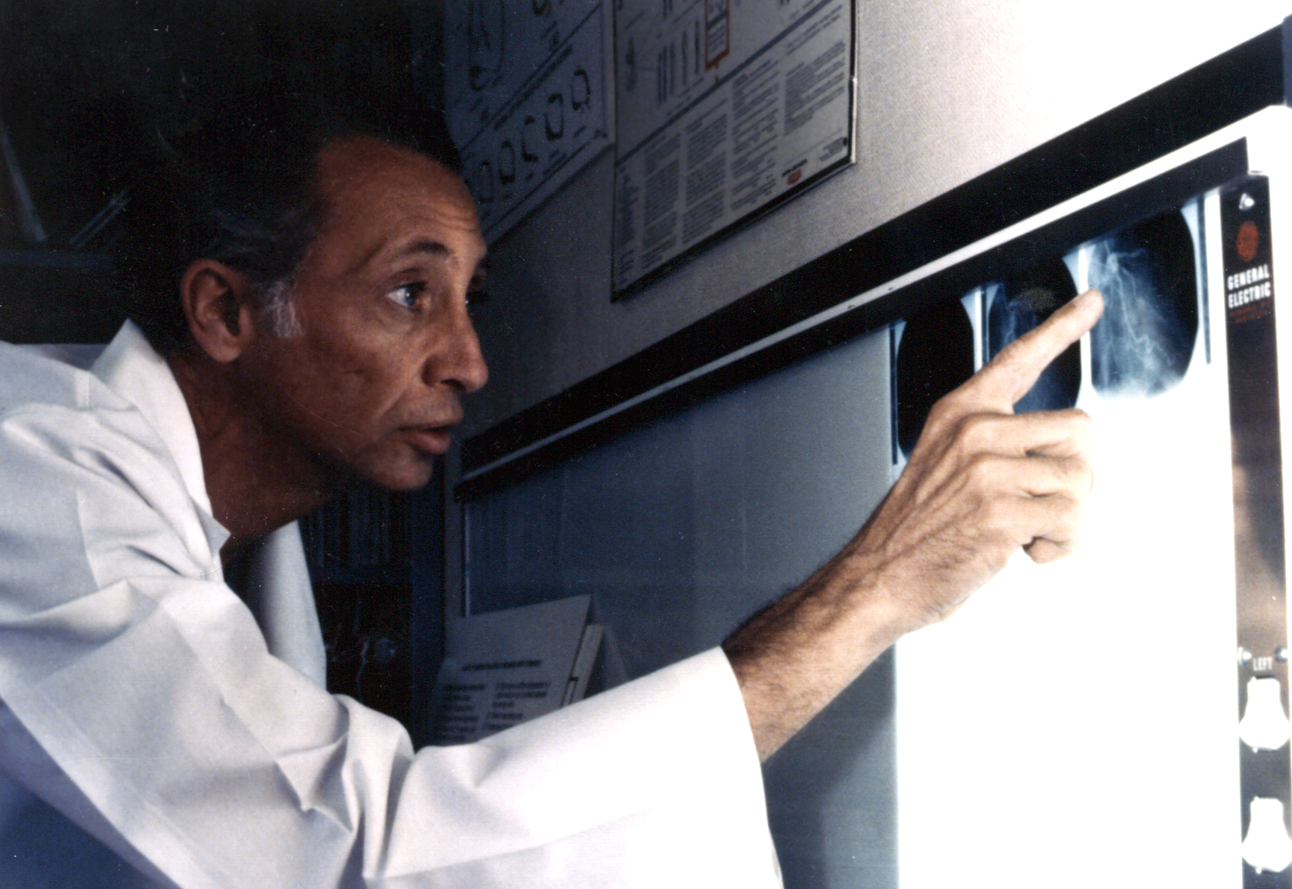
Vladir Maranhao, MD, affectionately known as “Dr. Mara” performed Deborah’s first percutaneous transluminal coronary angioplasty (PTCA) or balloon angioplasty. Dr. Mara also performed Deborah’s first cardiac catheterization in 1959 and spent 28 years at Deborah Heart and Lung Center as a cardiologist, chairman of the department of cardiovascular diseases and later vice president of medical affairs.
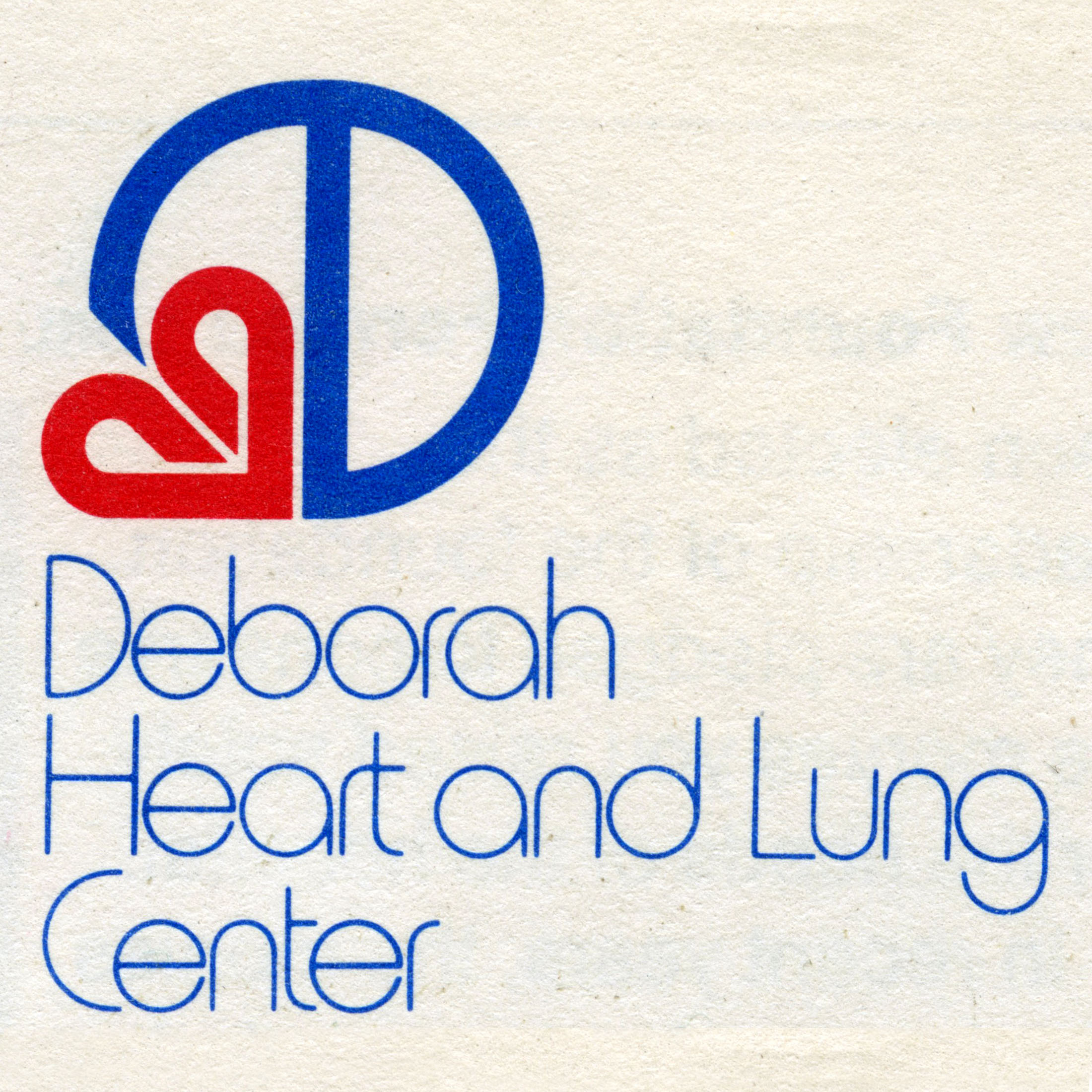
The blue and red logo is introduced with the signature heart and lungs represented in the capital letter D.
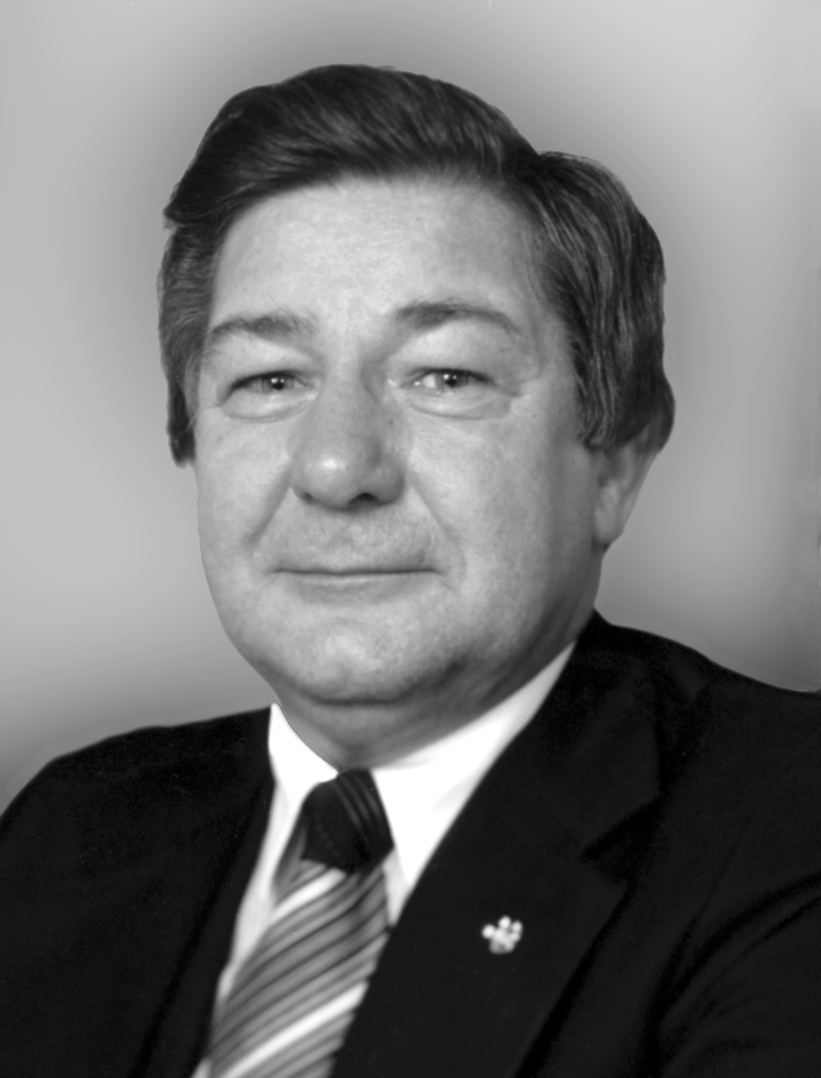
Stanly H. Fryczynski, Jr. served as president from 1980 to 1983 and then again from 1986 to 1994.
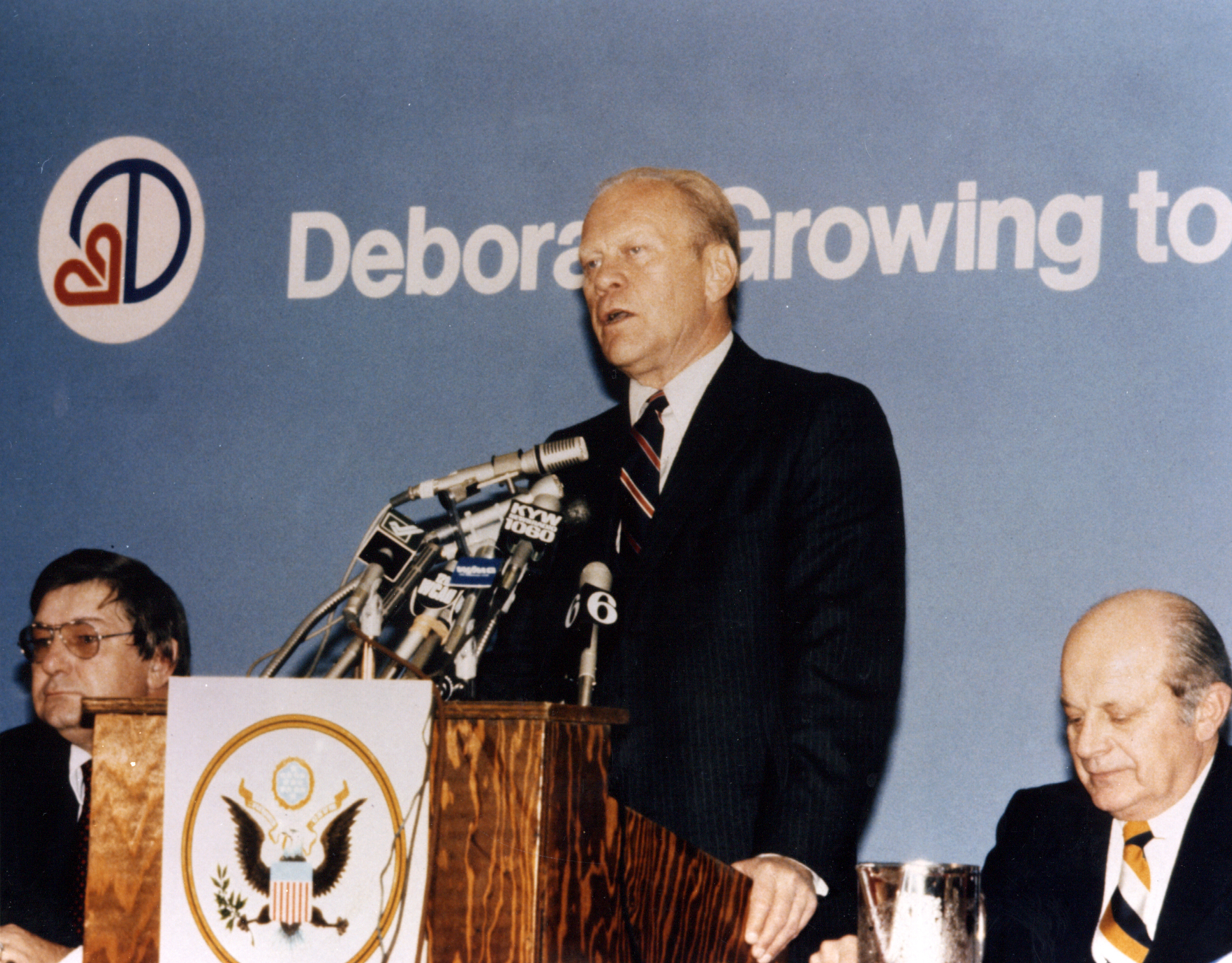
On December 2, 1981, former United States President Gerald R. Ford, dedicated the new and expanded facilities of Deborah Heart and Lung Center, marking the formal completion of Deborah’s $14 million capital expansion project.
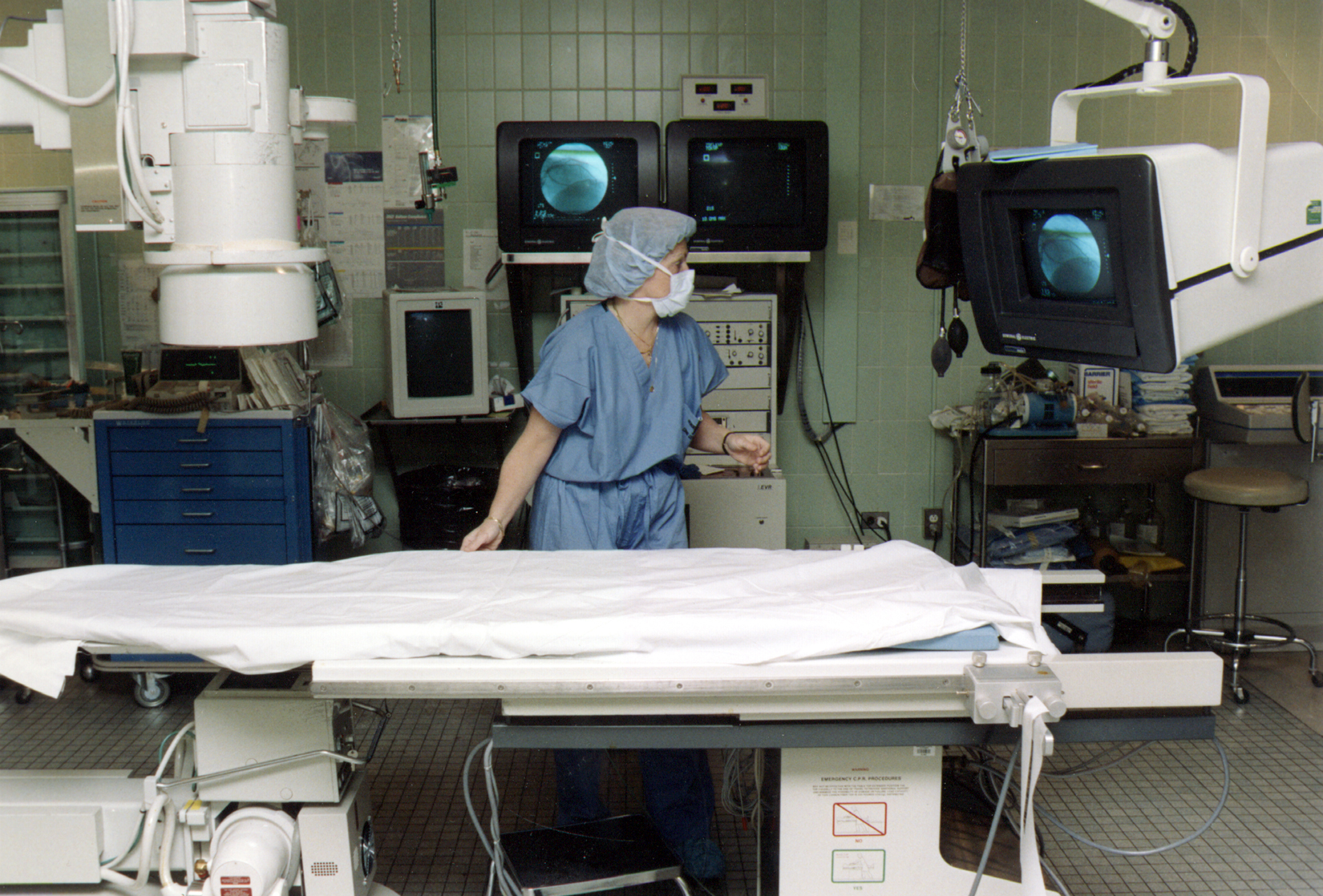
The first advanced, fully-computerized cardiac catheterization laboratory opened in 1986. Today, cardiac catheterization is the most widely performed procedure at Deborah Heart and Lung Center, used both as a diagnostic and interventional tool.
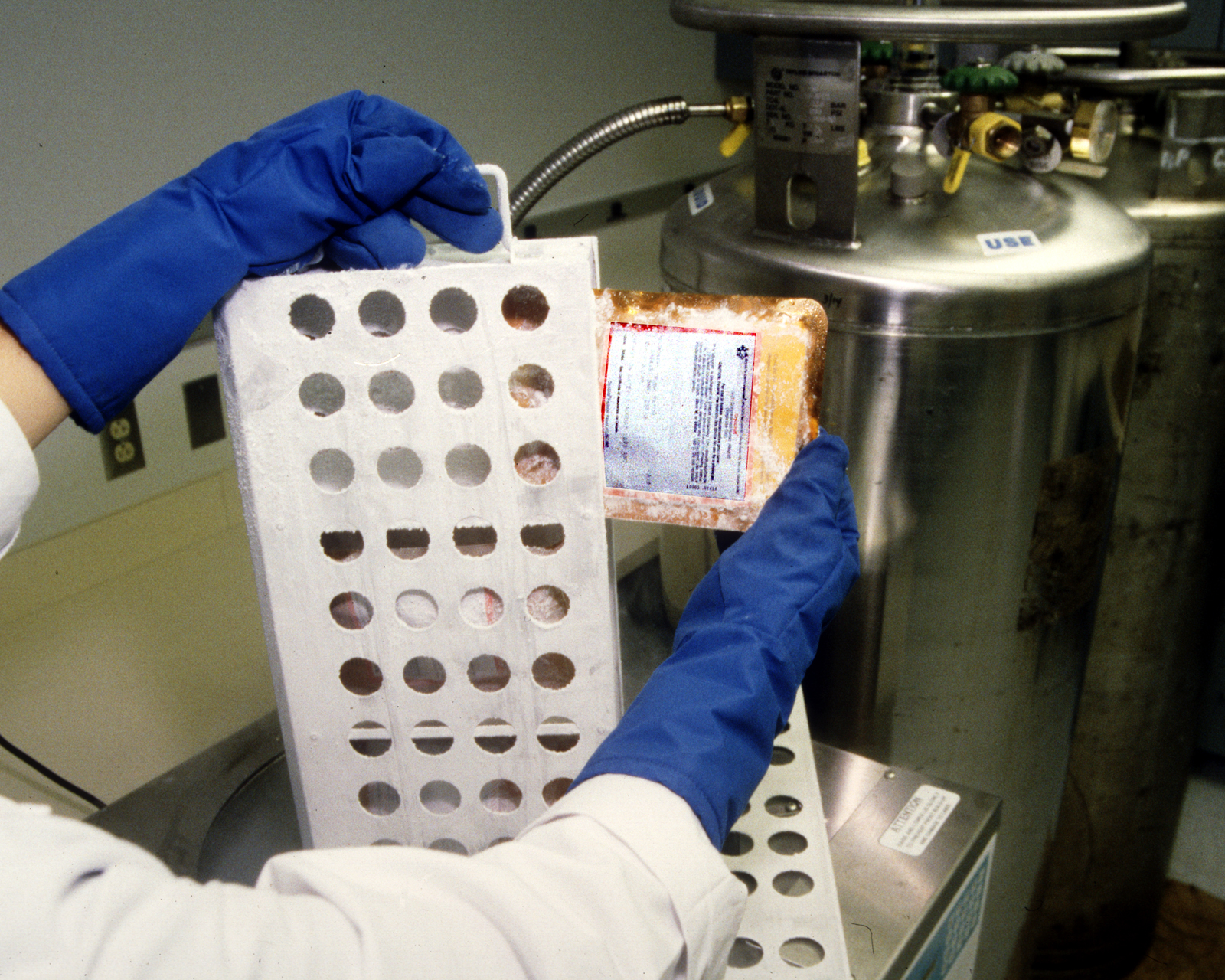
Deborah Heart and Lung Center established the first human heart valve bank in the Northeastern United States in 1986. Led by the clinical research institute, Deborah was the first in the region to perform human valve transplants used in replacement and reconstructive cardiac surgery.
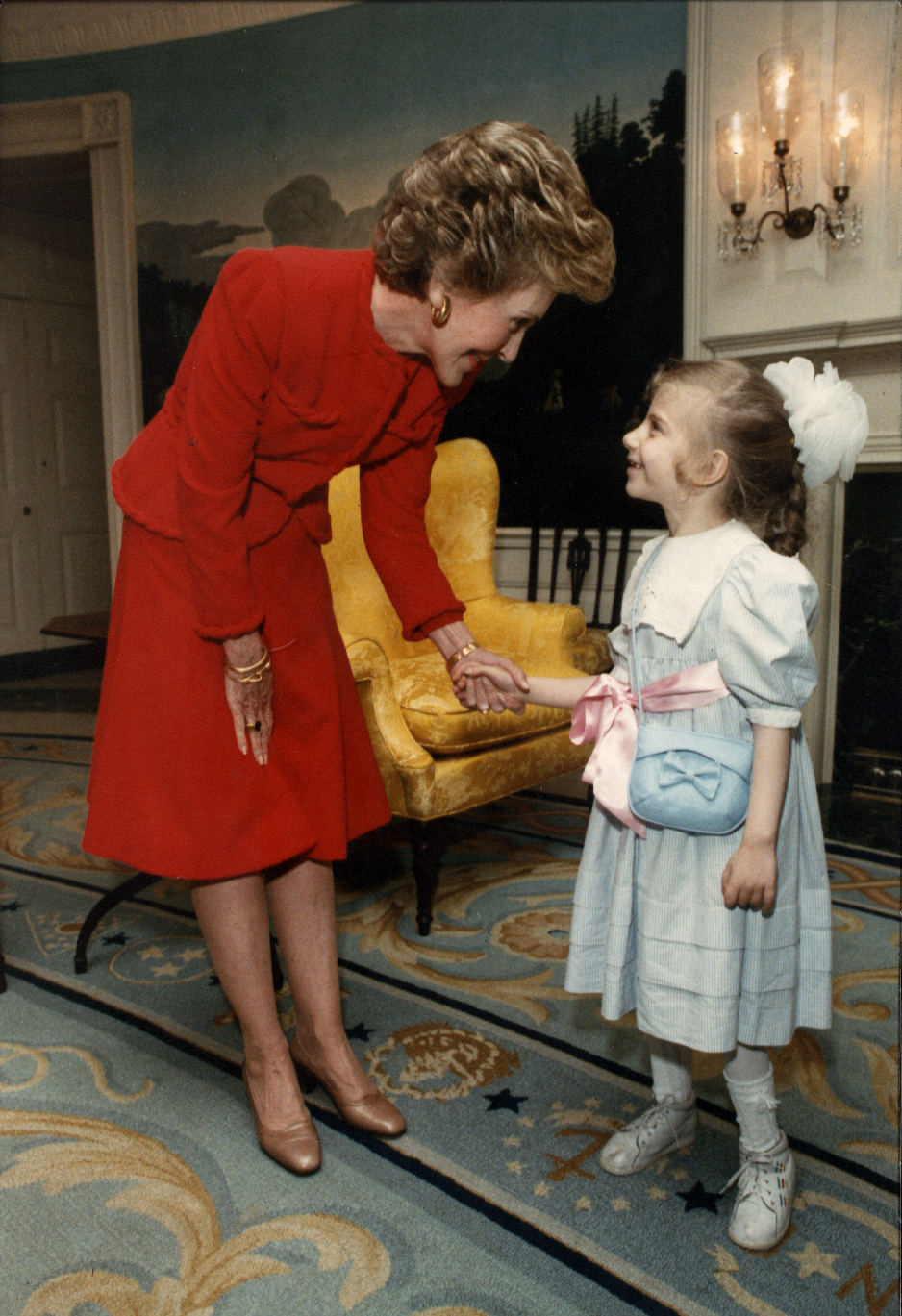
Maya Shrago was the first of six children from the Soviet Union to receive treatment at Deborah through its Children of the World Program. At the height of the 80s more than 1,200 children from 40 nations travelled to Deborah for medical treatment.
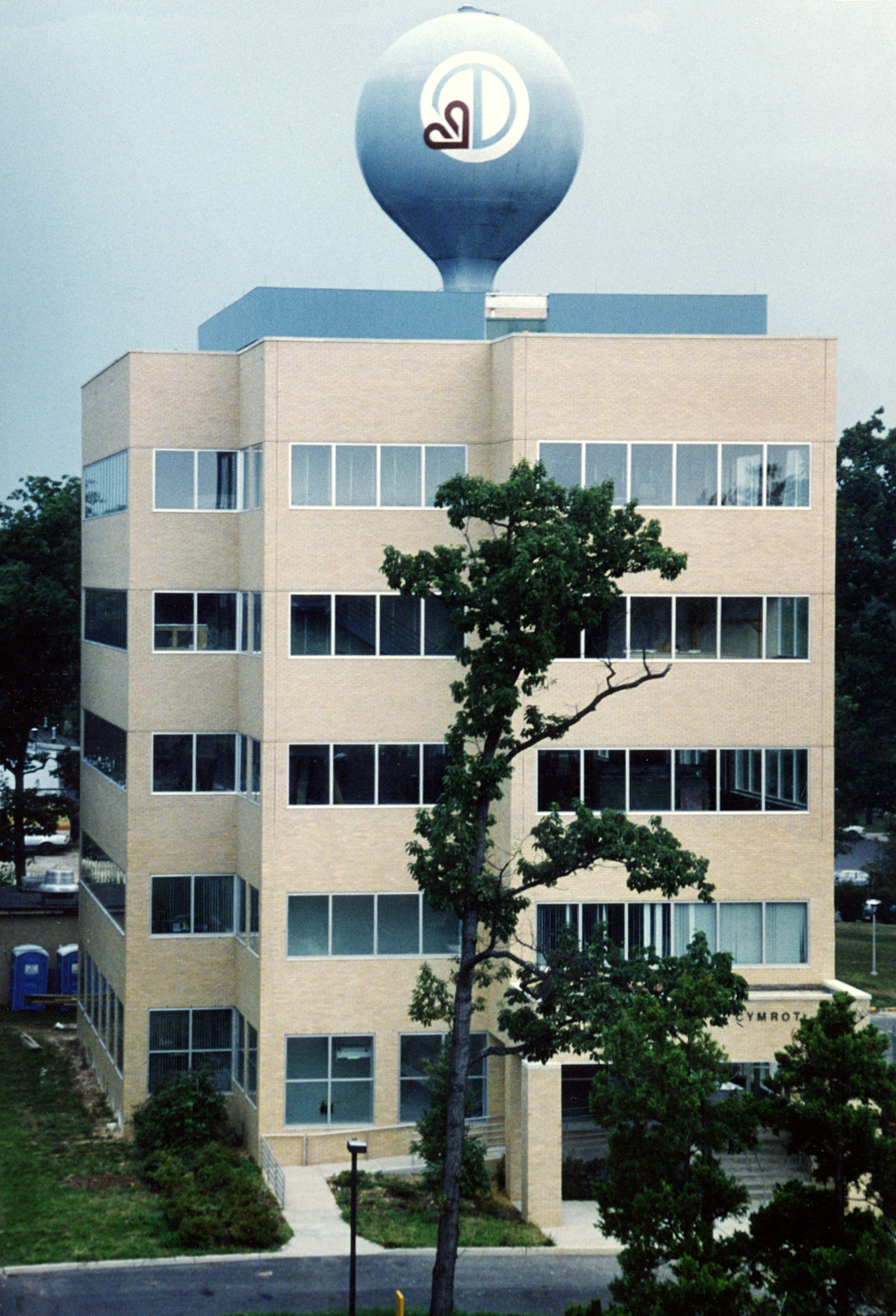
Eva Cymrot from Fort Lauderdale Florida donated $1 million in the name of her deceased husband, Alexander E. Cymrot, for the two-story, 15,000-square-foot office building now the headquarters of the Deborah Hospital Foundation.
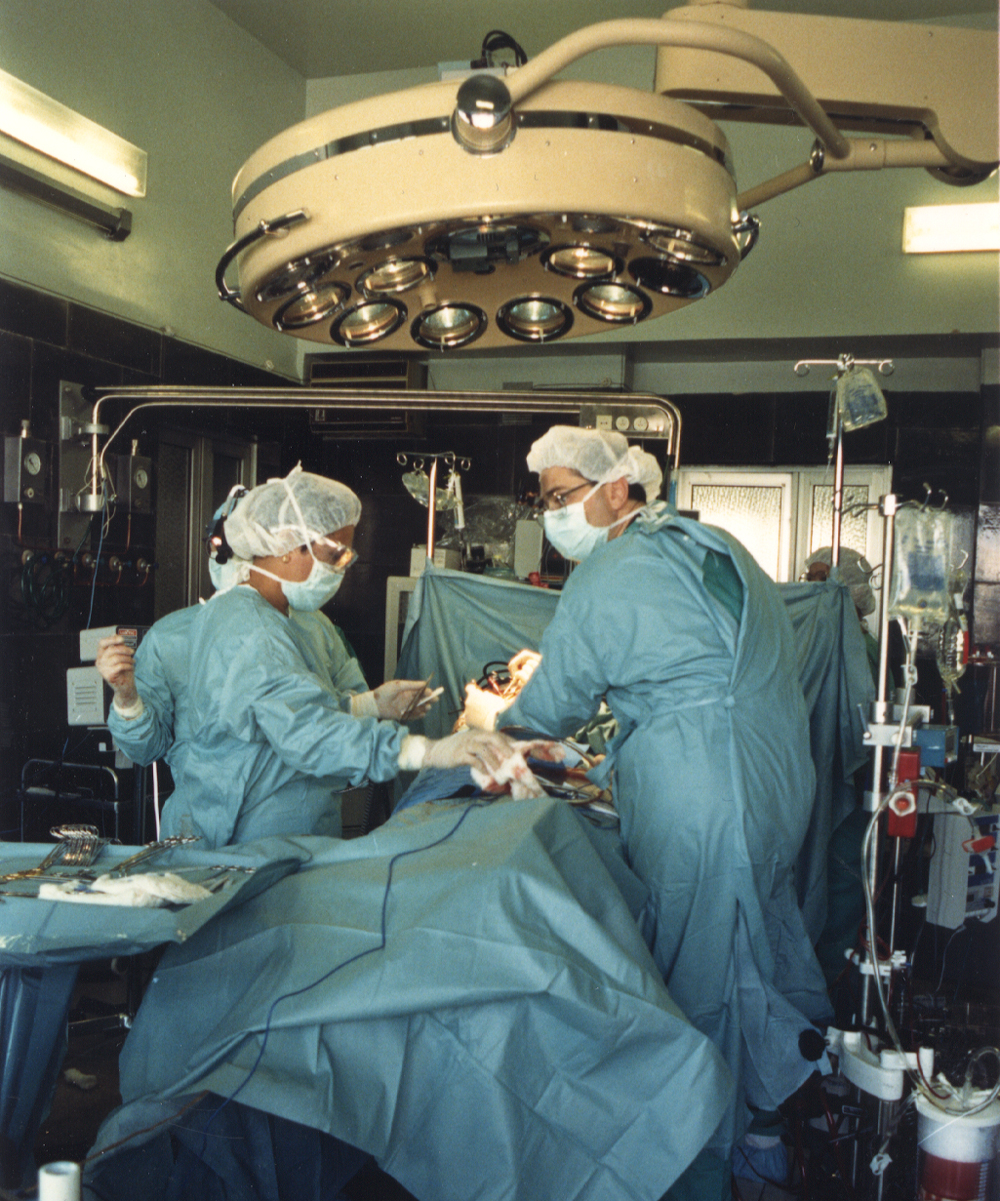
A 40-member medical, surgical and support team traveled to Georgian Soviet Socialist Republic to perform open heart surgery at a children’s hospital there. The Deborah team performed 19 procedures during their week-long mission, providing aftercare for patients, sharing methods and techniques with their Georgian counterparts.
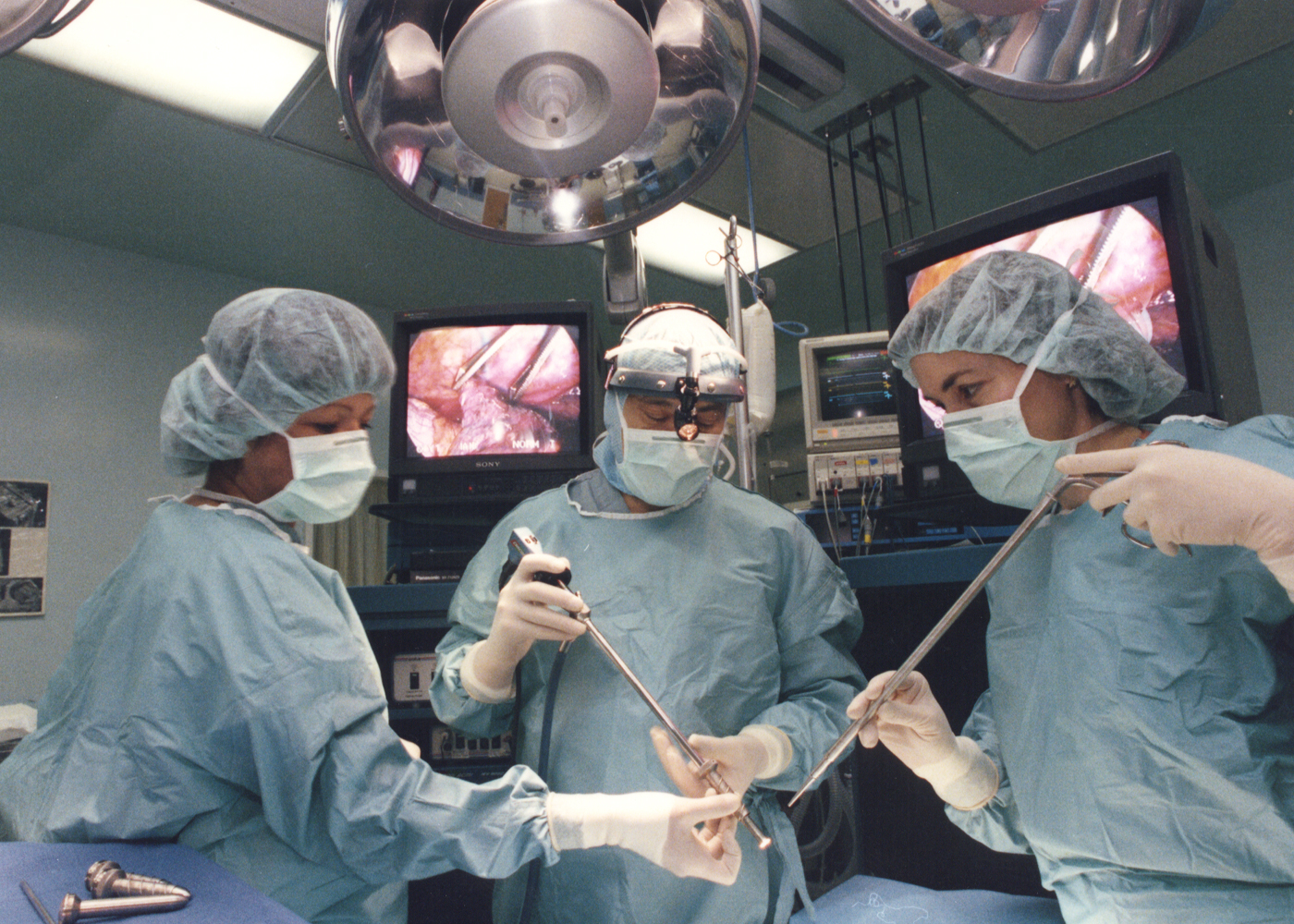
Video-assisted thoracoscopic surgery (VATS) using fiber optic technology to diagnose and treat problems in the chest become available at Deborah. A tiny camera called a thoracoscope is inserted into the chest through a small incision. This procedure offered patients a less invasive surgical option for lung biopsy and tumor removal and greatly reduced recovery time.
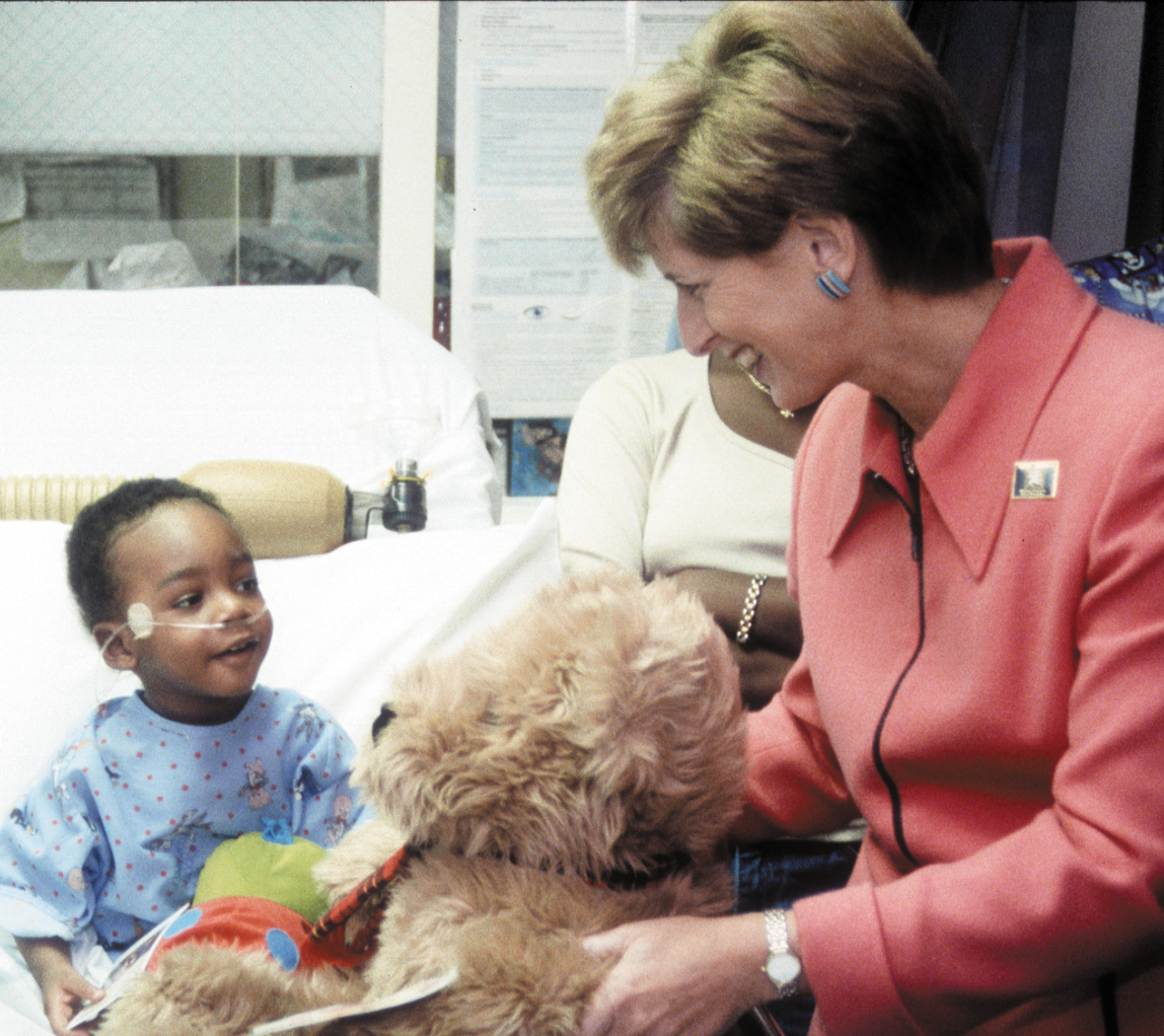
Former New Jersey Governor Christine Todd Whitman visits Deborah’s pediatric unit “bearing” gifts – teddy bears, donated by Toys “R” Us. Whitman served as New Jersey’s 50th and first female governor of New Jersey from 1994 to 2001.
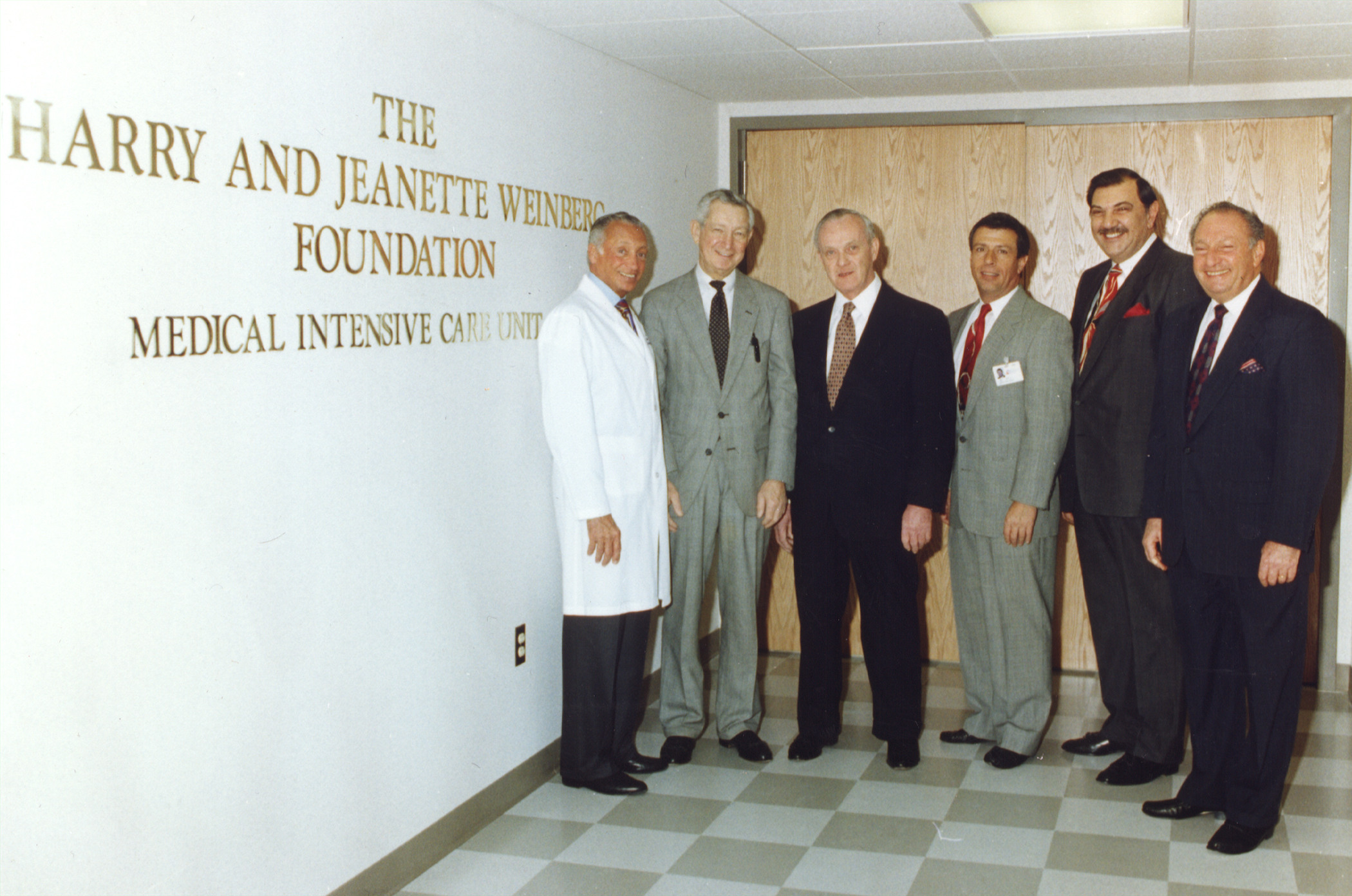
An integral role in Deborah’s capital expansion that year, The Harry and Jeanette Weinberg Foundation awarded a $1.2 million grant to build a new medical intensive care unit. Today the MICU continues to care for critically ill patients because of the Weinbergs’ generous gift.
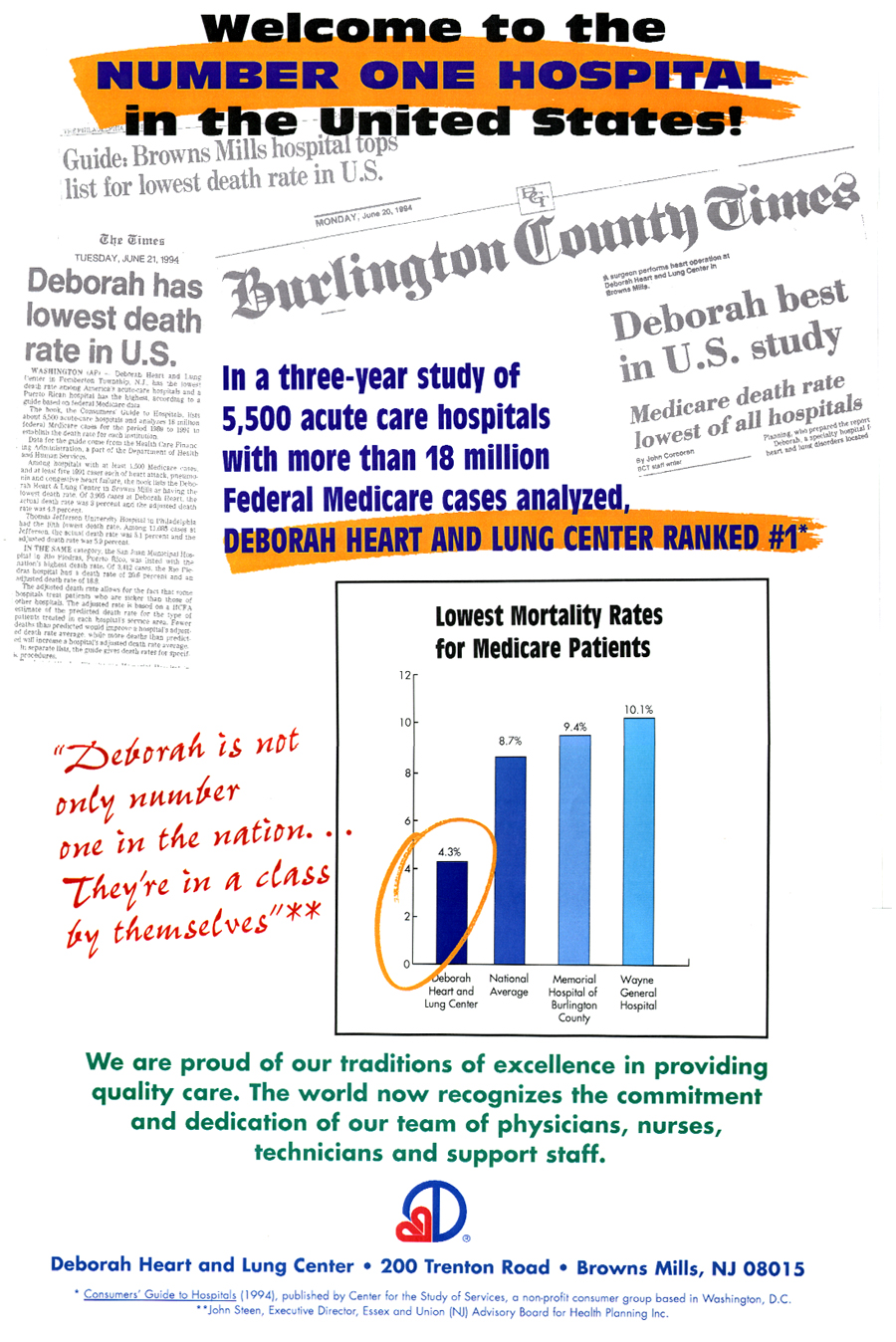
Consumer’s Guide to Hospitals published a three-year study of 5,500 acute care hospitals which evaluated 18 million Medicare cases and ranked Deborah Heart and Lung Center #1 and lowest in mortality rates for Medicare patients.
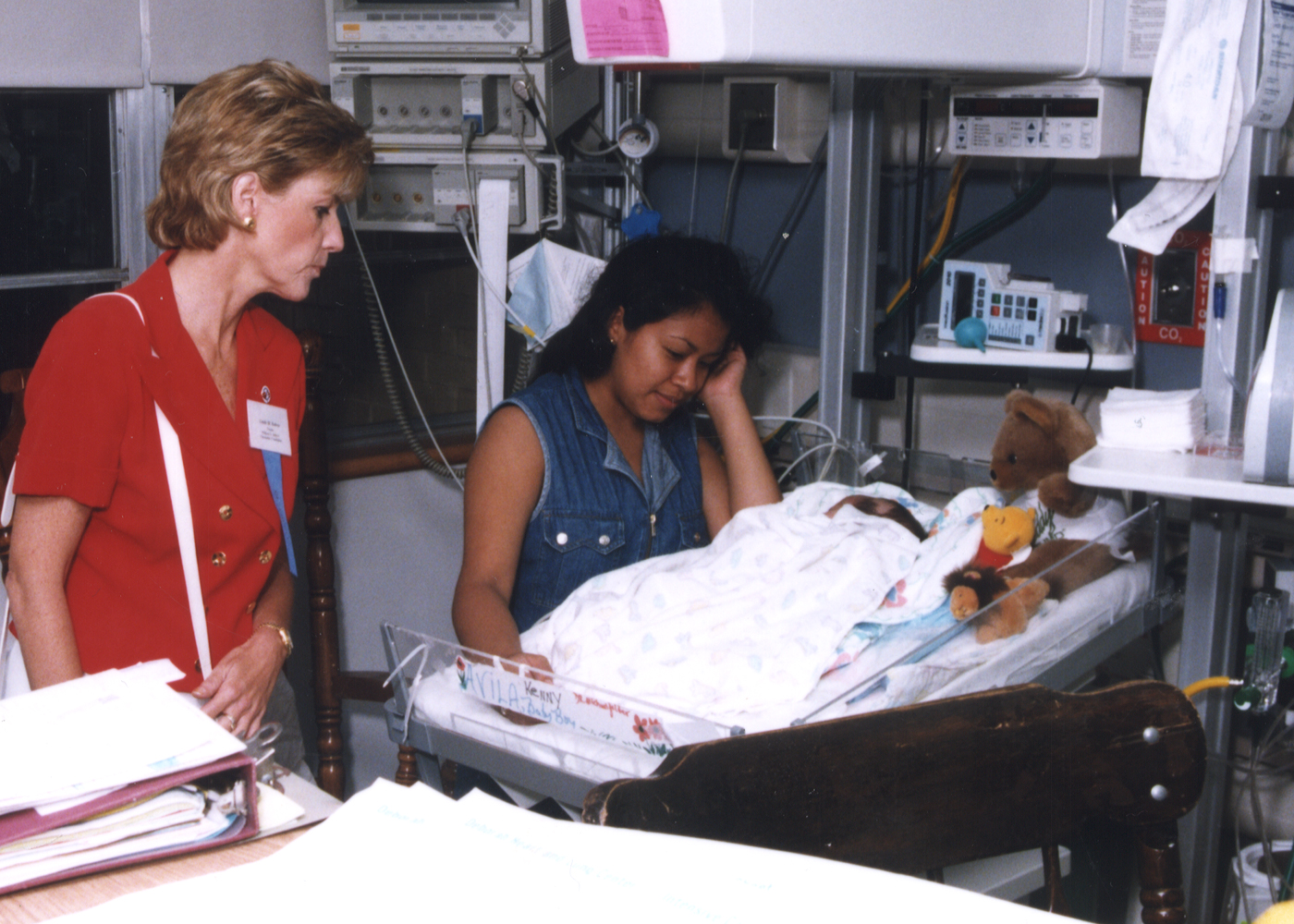
In May 1997, Deborah opened the William G. Rohrer Neonatal and Pediatric Cardiac Surgical Unit, which was made possible by a gift from the William G. Rohrer Charitable Foundation. The eight-bed unit, which provides critical pre- and post-operative care to newborns, infants and children, was formally opened and dedicated by Linda Rohrer, Rohrer Foundation trustee, and daughter of the late businessman and philanthropist, who was also a former Deborah Executive Board Member.
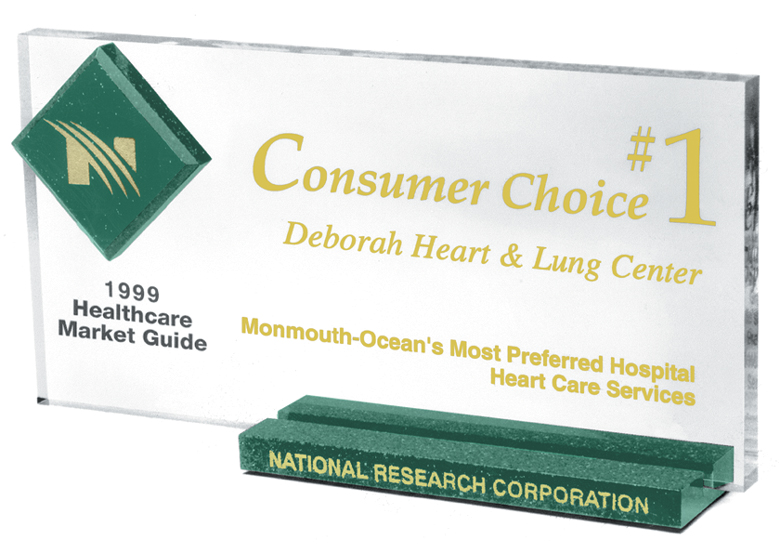
December 1999, National Research Corporation (NRC) names Deborah Heart and Lung Center one of the nation’s top hospitals for heart care.
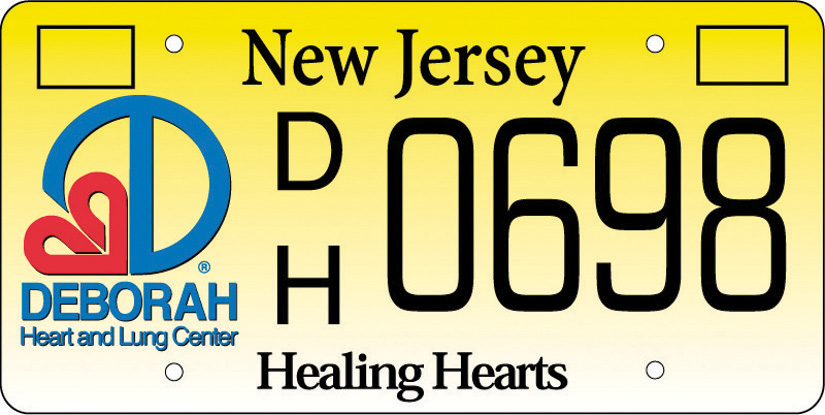
Deborah Heart and Lung Center raises funds for the Deborah Hospital Foundation with their very own license plate issued by New Jersey Motor Vehicle Commission. The license plate bears the Deborah logo along with the phrase, “Healing Hearts.”
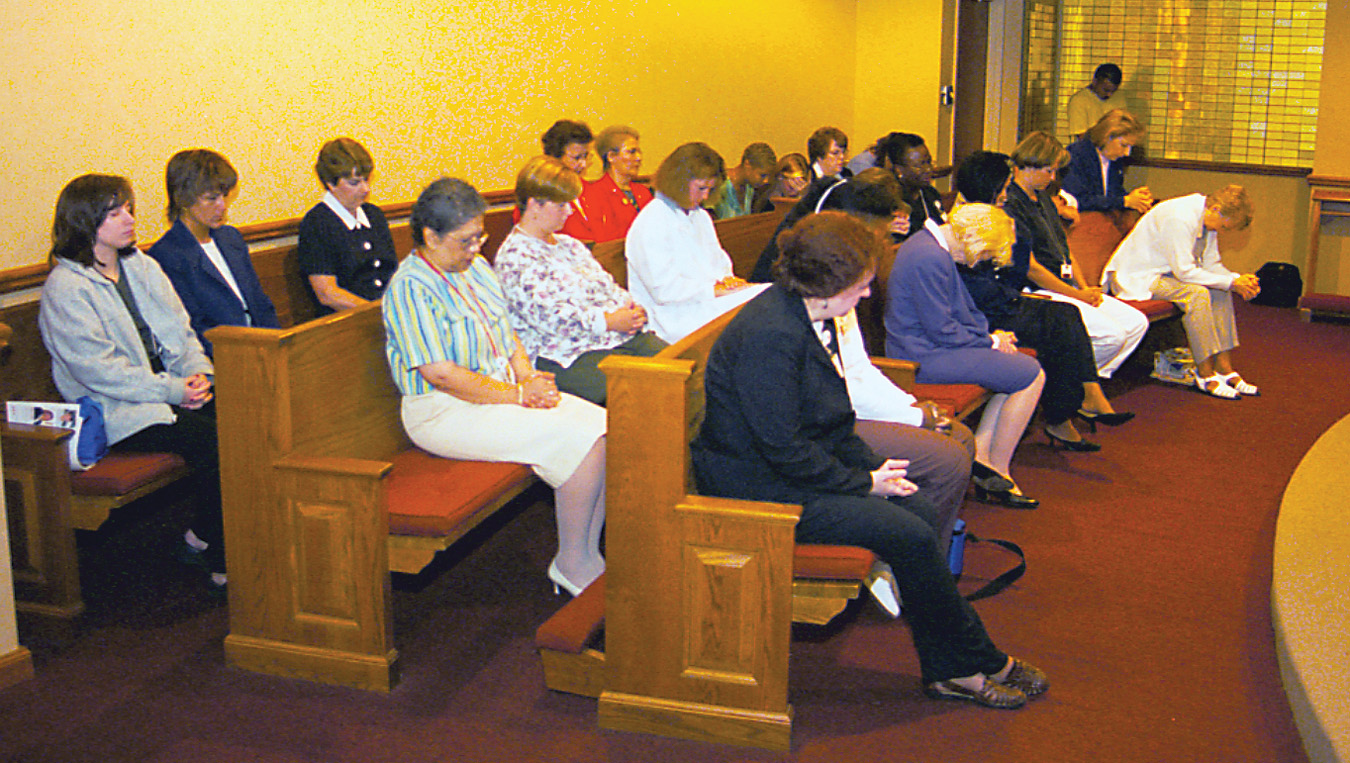
The Deborah team attends a prayer service held in the hospital chapel to honor the victims of the terrorist attack at the World Trade Center, Pentagon and Shanksville Pennsylvania on September 11, 2001.
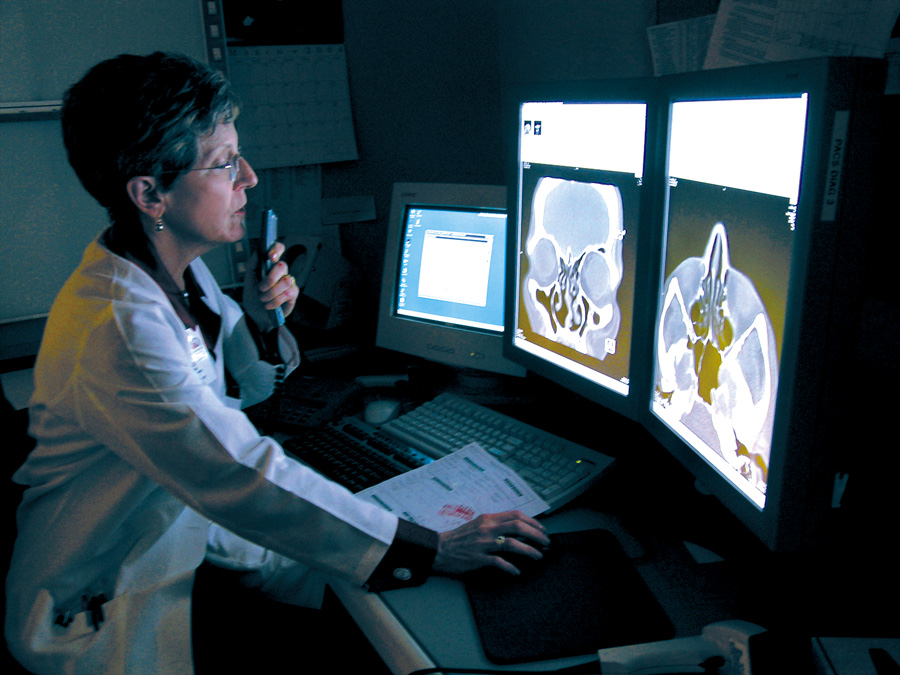
Radiology converts completely to a digital imaging system allowing clinicians to view x-ray, ultrasound and computerized tomography (CT) images on computers throughout the hospital. Gone are the days of cumbersome X-ray folders.
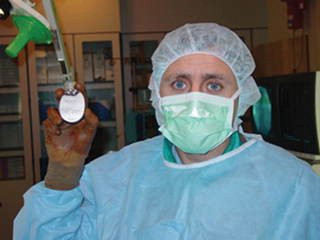
Patients suffering from atrial fibrillation, a form of abnormal heart rhythm obtain groundbreaking care thanks to advances in cardiac electrophysiology. In 2002, Raffaele Corbisiero, MD implanted two of the smallest implantable cardioverter defibrillators (ICD) and pacemakers in the world at Deborah Heart and Lung Center.
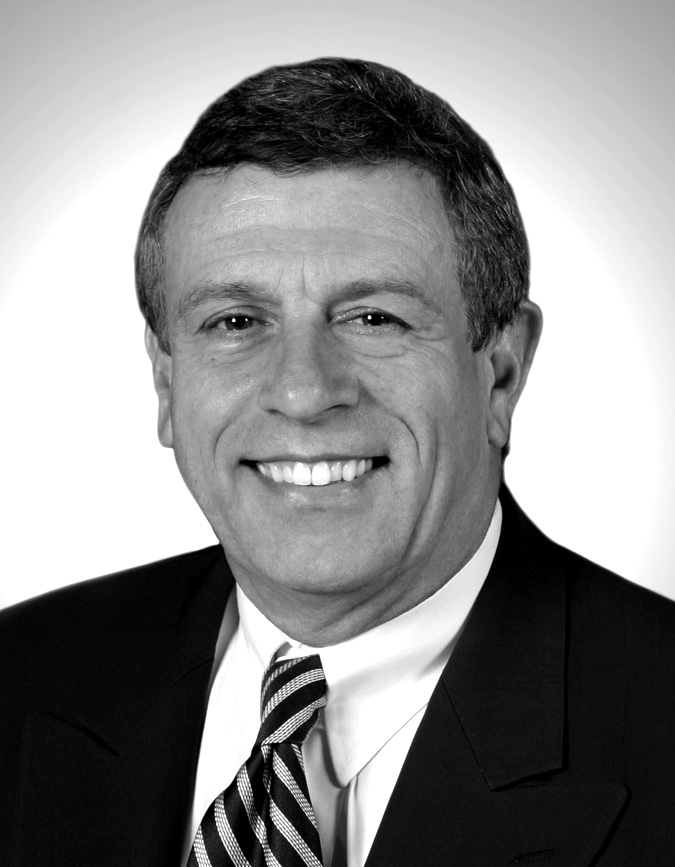
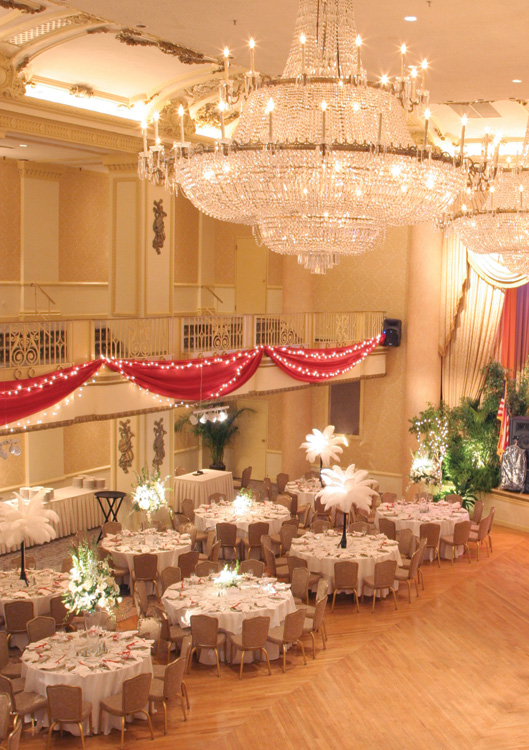
The Annual Red Tie Gala is the Foundation’s largest fundraiser of the year and supports heart, lung and vascular care at Deborah Heart and Lung Center.
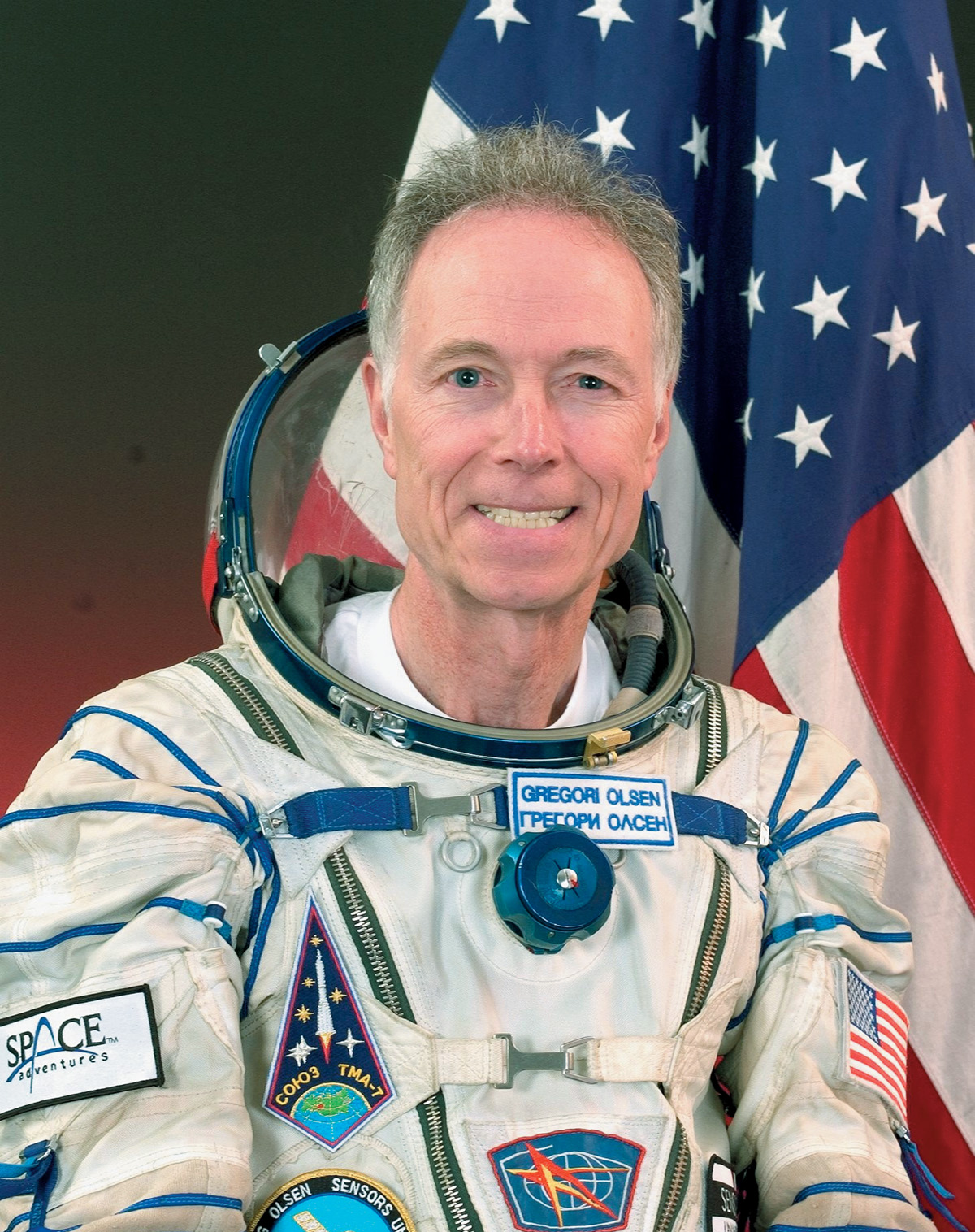
Entrepreneur, engineer and scientist Gregory Olsen sought care at Deborah to obtain medical clearance for his planned trip to the International Space Station. One of three private citizens able to travel to space that year, Olsen required several procedures to protect his lungs during his trip.
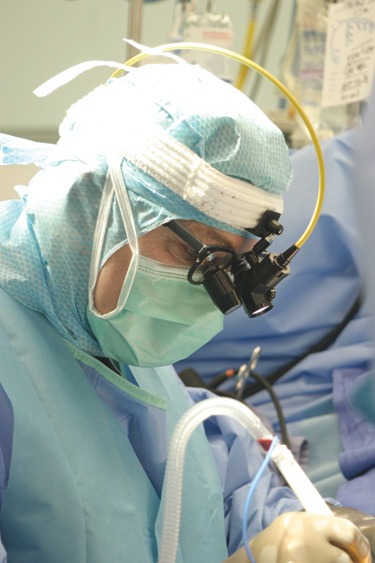
Lynn B. McGrath, MD surpassed his 10,000th open-heart surgery procedure – achieving a professional milestone joining an elite group of cardiothoracic surgeons worldwide.
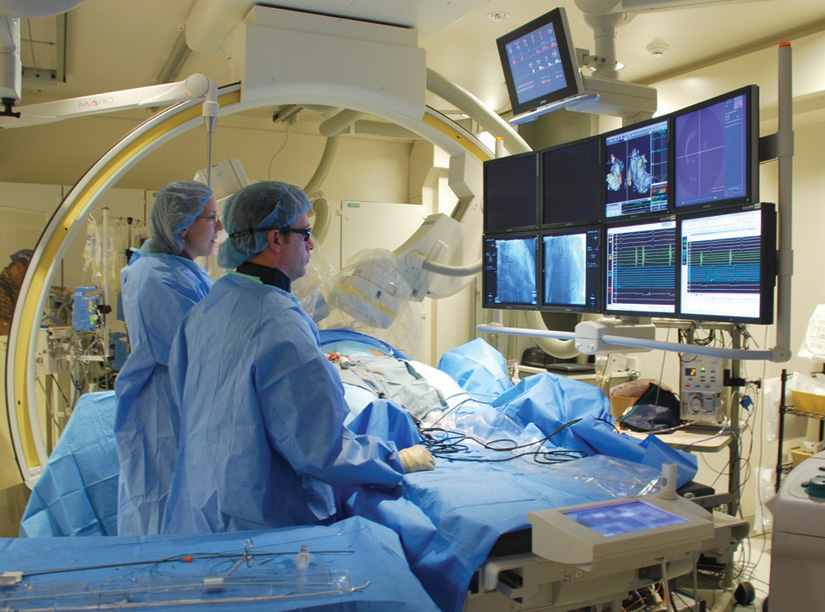
Cameras rotate around a patient to provide real-time, high-definition, 3D images of blood vessels and soft tissue.
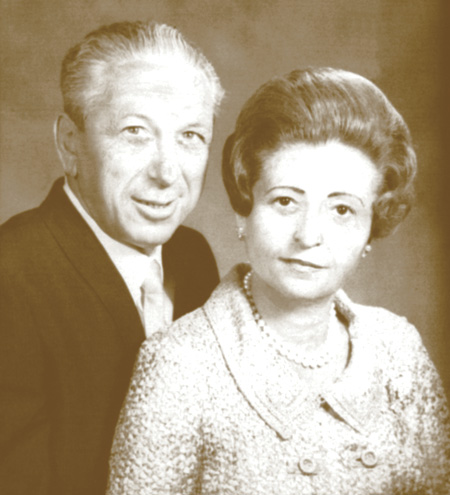
In 2010 when his mother, Edith, passed away Jim Klinghoffer made a generous donation to the Deborah Hospital Foundation in honor of his parents. Deborah acknowledged this gift by naming The Harry and Edith Klinghoffer Administration Services Building as a tribute to the Klinghoffer family.
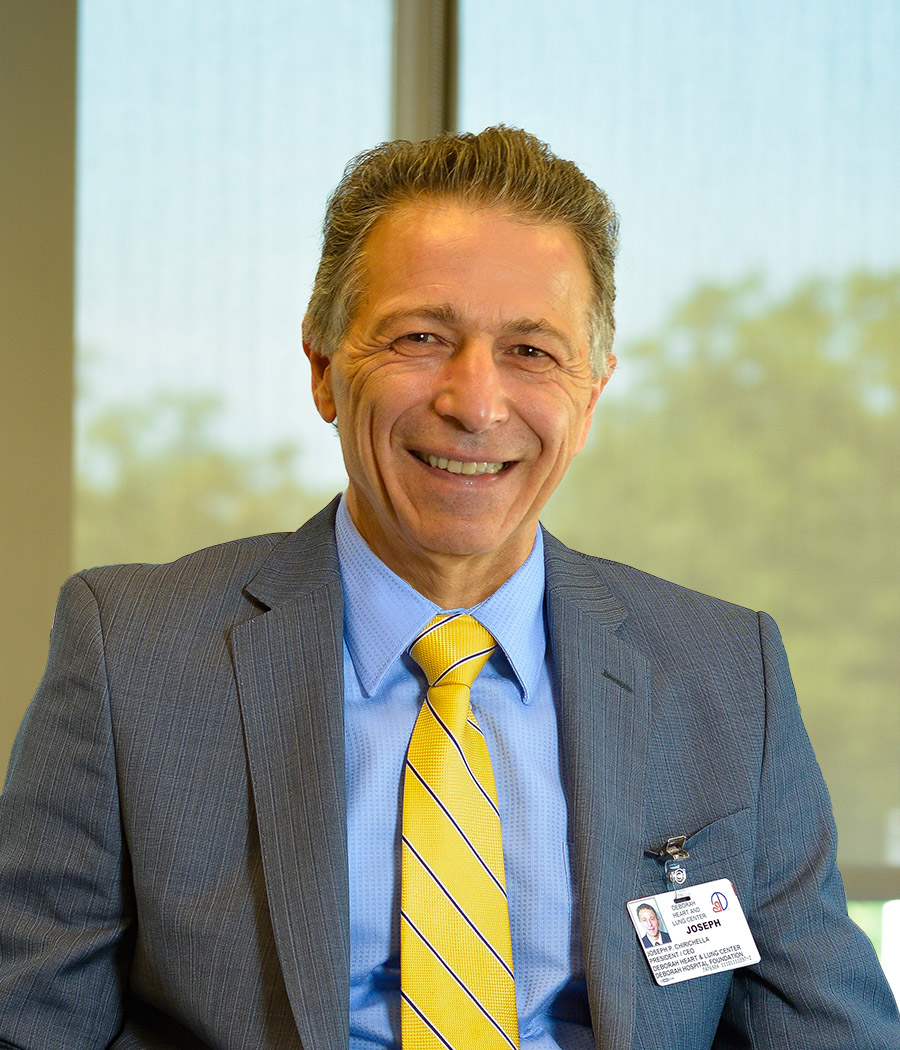
Joseph Chirichella, President and Chief Executive Officer was appointed in 2011.
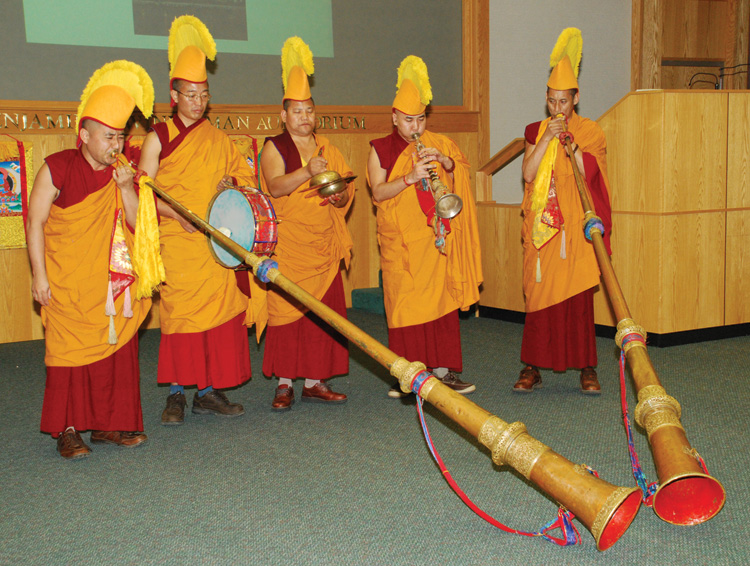
Eight of the Dalai Lama’s emissary Tibetan monks performed as part of Drepung Gomang Institute Sacred Arts Tour at Deborah in 2011. The monks performed a traditional Tibetan hospital blessing and Good Luck Dance. Deborah was selected as a tour stop because of its history fighting tuberculosis, a prevalent health problem in Southern India where the Monks have a monastery in exile from Tibet.
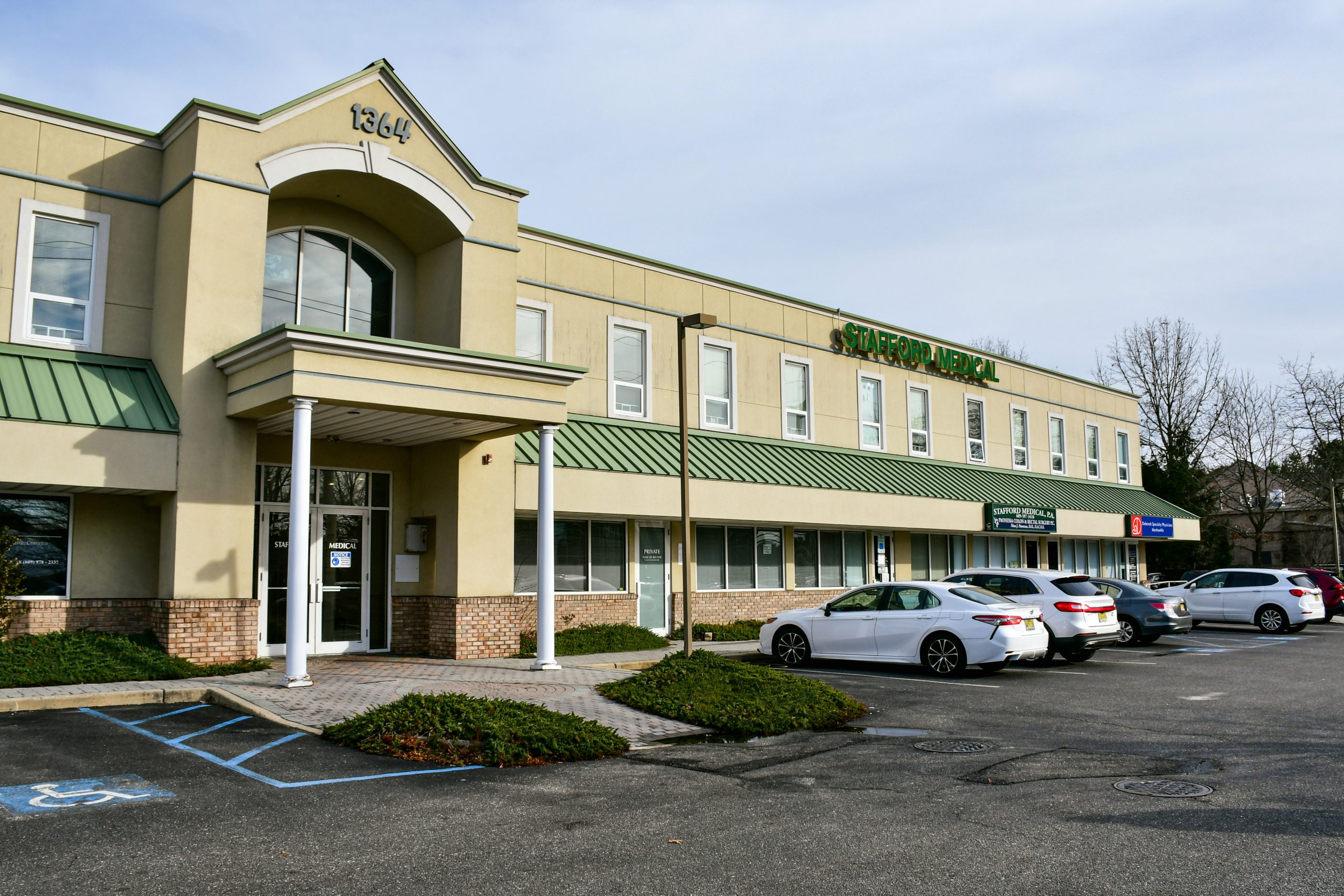
Deborah Specialty Physicians opens in Manahawkin, NJ to provide care to patients in Ocean County.
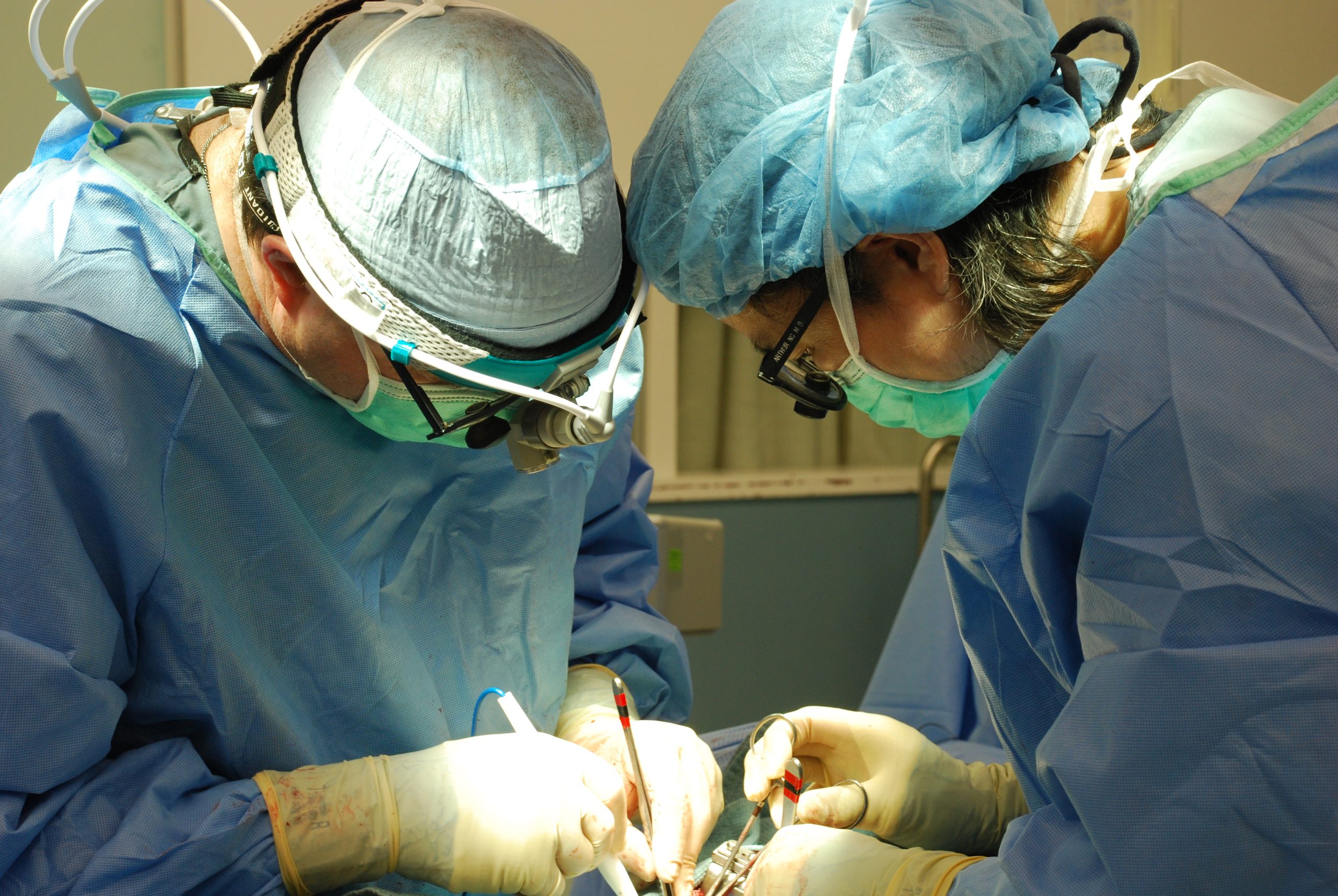
Deborah named among Becker’s Hospital Review’s “100 Hospitals With Great Heart Programs.”
The logo continues to evolve while incorporating elements from prior versions like the signature heart and lungs and red and blue colors.
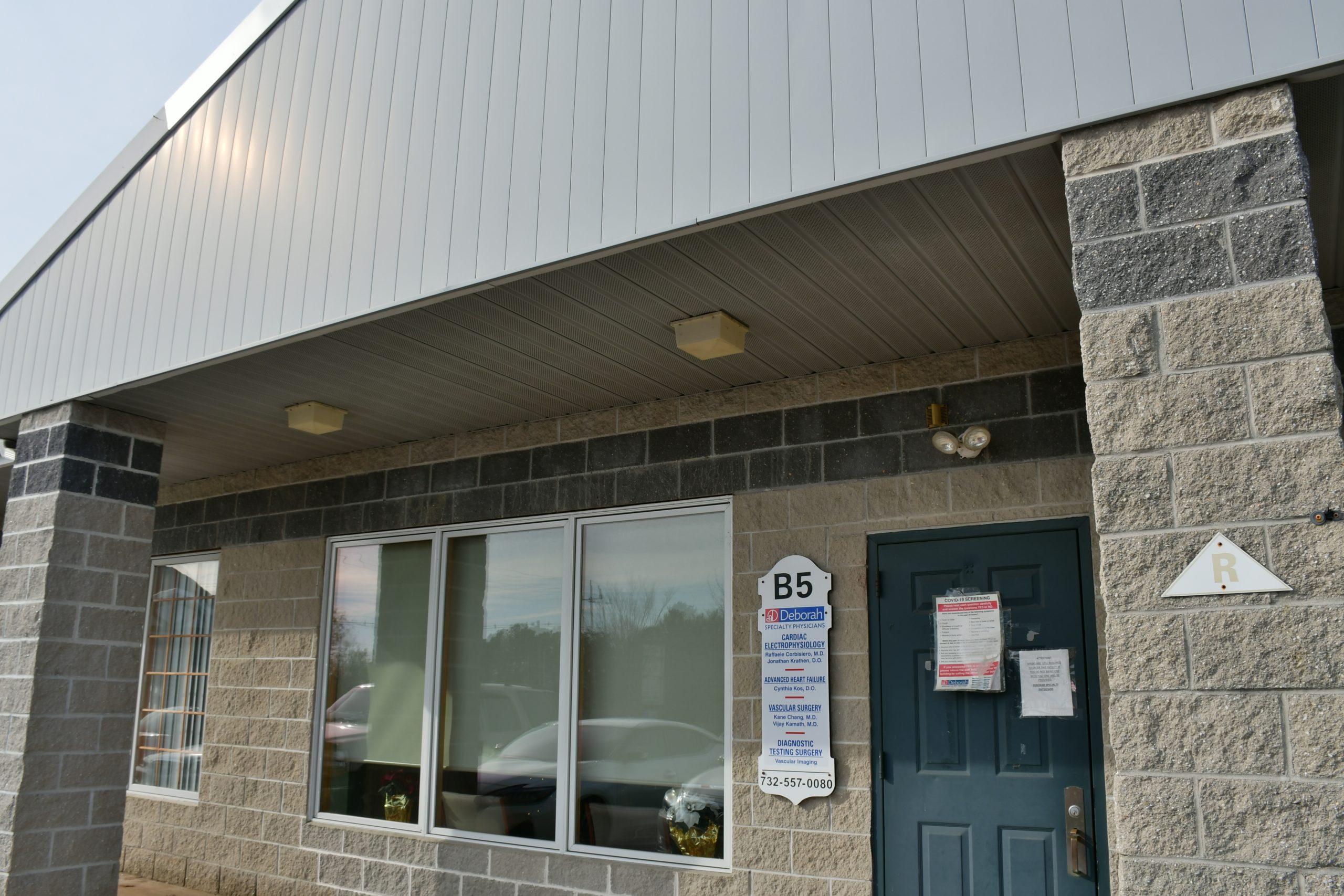
Deborah Specialty Physicians opens in Toms River, NJ to provide care to patients.
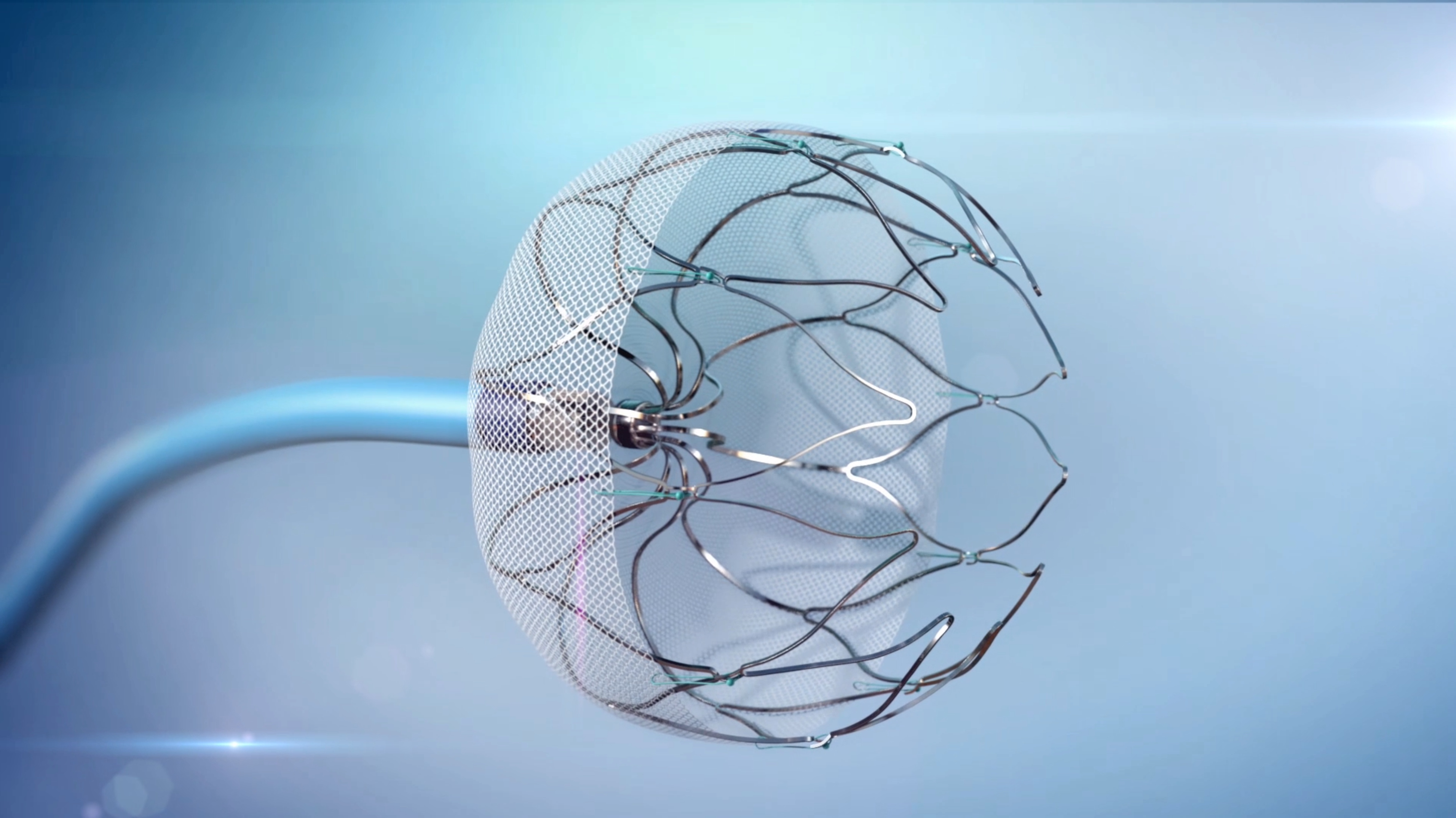
Deborah Heart and Lung Center was among the first in the region to implant the FDA-approved WATCHMAN™ Left Atrial Appendage Closure (LAAC) Implant. This device is a breakthrough for patients with atrial fibrillation as an alternative to long-term warfarin medication therapy. The WATCHMAN™ Implant closes off the left atrial appendage to keep harmful blood clots within the left atrial appendage (LAA) from entering the bloodstream and potentially causing a stroke.
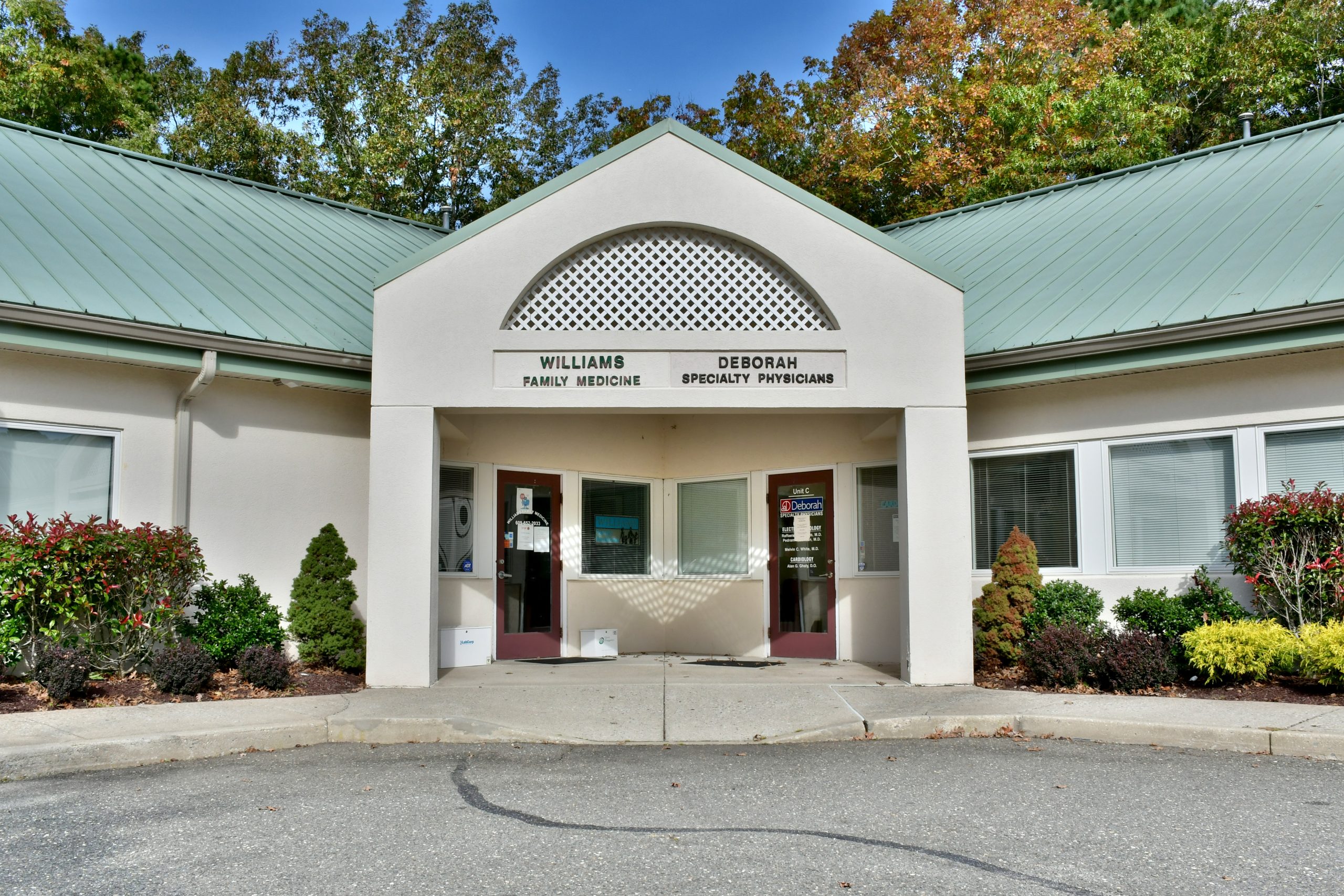
Deborah Specialty Physicians opens in Galloway, NJ to provide care to patients in Atlantic County.
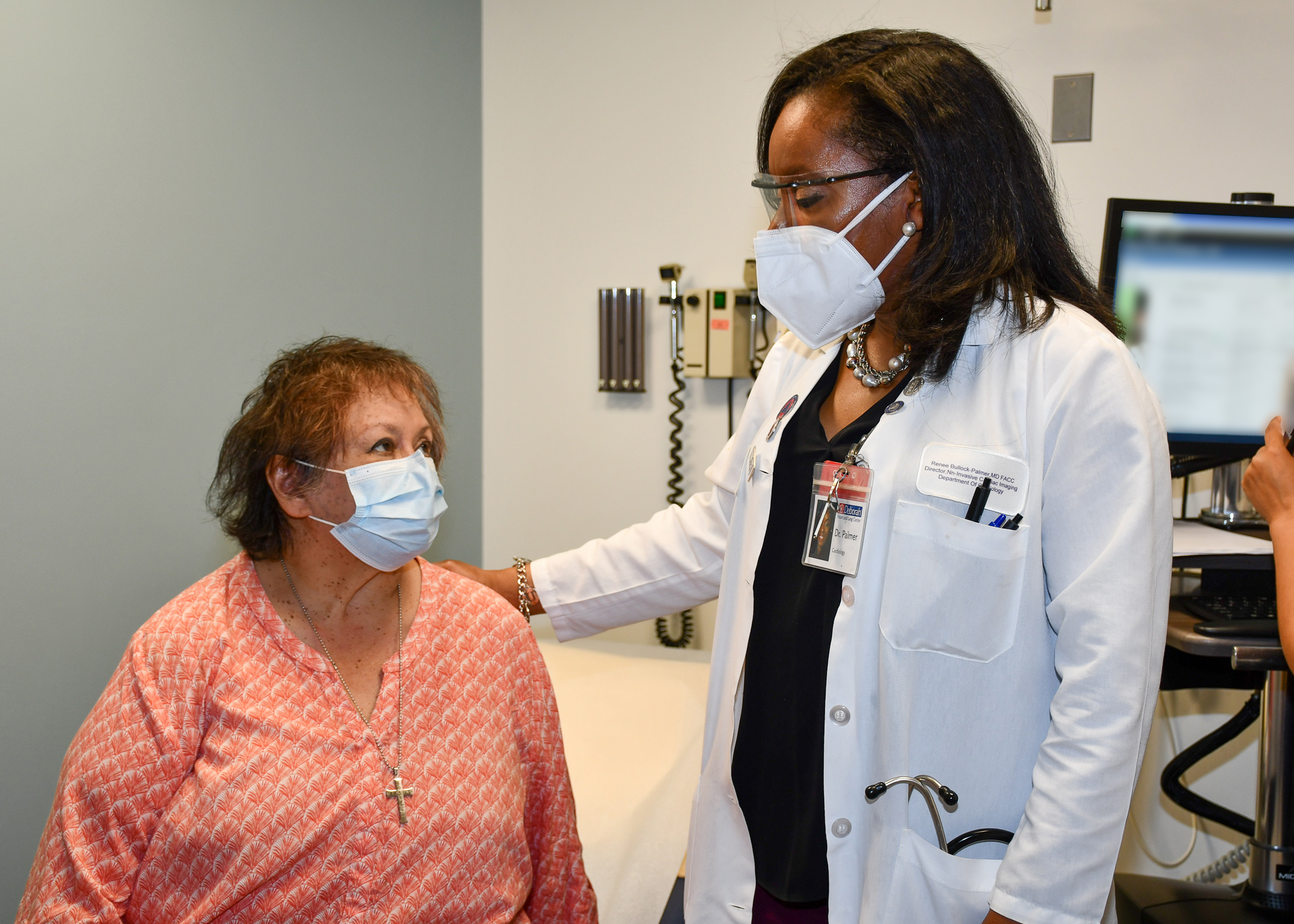
Because of the exceptional attention to patient care Deborah was named a 50 Top Cardiovascular Hospital by Truven Health Analytics, an IBM Company.
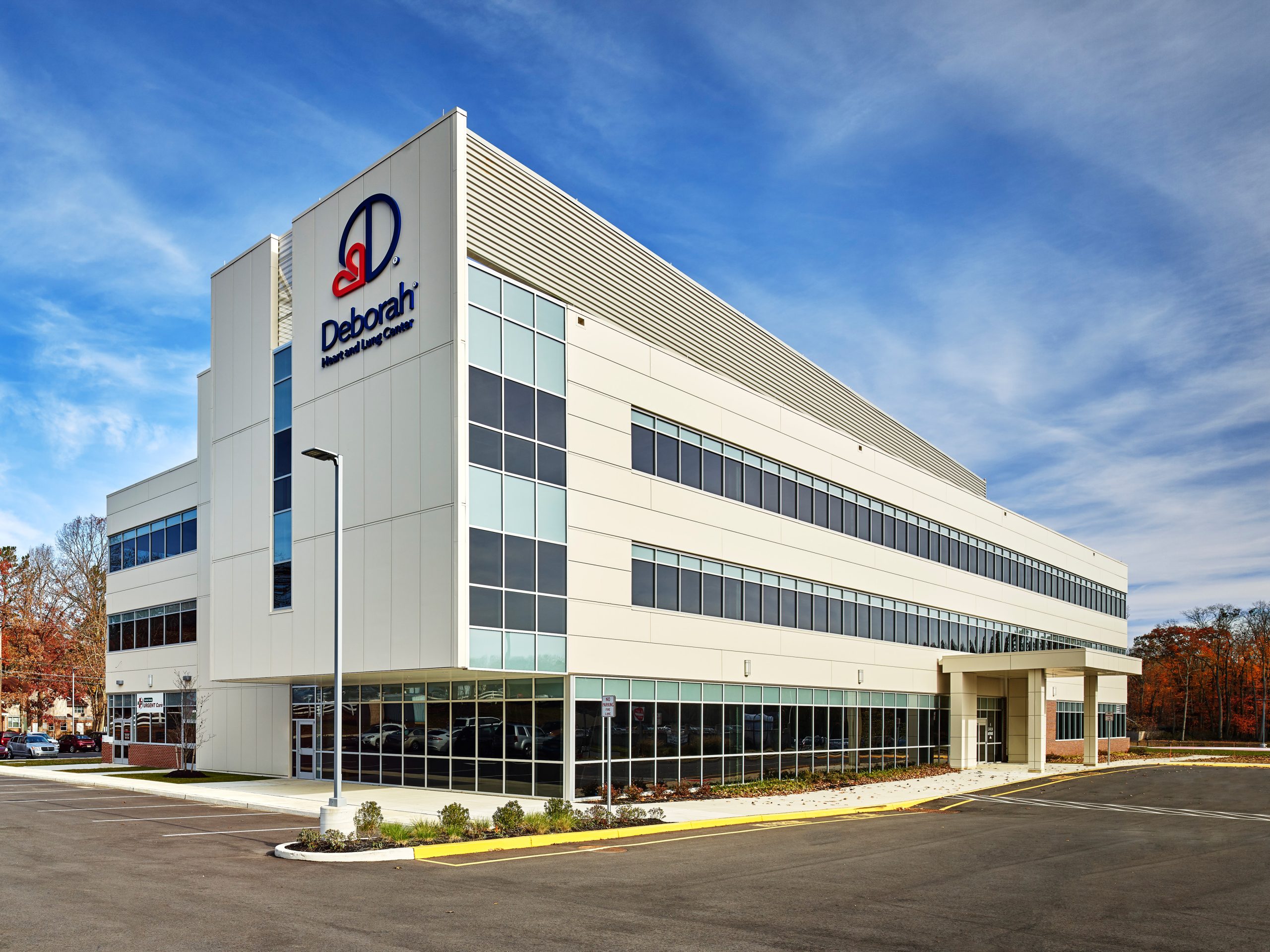
Deborah opens a medical office building on the Browns Mills campus to serve the needs of the community. The new facility brings much needed primary and specialty care services to the area.
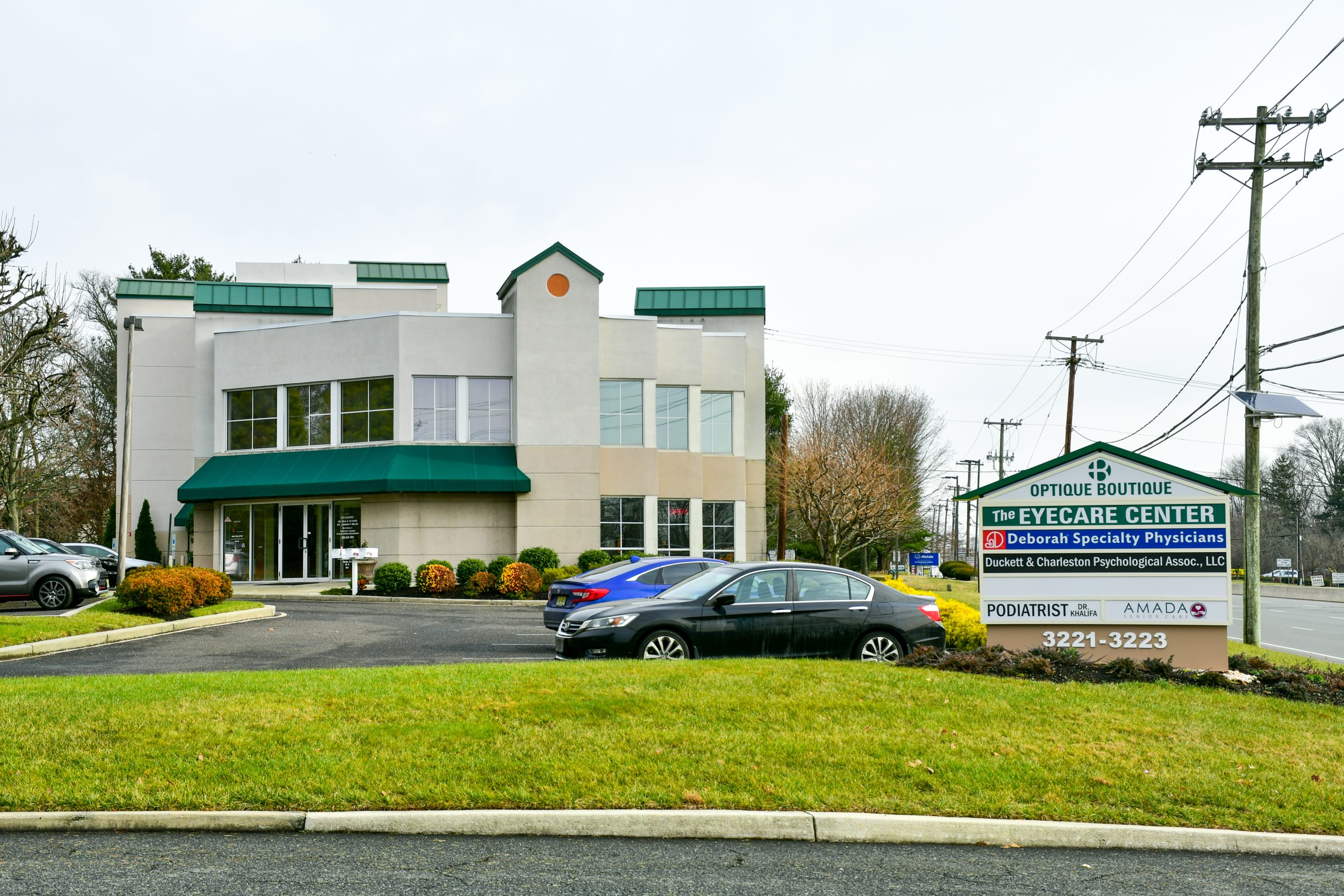
Deborah Specialty Physicians opens in Mount Laurel, NJ to provide care to patients.
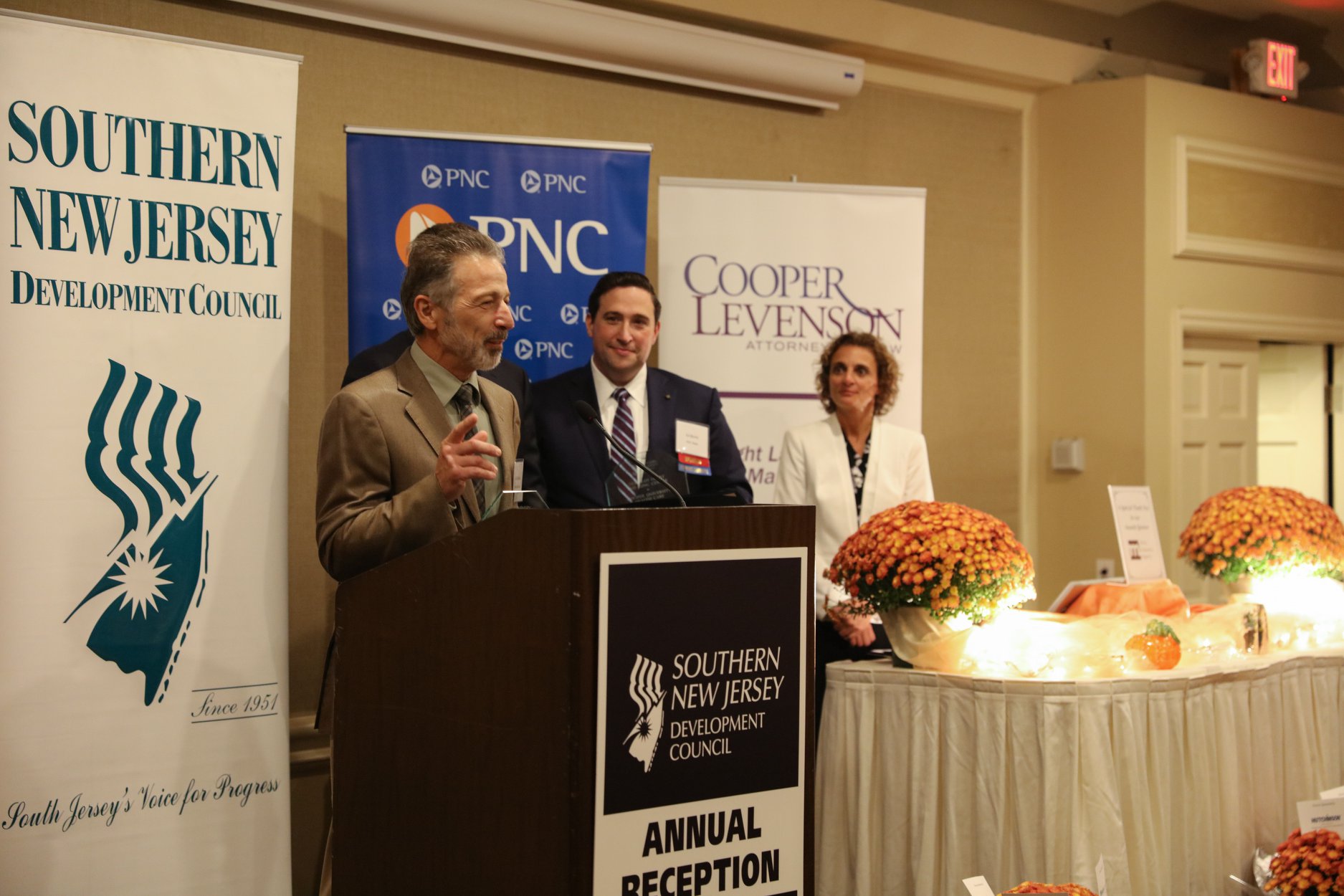
Veterans’ Health Initiative Award presented to Deborah and Cooper University Health Care for the HeroCare Connect Program.

Recognized as a PHL 17 Top Spots “Best Hospital” Winner, a customer nominated and viewer voted contest.
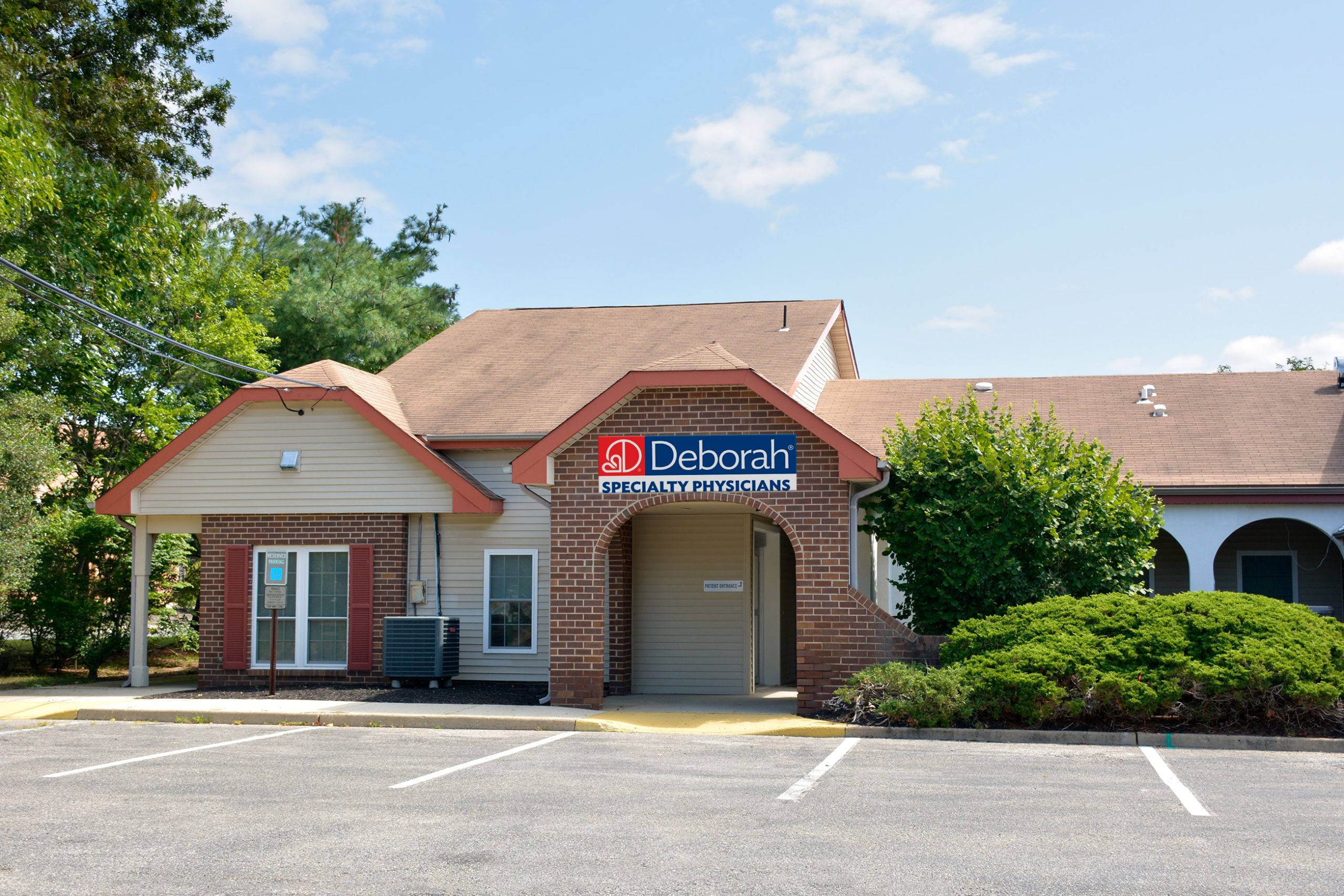
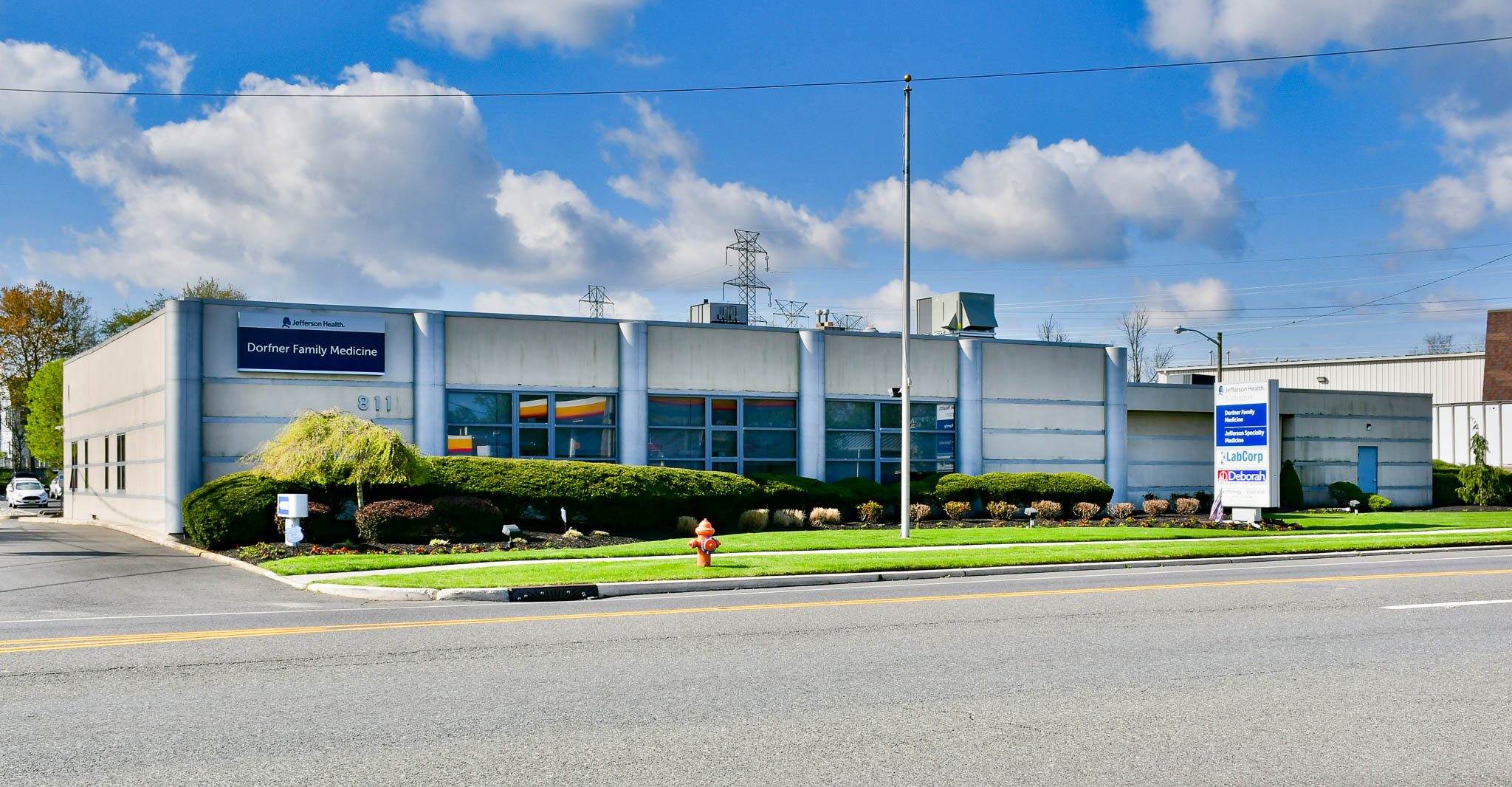
Deborah Specialty Physicians opens in Burlington, NJ to provide care to patients.
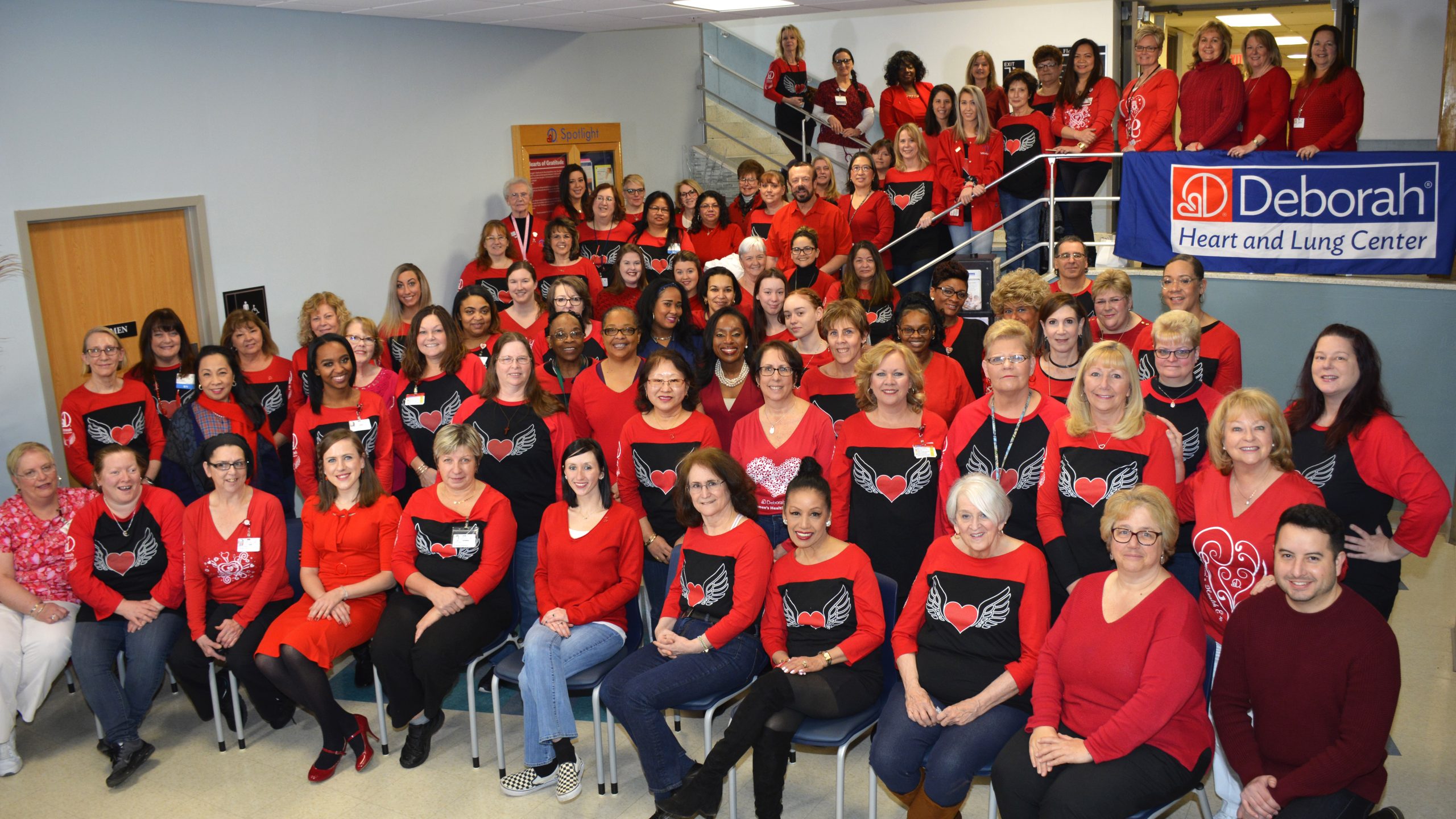
Each year during National Heart Month Deborah team members take part in National Wear Red Day®. This annual event unites millions of people around the world in the fight to eradicate heart disease and stroke.

OceanFirst Foundation’s 11th Annual Home Runs for Heroes Program presented the HeroCare Connect™ Program a check to support services for veterans, retirees, and active duty military.
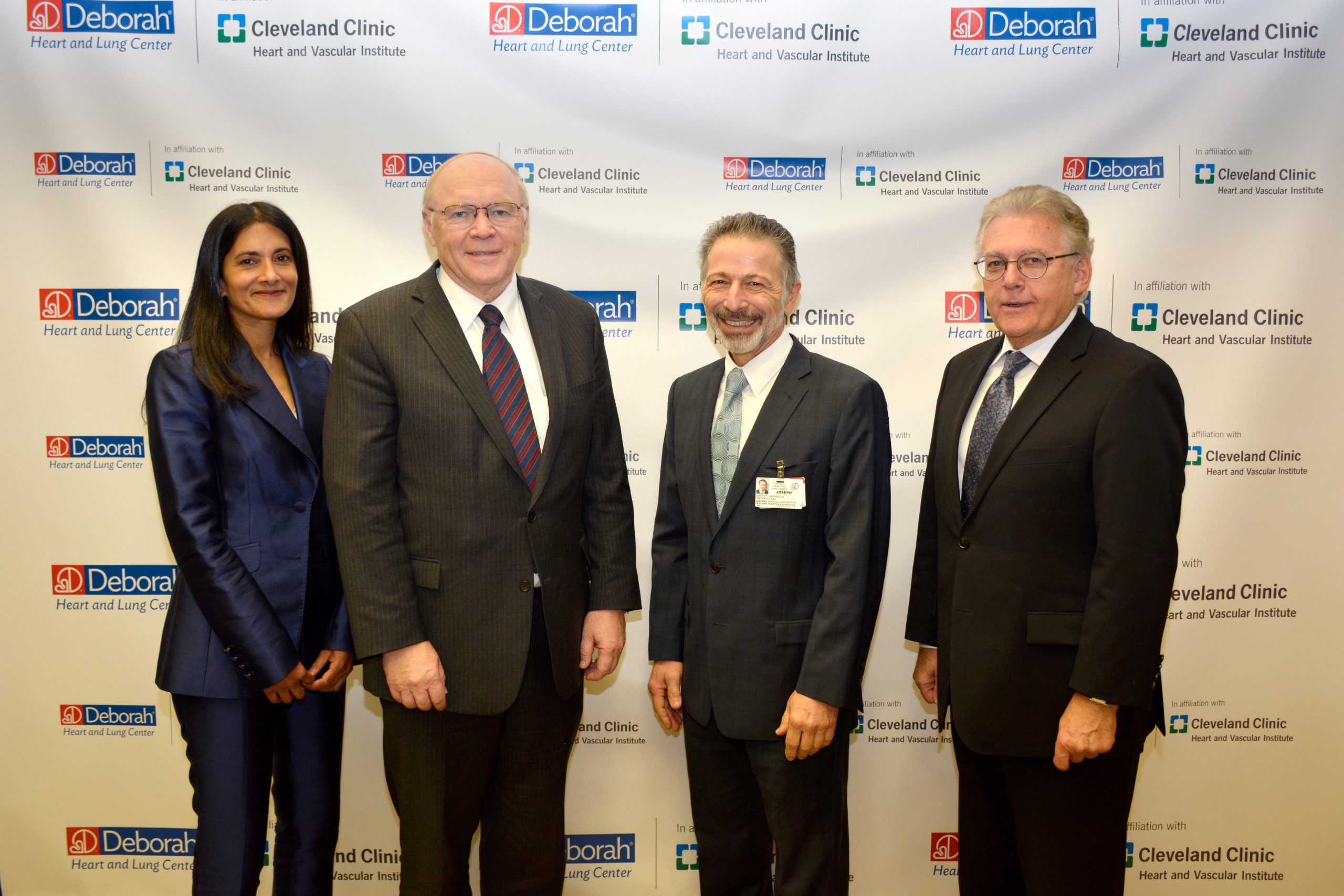
Deborah becomes the exclusive Cleveland Clinic Heart, Vascular & Thoracic Institute affiliate in Burlington, Camden, Atlantic, Gloucester, Salem, Cumberland and Cape May counties in New Jersey as well as Bucks and Philadelphia counties in Pennsylvania. This clinical affiliation is part of the strategic plan to continue Deborah’s mission of maintaining the highest standards of quality cardiac care for patients.
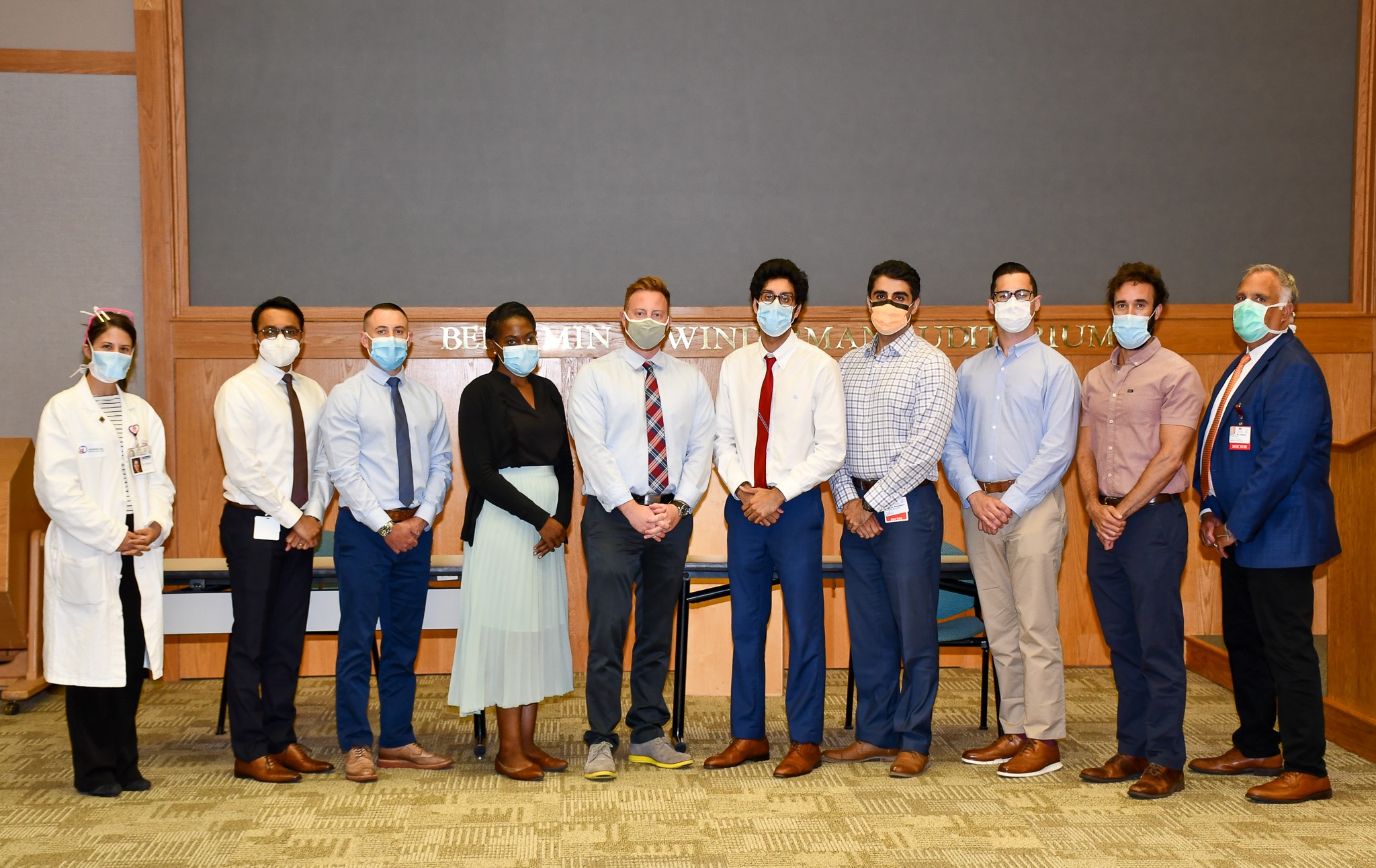
Deborah Heart and Lung Center announced a partnership with Sidney Kimmel Medical College at Thomas Jefferson University for its graduate fellowship training programs. Fellows work side-by-side with some of the most talented physicians in the country training in advanced cardiovascular techniques and leading-edge clinical trials.
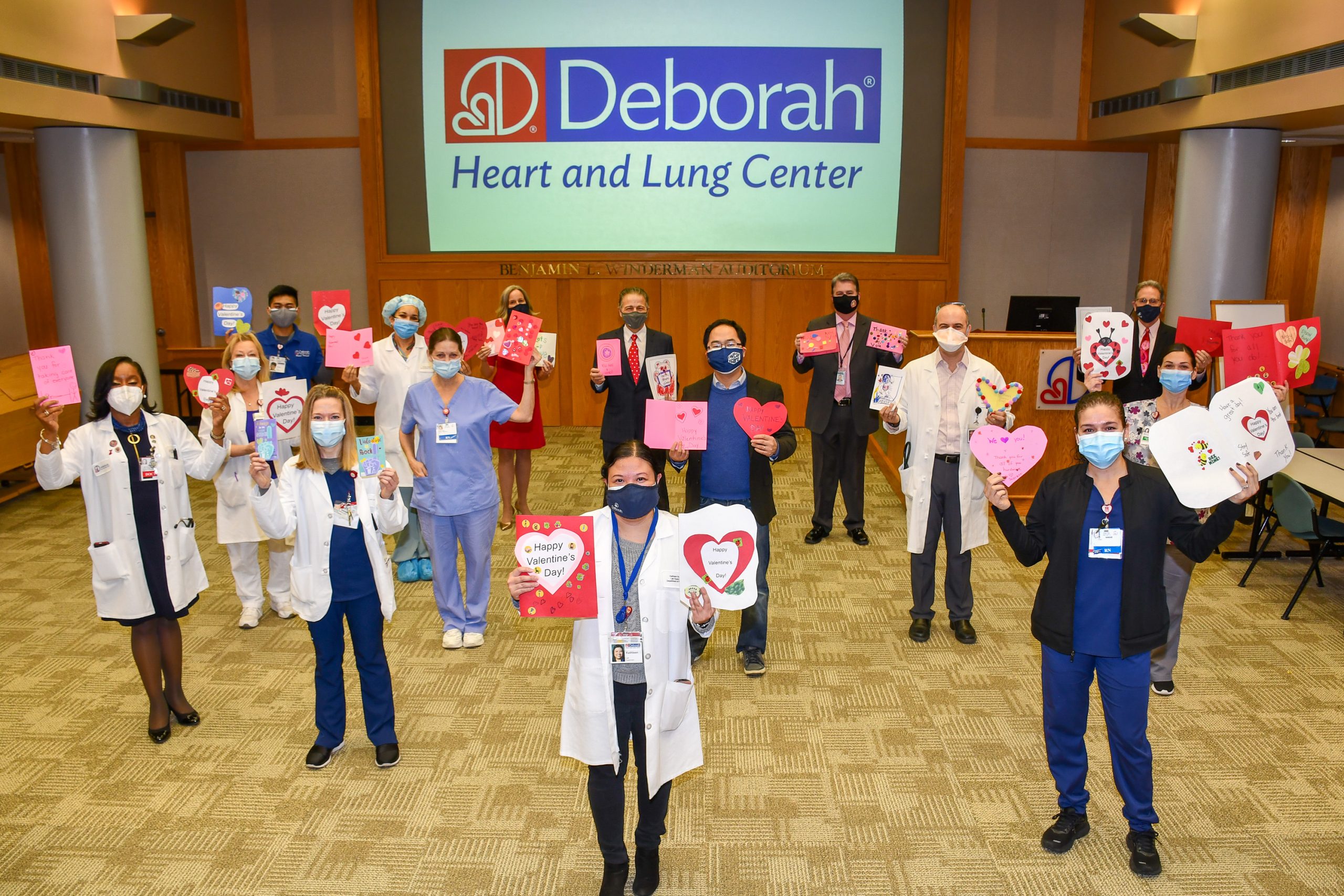
During Valentine’s Day weekend, Congressman Andy Kim teamed up with students from Pemberton School District in Burlington County and Brick School District in Ocean County to deliver Valentine’s Day cards to Deborah’s health care heroes.
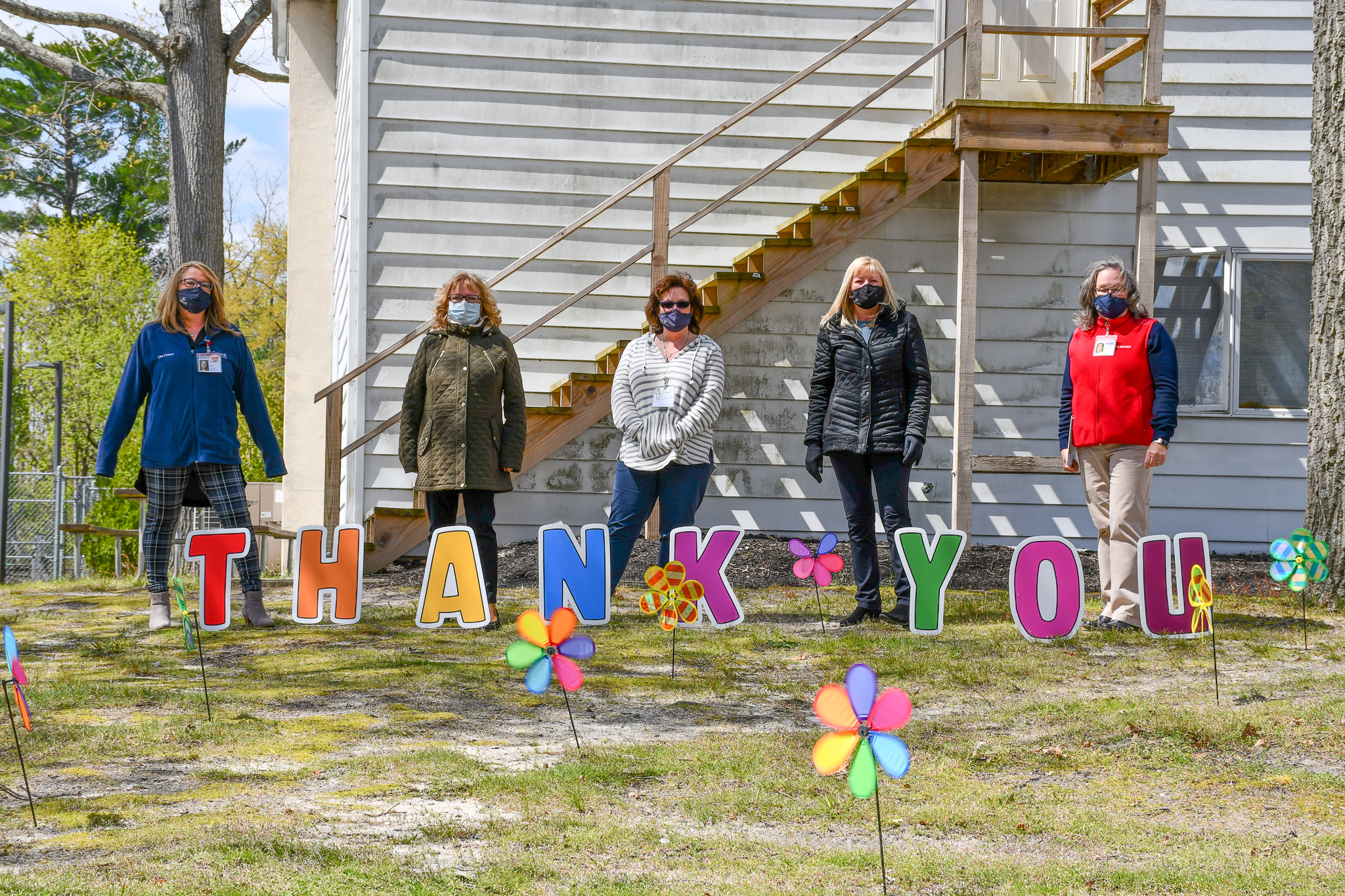
The team at Deborah pay tribute during National Volunteer Week to their devoted volunteers.
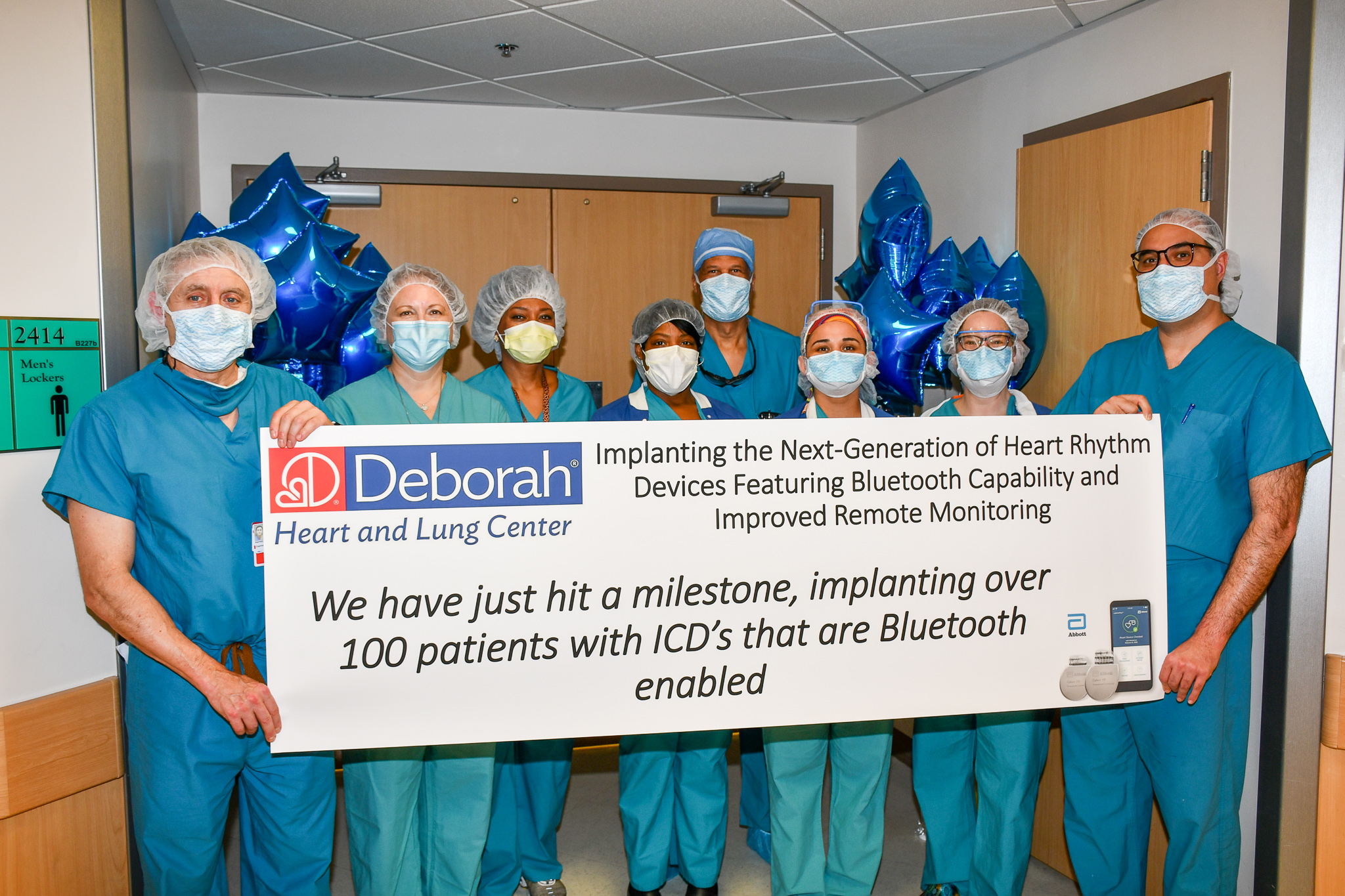
Deborah becomes the first hospital in the nation to implant 100 Bluetooth enabled defibrillators. The Abbott Gallant™ implantable cardioverter defibrillator (ICD) and cardiac resynchronization therapy defibrillator (CRT-D) devices pair with a smartphone app via Bluetooth, providing remote monitoring for patients with abnormal heart rhythms and heart failure.
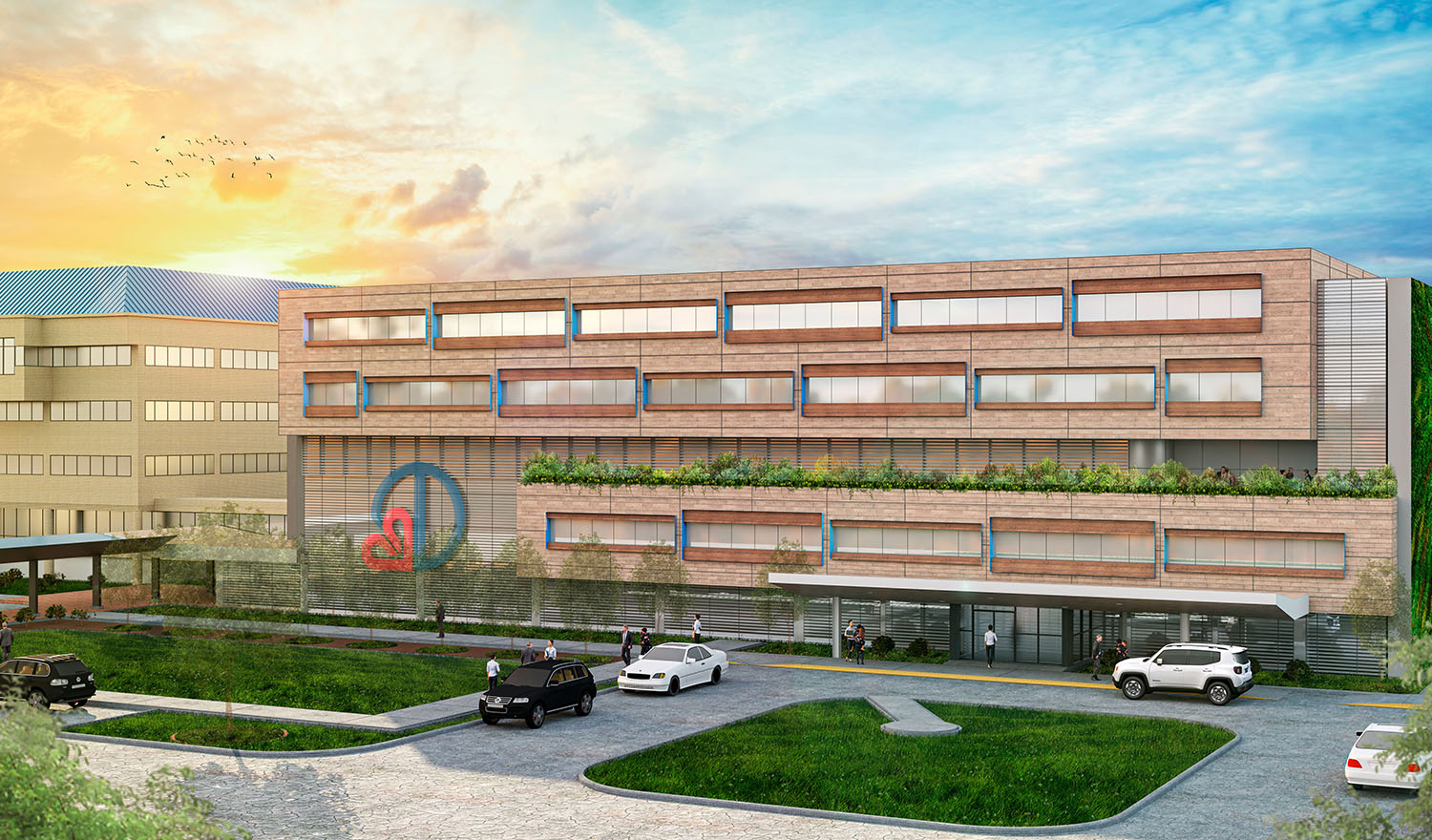
Deborah has embarked on a $100 million capital investment project. Aimed at improving the quality of care, privacy and comfort, consistent with the offerings of a world-class specialty hospital, the project will begin in 2022. This project will result in the addition of three new floors to the main building of the hospital, the renovation of patient rooms, bedside technology, and decentralized work stations for medical staff. There are also plans for a new cardiac catheterization lab, new electrophysiology lab, and a pharmacy cleanroom. Once completed, Deborah’s investment in new infrastructure, with state-of-the art technology, positions Deborah Heart and Lung Center to be a leader in care for the next 100 years.